
What methods were used to prevent fraud in weight measurement in ancient times?
Hi everyone,
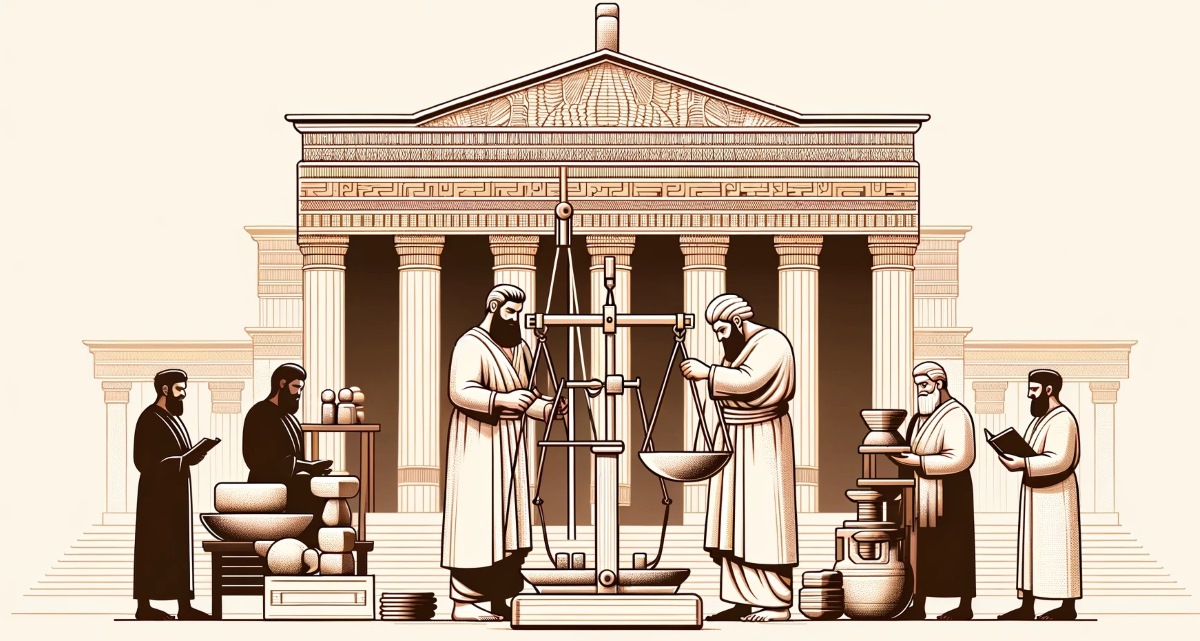
In ancient times, as trade and commerce began to expand across civilizations, ensuring the accuracy of weight measurements became crucial to prevent fraud and maintain fairness in transactions. Various methods and tools were developed across different cultures to tackle the challenges of fraudulent practices in weight measurement. Here’s a detailed exploration of the techniques used in ancient societies to ensure the integrity of weight measurements:
Standardization of Weights
Use of Official Weights
Civilizations like those in Mesopotamia, Egypt, and the Indus Valley created standardized weights from durable materials such as stone or metal. These weights were often kept and monitored by authorities to ensure they were not tampered with.
Government Oversight
In many societies, the government played a significant role in regulating weights and measures. For example, in ancient Rome, officials known as "aediles" were responsible for ensuring that merchants used correct weights and measures.
Public Access to Weighing Devices
Scales in Marketplaces
To facilitate fair trade, scales were commonly made available in central marketplaces where they could be monitored for accuracy and tampering. This visibility helped deter fraudulent activities by providing a neutral ground for weighing goods.
Inspection and Calibration
Regular inspections and calibration of public scales were conducted by designated officials. In ancient Egypt, for instance, the "Royal Cubit Master" was responsible for the standardization of measures and weights.
Seals and Markings
Official Stamping
Weights were often marked or stamped with official seals by authorities to indicate that they had been verified. In Mesopotamia, weights could have inscriptions of rulers or gods as a form of endorsement and divine protection against tampering.
Punitive Measures for Fraud
Severe penalties for using false weights were a deterrent. Historical records, including biblical and legal texts like the Code of Hammurabi, explicitly mention punishments ranging from fines to death for tampering with weights.
Religious and Ethical Injunctions
Moral and Religious Texts
Many cultures incorporated the fairness of weights and measures into their religious and moral teachings. For instance, in the Bible, dishonest scales are repeatedly condemned, reflecting the ethical importance of fair trade practices.
Oaths and Rituals
In some cultures, merchants were required to swear oaths to uphold the integrity of their weights and measures. This not only invoked a moral commitment but also a fear of divine retribution for dishonesty.
Community Oversight
Guilds and Trade Associations
In later periods, especially during the medieval era, guilds and trade associations played a crucial role in self-regulating their members to ensure fair practices, including accurate weight measurement.
Public Trials
Disputes over weights and measures could be settled in public trials, where evidence would be examined, and judgments made, often in a communal setting. This transparency helped maintain trust in the trading system.
Technological Innovations
Balance Scales
The invention and widespread use of balance scales allowed for more precise measurements and made it harder to manipulate weights subtly. The balance scale, which compares the mass of a known weight to that of the item being measured, inherently provides a physical check against fraud.
Complex Weights
Some cultures developed complex weights, such as nested weights or weights with hidden compartments, to check against simpler forms of tampering.
Through these methods, ancient societies developed comprehensive systems to combat weight measurement fraud, crucial for maintaining economic stability and fairness. These practices laid the groundwork for modern regulatory measures in trade and commerce.
Based on the questions you have asked us, we have attempted to discuss the topic of weight measurement and scales both socially and technically. Weight measurement has undoubtedly been one of the most important topics in known history. Throughout our lives, we are all involved in weight measurement in production, consumption, trade, art, sports, etc.
General Questions:
++ Weight standards
- What's the difference between mass and weight, and their measurement methods?
- How does gravity's acceleration affect an object's weight on different planets?
- What are the uses and accuracy factors of precision scales and balances in weight measurement?
- How does weight measurement help determine an object's density?
- How is an object's apparent weight underwater calculated and related to its actual weight?
Industrial Automation and Production:
- How is weight measurement and control integrated into industrial production, and its impact on efficiency?
- What role do automatic weight control systems play in quality control, and how do they improve product quality?
- How are weight sensors selected and configured in industrial automation, and their accuracy evaluated?
- What are the latest developments in weight measurement technologies for industrial automation?
- What software and tools are used for weight data analysis in industrial automation, and their impact on workflow?
For the General Public:
- How can I test the accuracy of home kitchen scales?
- Which bathroom scale is best for tracking body weight, and what are the differences between models?
- How can I accurately measure luggage weight for travel and comply with airline limits?
- What type of kitchen scale should I use for measuring food portion sizes for healthy eating?
- How can I determine if my children are at a healthy weight, and what methods should I use?
Historical
- Archimedes and "Eureka!
- What instruments were used for weight measurement in ancient times?
- What were the units of weight in ancient civilizations?
- How important was weight measurement in trade in ancient societies?
- How did the first scales for measuring weight work in ancient times?
- How were standards for weight measurement established in ancient times?
- What were some significant discoveries related to weight measurement in ancient history?
- What methods were used to prevent fraud in weight measurement in ancient times?
- What events can be considered turning points in the history of weight measurement?
- How were weight measurement units compared between different cultures in ancient times?
- What are some written sources about weight measurement in ancient history?
++ Weight measuring devices homepage
"These
questions often include those that may come to mind for many people
regarding 'Weight measurement.' Each user or student will
have their own specific questions depending on a particular situation or
application. The answers are not binding or entirely definitive. There is no objection to sharing our above article, citing it as a source. - Automation Mall Community, 02/2021"
 -
-
Your shopping cart is empty!