
What types of motors produce high torque?
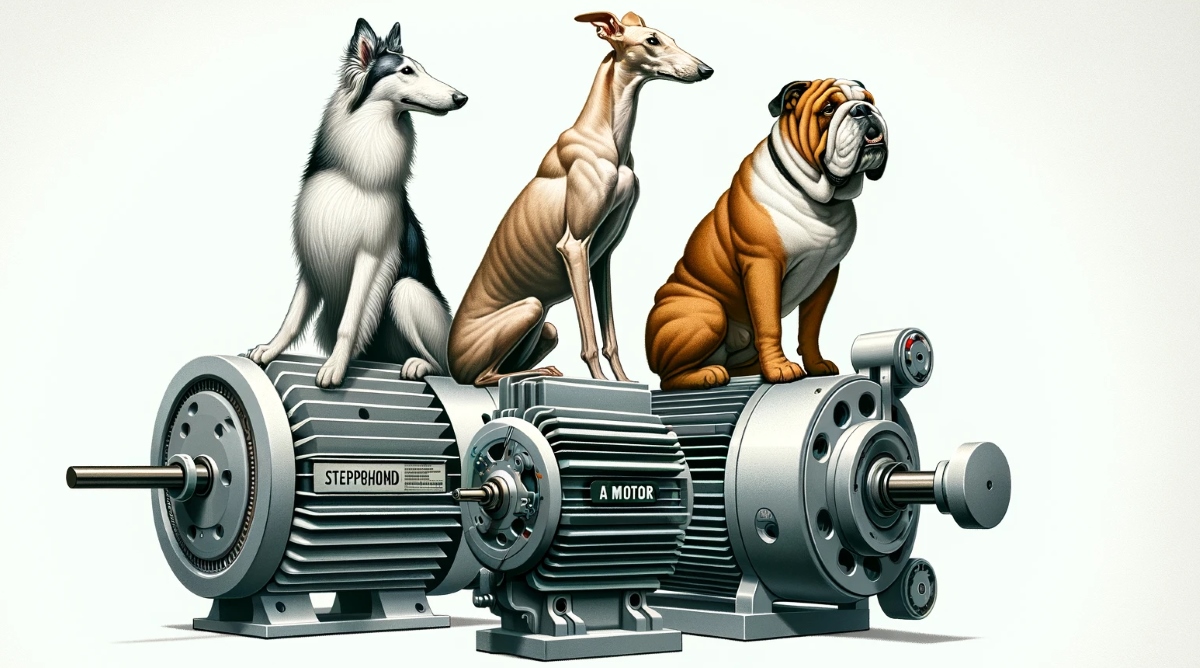
Hello esteemed colleagues,
Motors that produce high torque are generally designed for applications where a large amount of force is required at low speeds or to move a heavy load. Here are some types of motors known for high torque output:
DC Motors:
Series-Wound DC Motors: These have high starting torque and are often used in applications like winches and cranes.
Permanent Magnet (PM) DC Motors: High torque-to-size ratio, commonly used in various battery-powered or portable devices. (What is PM Motor?)
Compound-Wound DC Motors: These motors offer a compromise between series and shunt DC motors, providing high starting torque and stable operation. (What is dc motor? >)
AC Motors:
Squirrel-Cage Induction Motors: When specially designed, these can offer high torque, although starting torque may not be as high as some other types.
Wound Rotor Induction Motors: They offer high starting torque, provided by external resistance connected via slip rings.
Synchronous Motors: High-efficiency motors that can offer high torque, but they are generally not known for high starting torque. (more Ac motor >)
Specialized Motors:
Stepper Motors: Can offer high torque at low speeds, but generally not efficient for continuous operation in high-torque applications.
Servo Motors: Known for high torque-to-inertia ratios and fast response times, making them ideal for applications requiring fast and precise movement.
Brushless Motors:
Brushless (BDCL) DC Motors: These motors offer high efficiency and high torque in a smaller package but are generally more expensive. (What is BDCL Motor? >)
Switched Reluctance Motors: Known for high torque and high efficiency, especially at low speeds.
Gear Motors:
Planetary Gear Motors: The gearbox in these motors multiplies the torque provided by a standard motor, making them suitable for high-torque, low-speed applications. (What is Planetary Gear Reducers? )
Worm Gear Motors: Also known for high torque output and are commonly used in conveyor systems and lifts.
Hydraulic Motors:
These motors can produce very high torque and are often used in heavy machinery and industrial applications.
Pneumatic Motors:
Although not as common as other types, these can offer high torque at low speeds and are used in some specialized applications.
Choosing a high-torque motor depends on several factors including the specific torque requirements, the speed at which the torque is needed, and the operational conditions like temperature, duty cycle, and more.
"Torque and motors that produce torque are present in every aspect of our lives, whether in electrical or mechanical forms. We've tried to answer the most frequently asked questions about the torque capacities of electric motors below.
- What is the difference between torque and power?
- What are the units of torque?
- Why is torque important when selecting a motor?
- What advantages does a high-torque motor provide?
- What disadvantages does a low-torque motor bring?
- How is a balance between torque and speed achieved?
- What is the relationship between torque and horsepower in cars?
- Why do electric vehicles generally produce high torque?
- How can torque be increased?
- What is the effect of torque on mechanical systems?
- What is the relationship between torque and rotational speed?
- How are motors categorized based on their torque-producing capacity?
- What types of motors produce high torque?
- How is torque control achieved?
- What is a torque multiplier and how is it used?
- What problems can sudden torque increases cause?
- Is there a difference in torque between stepper motors and servo motors?
- What is the starting torque?
Your shopping cart is empty!