
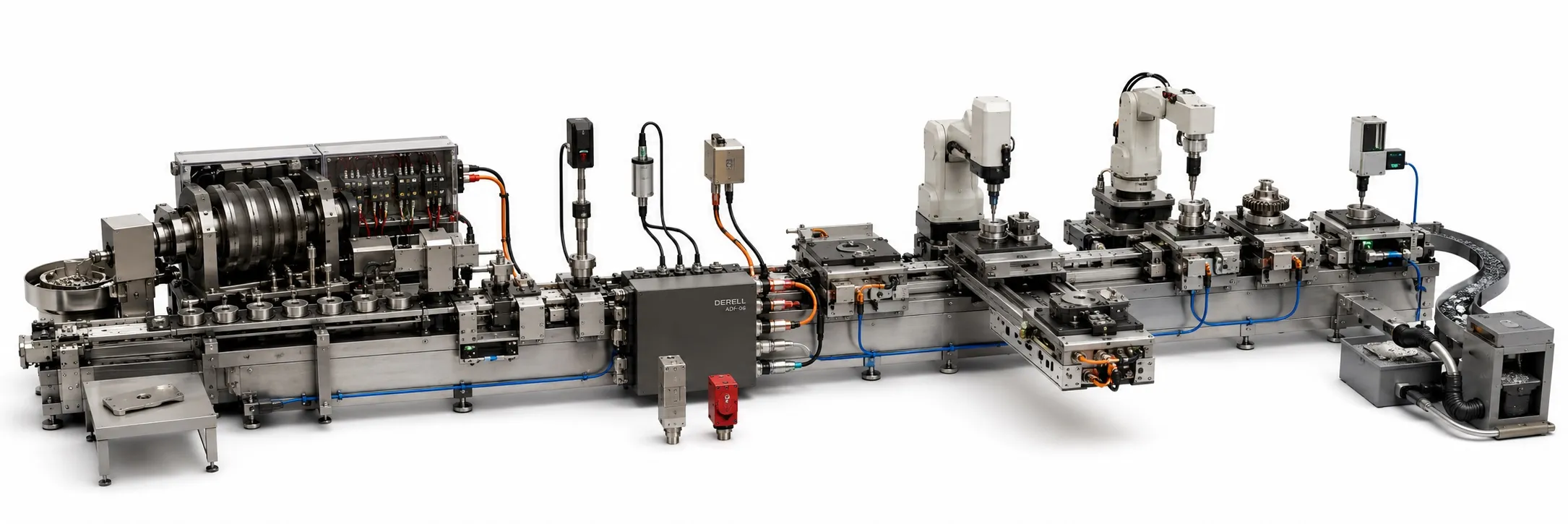
Building production systems that can adapt
A useful way to think about the next stage of automation is to ask what a factory struggles to change today. It may be a product changeover, a maintenance decision or a robot task that needs extensive reprogramming. Future investment should make those constraints easier to manage. The technology will evolve; its value will still depend on the production problem it solves.
Product variety will shape the equipment
Flexible manufacturing calls for equipment that can handle variation without lengthy setup work. In industrial robotics, improved perception and machine learning can help a robot recognise different parts or adapt a task. Yet a suitable gripper, consistent part presentation and acceptable cycle time remain essential. Software flexibility cannot compensate for a physical setup that cannot handle the product.
Humanoid robots offer possibilities in workplaces designed for people, but the pace of adoption is uncertain. Dependable performance over a full shift matters more than a polished demonstration. Their usefulness must be judged against task reliability, safety, energy consumption and maintenance costs.
Existing machines need usable data
A plant does not necessarily need to replace every machine to improve information flow. Where the equipment permits it, sensors and suitable interfaces can extend monitoring. The PLC still executes its control logic, while SCADA gives operators a view of operations. IoT connections can make selected records available to other business systems.
The important detail is what those records mean. OPC UA supports information modelling as well as data exchange. A reading needs a unit, a timestamp and an equipment identity before another application can interpret it sensibly. Consistent naming and context make information easier to reuse.
AI assistance will need evidence
AI and machine learning can help inspect images, detect unusual operating patterns and support decisions. When combining AI with automation, define exactly what the model is allowed to do. A recommendation is different from a validated control action or a safety function. The acceptance criteria must reflect the consequences of an error.
Natural-language tools may help draft code or explain alarms. A fluent explanation does not prove that a machine sequence is correct. I/O assignments, operating limits and fault handling still require engineering checks before commissioning.
Virtual trials and early warnings can support decisions
A digital twin synchronises a digital model with a physical system for a defined, validated purpose. For example, a team could assess whether a new line speed would create a bottleneck before trying it in production. The benefit for smart factories depends on comparison with real measurements. An animated 3D view alone does not establish a trustworthy model.
Maintenance can also benefit from operating history. A motor's changing vibration under comparable loads may justify an inspection. Edge computing can process measurements near the machine; cloud services can support analysis across sites. An early warning is not a guaranteed failure date. Load changes, sensor faults and mechanical deterioration need to be distinguished.
Connectivity must come with a recovery plan
Industrial cybersecurity belongs in the architecture from the outset. Define access rights, separate networks where appropriate and maintain recoverable backups. The site needs a clear response to lost connectivity and untrusted inputs. Remote access should be managed, and machine safety functions should not rely on an ordinary internet connection staying available.
Measure good output and resource use together
For sustainable manufacturing, useful measures include energy per good unit, scrap and idle running time. A higher production speed can be a poor result if it creates more rejects. Judge productivity and quality together. Comparisons also need similar products and operating conditions to show whether an upgrade has improved performance.
Skills will determine how much value reaches the floor
The workforce impact will depend on the tasks being automated and what the business does with the additional capacity. Troubleshooting and process improvement may become more prominent as some repetitive duties shrink. New roles do not automatically offer a transition for every affected employee. Budget for training and skills development, including the time people need to practise.
A practical Industry 4.0 adoption plan starts with one measurable loss and a limited pilot. The implementation plan should cover integration, licences, upkeep and recovery. Extend the project when the result is repeatable and the site can support it. There is no single timetable that every factory needs to follow.