
What is automation?
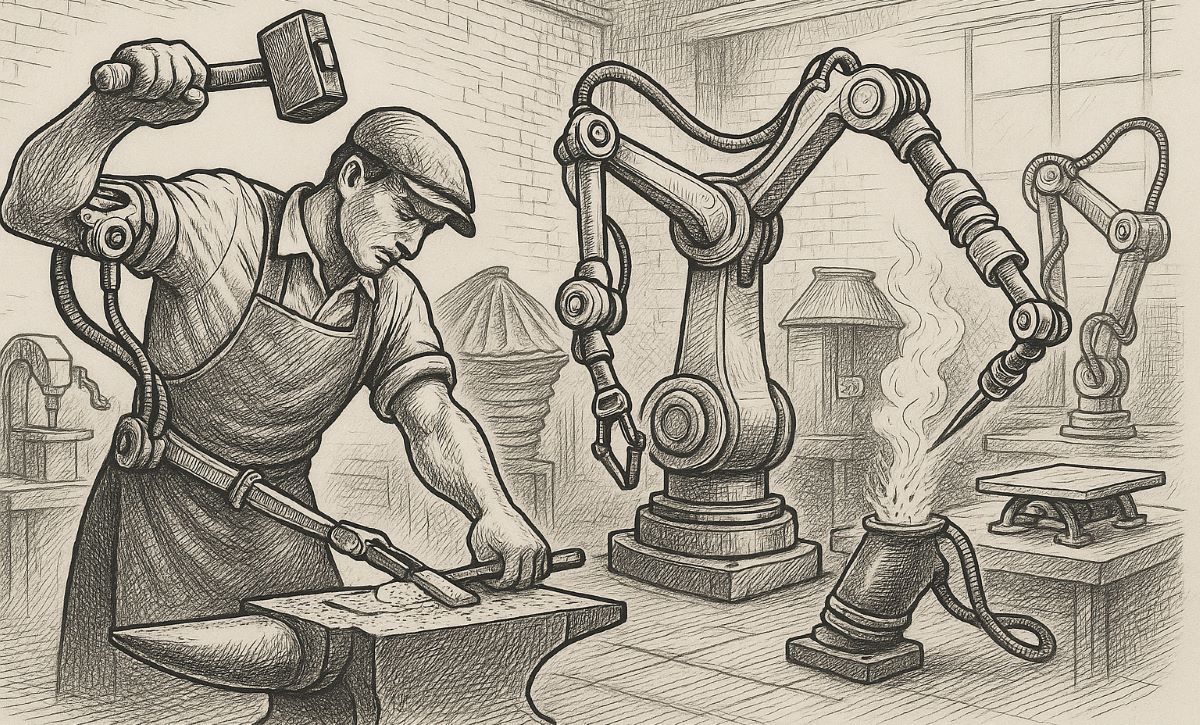
Industrial automation refers to the implementation of industrial production processes and systems using automatic control technologies, with little to no human intervention. These technologies are employed to increase the efficiency, quality, speed, and safety of production processes.
Industrial automation encompasses a wide range of technologies, including computers, programmable logic controllers (PLCs), robots, motors, sensors, and other control components. These components help monitor, manage, and optimize production processes.
The main advantages of industrial automation include:
Efficiency: Automated processes increase the efficiency of production processes by ensuring consistency and reducing human errors.
Quality: Automation systems provide more precise and repeatable results in production processes, thus increasing product quality and process accuracy.
Cost savings: Industrial automation systems reduce the total cost of production processes through decreased labor costs and increased production speed.
Safety: In hazardous or challenging working conditions, automation systems reduce the risks faced by workers and increase workplace safety.
Flexibility: Automation systems offer modular structures that can quickly and easily adapt to production processes and meet changing product demands.
Industrial automation has various application areas, from the manufacturing industry to energy production, food and beverage, pharmaceutical, chemical, and many more sectors. With advancing technology and the concept of Industry 4.0, industrial automation is continually reshaped through the integration of advanced technologies such as cyber-physical systems, artificial intelligence, and the Internet of Things (IoT).