
What is a carbon footprint?
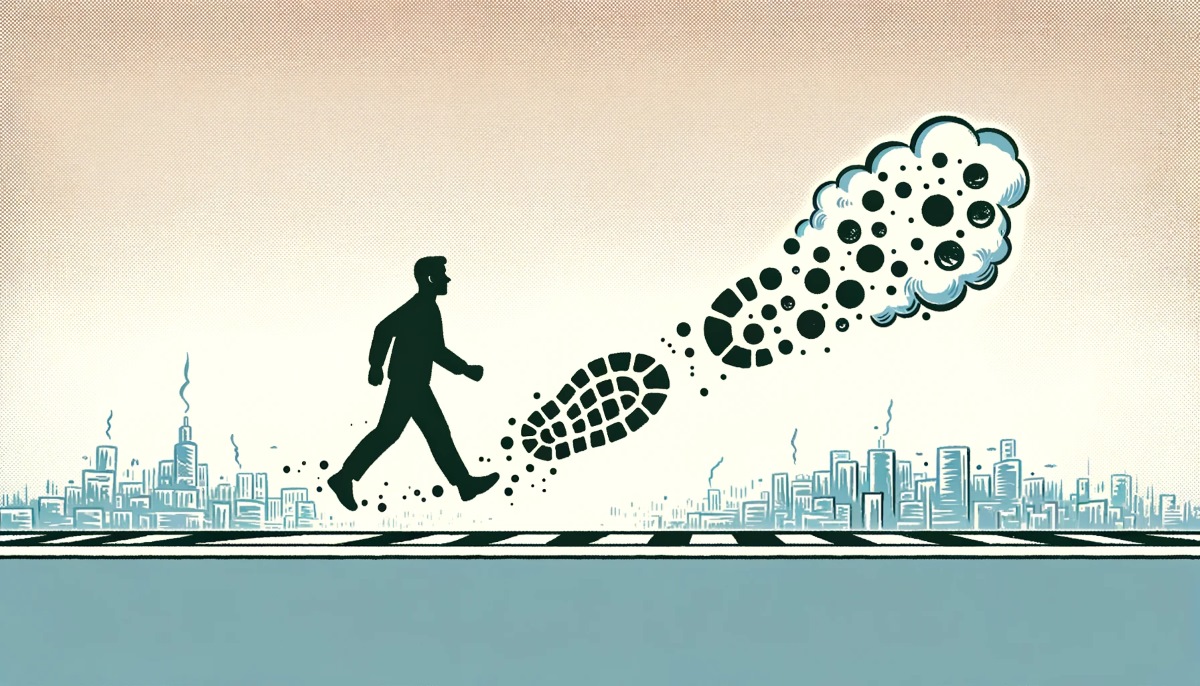
A carbon footprint is a measure of the direct and indirect carbon dioxide (CO2) and other greenhouse gas emissions released into the atmosphere by an individual, organization, or product. Carbon footprint is used to assess greenhouse gas emissions resulting from human activities that contribute to global warming and climate change. Here's more information on carbon footprints:
Why is it important? The significance of the carbon footprint lies in the fact that greenhouse gas emissions lead to rising global temperatures and climate change. Climate change can have adverse effects on agriculture, water resources, ecosystems, and even human health. By reducing our carbon footprint, we can contribute to slowing down the effects of climate change and working towards a sustainable future.
How is a carbon footprint calculated? A carbon footprint measures the total greenhouse gas emissions resulting from human activities such as burning fossil fuels, industrial processes, agriculture, forestry, and waste management. These emissions are typically measured in metric tons and expressed as carbon dioxide equivalents (CO2e).
Ways to reduce your carbon footprint: Individuals and organizations can reduce their carbon footprints by increasing energy efficiency, transitioning to renewable energy sources, reevaluating transportation and travel habits, using energy-saving devices, and adopting sustainable consumption and production methods.
Sustainability and carbon footprint: Sustainability means meeting the needs of the present generation without compromising the ability of future generations to meet their needs. By reducing our carbon footprint, we can help prevent the depletion of natural resources and combat climate change. This enables us to achieve sustainable development goals and support the continuity of life on Earth.
The main arguments of those who oppose carbon footprint reduction are usually as follows:
Economic concerns: Some people and companies believe that policies and regulations aimed at reducing greenhouse gas emissions can harm economic growth. Companies and workers in the fossil fuel sector, in particular, worry that regulations shifting energy production to renewable sources will lead to job losses and decreased profitability.
Scientific doubts: Some people question the scientific evidence that climate change is human-induced and that the carbon footprint is a significant factor. These individuals argue that global temperature changes can be explained by natural processes and that human-induced emissions are not significant.
Inequality and justice issues: Some people argue that carbon footprint reduction policies disproportionately impact low-income communities and developing countries. In particular, it is believed that wealthy countries historically have produced more greenhouse gas emissions and therefore should share the burden of reduction, while developing countries should not be deprived of their right to economic growth and development.
Political and ideological reasons: Some people approach the issues of climate change and carbon footprint with suspicion for political or ideological reasons. In particular, free-market advocates and some conservatives view environmental regulations and policies as government overreach and a restriction of individual freedoms.
In summary, the main arguments against carbon footprint reduction involve economic concerns, scientific doubts, inequality and justice issues, and political or ideological reasons. However, the widely accepted scientific view is that human-induced greenhouse gas emissions contribute significantly to global warming and climate change. Therefore, implementing policies and measures to reduce carbon footprints is crucial in the fight against climate change.
To reduce your carbon footprint, you can make your consumption, production, and lifestyle choices more sustainable and environmentally friendly. Here are some suggestions to help you reduce your carbon footprint:
Increase energy efficiency: By using energy-saving light bulbs and energy-efficient appliances, you can reduce energy consumption in your home and office. Additionally, you can improve energy efficiency by regularly maintaining heating and cooling systems and implementing energy-saving insulation solutions.
Use renewable energy: Investing in renewable energy sources such as solar panels or wind turbines can help meet your energy needs and reduce emissions from fossil fuels.
Review your transportation habits: You can reduce your carbon footprint by considering public transportation, biking, or walking for your commute. Additionally, purchasing more energy-efficient or electric vehicles, or improving your current vehicle's fuel efficiency, can reduce transportation emissions.
Adopt a more sustainable diet: Reducing consumption of meat and dairy products and opting for local, seasonal, and organic foods can help lower your carbon footprint.
Pay attention to waste management: By recycling and composting, you can reduce the amount of waste and the greenhouse gas emissions caused by waste. Also, avoiding single-use plastics and buying products with less packaging can reduce waste production.
Adopt sustainable consumption and production methods: By purchasing reusable products and choosing eco-labeled or sustainably certified products, you can support more sustainable consumption and production methods.
Reduce water usage: You can decrease water usage by making faucets and showerheads more water-efficient and being mindful of water consumption. Additionally, landscaping with native plants and using rainwater collection systems can reduce the need for garden irrigation.
Education and awareness: By getting educated on environmental issues and joining local initiatives and organizations to raise awareness in your community, you can contribute to reducing carbon footprints. Educating people on energy conservation, waste reduction, and sustainable living can help collectively lower carbon footprints.
Climate-friendly investments: By investing in energy and environmentally friendly technologies, green buildings, and sustainable projects or supporting such projects, you can contribute to reducing carbon footprints.
Decarbonization and offsetting: To offset your carbon emissions, you can purchase carbon credits or contribute to carbon offset projects (such as tree planting, energy efficiency projects, etc.) to reduce your carbon footprint.
All these suggestions can help you make your consumption, production, and lifestyle choices more sustainable and environmentally friendly, thus reducing your carbon footprint. Remember that the efforts of each individual and community can make a significant difference in the fight against global warming and climate change.
Your shopping cart is empty!