
what is industry 4.0?
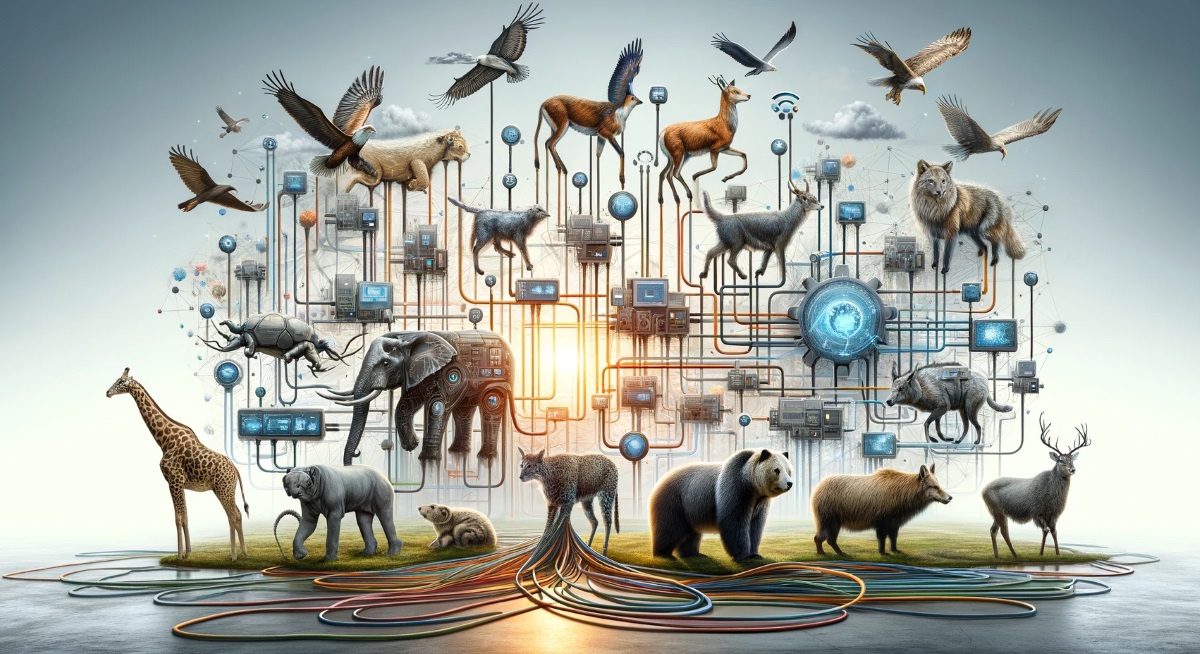
Industry 4.0 refers to the use of information and communication technologies (ICT) to increase the efficiency, flexibility, and productivity of machines, equipment, and processes by creating a seamless connection between them. In this process, "cyber-physical systems" that communicate with and provide information to each other are used. Industry 4.0 is also known as the "Fourth Industrial Revolution".
Industry 4.0 differs from previous industrial revolutions in that it has a structure that allows machines and equipment to communicate with each other. This allows for real-time data collection and sharing between machines and equipment and the implementation of automated decision-making processes based on the immediate evaluation of this data, making production processes more efficient and flexible.
Industry 4.0 also includes innovative technologies such as "cloud computing" and the "Internet of Things (IoT)". These technologies enable the creation of "smart factories" and other "smart systems" in which machines and equipment share data.
What is Industry 4.0 and its benefits?
Industry 4.0 refers to the use of information and communication technologies (ICT) to increase the efficiency, flexibility, and productivity of machines, equipment, and processes by creating a seamless connection between them. In this process, "cyber-physical systems" that communicate with and provide information to each other are used. Industry 4.0 is also known as the "Fourth Industrial Revolution".
Industry 4.0 differs from previous industrial revolutions in that it has a structure that allows machines and equipment to communicate with each other. This allows for real-time data collection and sharing between machines and equipment and the implementation of automated decision-making processes based on the immediate evaluation of this data, making production processes more efficient and flexible.
Benefits of Industry 4.0 include:
+ Increased efficiency: Industry 4.0 enables real-time data collection and sharing between machines and equipment, and the implementation of automated decision-making processes based on the immediate evaluation of this data, making production processes more efficient.
+ Increased flexibility: Industry 4.0 enables data sharing between machines and equipment, and the use of this data to make production processes more flexible. For example, production processes can be managed in real-time and quickly adapted to changes using the data from machines and equipment.
+ Increased productivity: Industry 4.0 enables data sharing between machines and equipment, and the use of this data to increase the productivity of production processes. For example, production processes can be more efficiently managed using the data from machines and equipment, and production capacity can be better utilized.
+ Reduced error rate: Industry 4.0 enables data sharing between machines and equipment, and the use of this data to reduce the error rate in production processes. For example, machine and equipment malfunctions can be detected in advance using the data from machines and equipment, reducing downtime.
+ Increased safety: Industry 4.0 enables data sharing between machines and equipment, and the use of this data to increase safety in production processes. For example, hazardous situations can be detected in advance using the data from machines and equipment, reducing the risk of accidents.
Where does Industry 4.0 come from?
Industry 4.0 is the fourth industrial revolution, following the First Industrial Revolution (steam engine and mechanization), the Second Industrial Revolution (electricity and mass production), and the Third Industrial Revolution (computers and automation).
The concept of Industry 4.0 was first introduced in Germany in 2011. It was developed by the German Federal Government as a strategy to increase competitiveness in the manufacturing sector by using information and communication technologies (ICT) to create a seamless connection between machines, equipment, and processes.
The term Industry 4.0 has since gained widespread use and has been adopted by other countries as a way to describe the use of ICT to increase the efficiency, flexibility, and productivity of manufacturing processes. Industry 4.0 technologies, such as the "Internet of Things (IoT)" and "cloud computing", enable the creation of "smart factories" and other "smart systems" in which machines and equipment share data and communicate with each other.
Industry 4.0 might seem like just a trend at first glance, but the reality is much more. Many products, both large and small, are now becoming compatible with Industry 4.0. Experts at the Automation Foundation have adopted two different approaches to this issue: Supporters and skeptics! Below, we have tried to find answers to your questions from both the perspectives of supporters and skeptics.
Questions about Industry 4.0:
- What is Industry 4.0 and what are its key components?
- What impact does Industry 4.0 have on production processes?
- Which technologies enable Industry 4.0?
- How will Industry 4.0 affect the labor market?
- What are smart factories and digital twins, and how do they work?
- What are the effects of Industry 4.0 on global competition?
- What are the sustainability and environmental impacts of Industry 4.0?
- How are data analytics and artificial intelligence used in Industry 4.0?
- What is the impact of Industry 4.0 on security and privacy issues?
- What steps should be taken to adopt Industry 4.0?
- Which sectors will be most affected by Industry 4.0?
- What are the educational and skill requirements of Industry 4.0?
- What role does the Internet of Things (IoT) play in Industry 4.0?
- How will Industry 4.0 change supply chain management?
- What are the impacts and opportunities of Industry 4.0 for SMEs?
Critical Questions about Industry 4.0:
- Is Industry 4.0 really a revolution or just a marketing strategy?
- Why are the standards and definitions of Industry 4.0 not clear?
- Do the technological innovations brought by Industry 4.0 justify the costs and risks?
- Can smart factories and automation lead to social problems by increasing unemployment rates?
- Are sufficient measures being taken for security and privacy issues in Industry 4.0?
- Can small and medium-sized enterprises (SMEs) face challenges in adopting Industry 4.0?
- Are the sustainability promises of Industry 4.0 realistic, or are environmental impacts being ignored?
- Do the innovations brought by Industry 4.0 really make a difference in meeting consumer demands?
- How will technological advancements affect the skill sets and job security of workers?
- Can Industry 4.0 truly make supply chain management more efficient and transparent?
- Are the impacts of Industry 4.0 on international competition fair and balanced?
- Can artificial intelligence and automation reduce the human factor and creativity in the industry?
- How will the changes brought by Industry 4.0 affect employee job satisfaction and motivation?
- What criteria should be used to measure the success of Industry 4.0 projects?
- Do the innovations brought by Industry 4.0 really provide a competitive advantage, or do they just lead to an increase in costs?
* These questions generally include the ones that may come to mind for many people regarding the " Industry 4.0" topic. Each user or student will have their specific questions depending on a particular situation or application. The answers are not binding and do not express absolute certainty. "There is no objection to sharing our article above, citing it as a source". Automation Foundation 03.2022
 -
-Refine Search
- Are sufficient measures being taken for security and privacy issues in Industry 4.0?
- Are the impacts of Industry 4.0 on international competition fair and balanced?
- Are the sustainability promises of Industry 4.0 realistic, or are environmental impacts being ignored?
- Can artificial intelligence and automation reduce the human factor and creativity in the industry?
- Can Industry 4.0 truly make supply chain management more efficient and transparent?
- Can small and medium-sized enterprises (SMEs) face challenges in adopting Industry 4.0?
- Can smart factories and automation lead to social problems by increasing unemployment rates?
- Do the innovations brought by Industry 4.0 really make a difference in meeting consumer demands?
- Do the innovations brought by Industry 4.0 really provide a competitive advantage, or do they just lead to an increase in costs?
- Do the technological innovations brought by Industry 4.0 justify the costs and risks?
- How are data analytics and artificial intelligence used in Industry 4.0?
- How does Industry 4.0 determine the work motivation of employees?
- How will Industry 4.0 affect the labor market?
- How will Industry 4.0 change supply chain management?
- How will technological advancements affect the skill sets and job security of workers?
- Industry 4.0 vs ioT
- Is Industry 4.0 really a revolution or just a marketing strategy?
- What are smart factories and digital twins, and how do they work?
- What are the educational and skill requirements of Industry 4.0?
- What are the effects of Industry 4.0 on global competition?
- What are the impacts and opportunities of Industry 4.0 for SMEs?
- What are the sustainability and environmental impacts of Industry 4.0?
- What criteria should be used to measure the success of Industry 4.0 projects?
- What impact does Industry 4.0 have on production processes?
- What is Industry 4.0 and what are its key components?
- What is the impact of Industry 4.0 on security and privacy issues?
- What role does the Internet of Things (IoT) play in Industry 4.0?
- What steps should be taken to adopt Industry 4.0?
- Which sectors will be most affected by Industry 4.0?
- Which technologies enable Industry 4.0?
- Why are the standards and definitions of Industry 4.0 not clear?