
types of stepper motors?
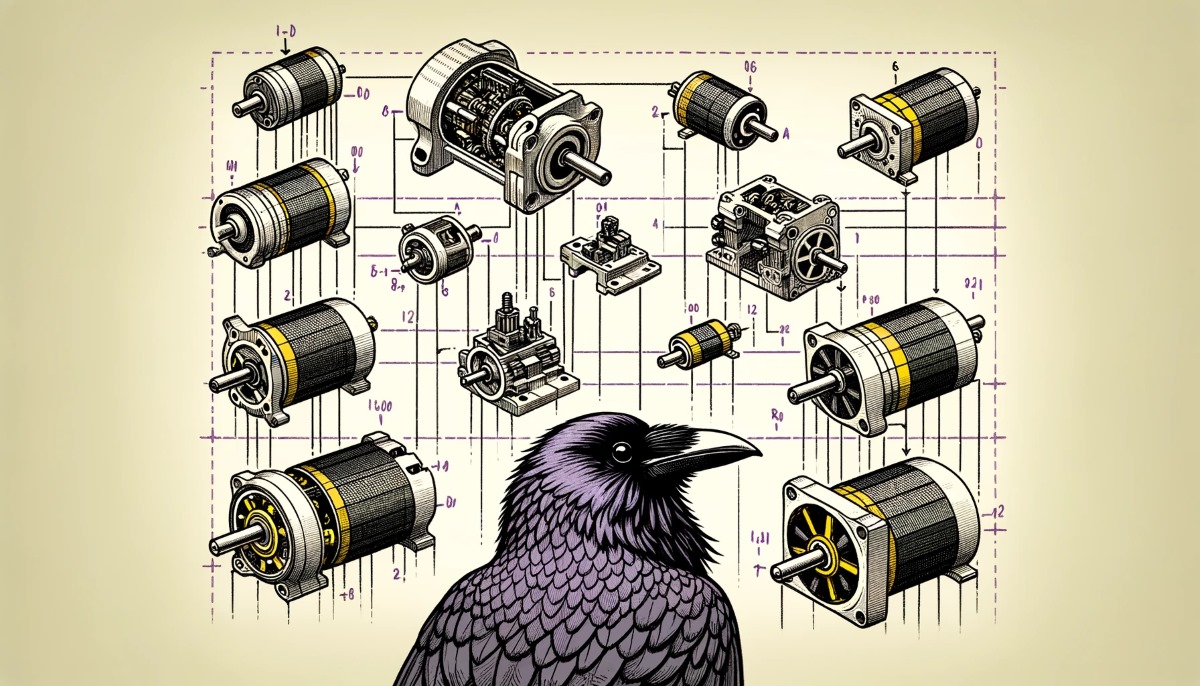
There are various types of stepper motors, categorized based on their working principles and structures. Here are the most common types of stepper motors:
Bipolar Stepper Motors: These motors offer high torque and precision due to their two-phase structure. Bipolar motors use a two-wire coil for each phase, and the polarity is reversed by the driver to switch the motor's direction. Although these motors require more complex driver circuits, they are generally preferred for high-performance applications.
Unipolar Stepper Motors: These motors provide simpler control with their four or six-wire structure. Unipolar motors use two center-tapped coils for each phase and work by supplying current through only one coil at a time. These motors require simpler driver circuits but offer lower torque and precision compared to bipolar motors.
Hybrid Stepper Motors: Hybrid stepper motors combine the features of bipolar and unipolar motors, providing higher torque and precision. These motors use multiple coils with teethed structures on both the rotor and stator. Hybrid motors are generally more expensive but suitable for high-performance applications.
Low-Angle Stepper Motors: These motors provide more precise movements by offering higher angular resolution. Low-angle stepper motors operate with a higher number of steps and smaller step angles, making them ideal for applications that require precise positioning.
Variable Reluctance Stepper Motors: These motors offer different step angles and torque values by changing the number of magnetic poles between the rotor and stator. Variable reluctance motors are used to adapt to different operating conditions and are generally preferred for specialized applications.
Stepper motors and operated systems have become indispensable control devices for industrial machines. Stepper drivers and motors of different brands and models, large and small, are widely used in many machines. Below we tried to answer the results from you in an organized way.
- When buying a stepper motor and driver
- Servo motor vs Step motor
- Step motor - drive prices
- What is step motor?
- What is the working principle of a stepper motor?
- What are the advantages and disadvantages of stepper motors?
- How is the resolution of a stepper motor calculated?
- How does torque affect a stepper motor?
- What are the different driving modes of stepper motors?
- In which applications are stepper motors preferred?
- What are the working principles of stepper motor drivers?
- What signals are required for the control of stepper motors?
- How is the supply voltage for stepper motors selected?
- How is heat management done in stepper motors?
- How are maintenance and repair of stepper motors performed?
- What are common problems encountered in stepper motor systems?
- How is speed and position control achieved in stepper motors?
- What are the gear mechanisms used in stepper motors?
- What are the fundamental differences between stepper motors and servo motors?
* These questions generally include the ones that may come to mind for many people regarding the "Stepper control systems" topic. Each user or student will have their specific questions depending on a particular situation or application. The answers are not binding and do not express absolute certainty. There is no objection to sharing our article above, citing it as a source. 03.2022

Your shopping cart is empty!