
How is Ethernet/IP configured?
Hi everybody,
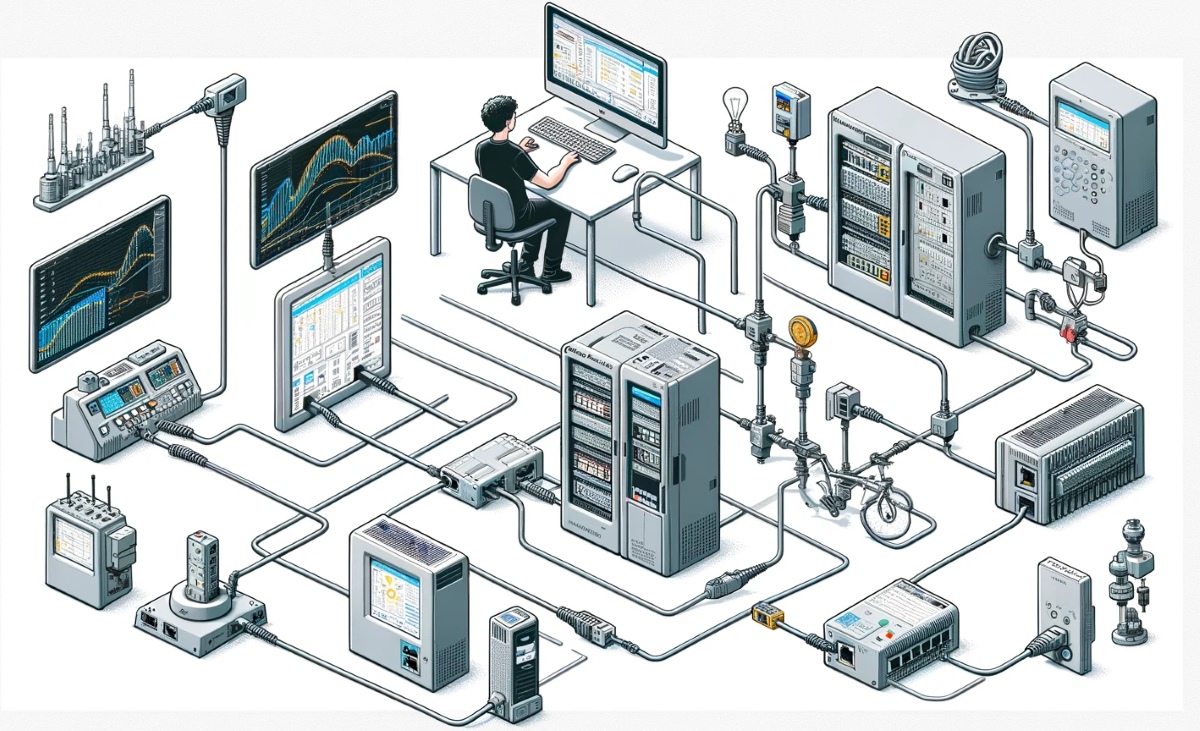
Ethernet/IP (Ethernet Industrial Protocol) configuration encompasses several aspects to ensure smooth communication between devices and systems in industrial environments. Here's a step-by-step guide to configuring Ethernet/IP:
1. Physical Setup:
Network Infrastructure: Set up the physical Ethernet infrastructure, including switches, routers, and cabling. Ensure that the infrastructure supports the required data rates and can handle the expected traffic.
Device Connection: Connect all devices, including PLCs, HMIs, sensors, actuators, and other Ethernet/IP-compatible devices to the network.
2. IP Address Configuration:
Assign IP addresses to each device on the network. This can be done manually or using DHCP (Dynamic Host Configuration Protocol). Ensure there are no IP address conflicts.
3. Subnet and Gateway Configuration:
Define the subnet mask for the network segment. This helps in segregating traffic and organizing devices.
If routing is required, configure the default gateway for devices to communicate outside their local network.
4. Device-Specific Configuration:
Using device-specific software or web interfaces, configure device-specific parameters. For example, a Variable Frequency Drive (VFD) on Ethernet/IP may require speed settings, acceleration/deceleration rates, and other parameters.
5. Data Exchange Configuration:
Define how data will be exchanged between devices. Ethernet/IP supports both explicit messaging (request-reply type communication) and implicit messaging (real-time I/O data exchange).
Define the data size, data type, and RPI (Requested Packet Interval) for cyclic data exchange.
6. Security Settings:
Configure firewalls to protect the Ethernet/IP network from external threats.
Implement VLANs (Virtual Local Area Networks) if required, to segregate traffic and improve security.
Set up user access controls, especially for devices that allow remote configuration or monitoring.
7. Integration with Other Systems:
If integration with other industrial protocols or enterprise systems is needed, configure the necessary gateways or middleware.
8. Diagnostics and Monitoring:
Enable diagnostic features on devices to monitor network health, device status, and communication errors.
Set up network monitoring tools to keep an eye on network traffic, bandwidth usage, and potential issues.
9. Backup Configuration:
Once the network is fully configured and tested, backup the configurations of all devices. This ensures a faster recovery in case of device failures or other issues.
10. Regular Maintenance:
Periodically check for firmware and software updates for devices on the Ethernet/IP network. Keeping devices updated can enhance features, fix bugs, and patch security vulnerabilities.
Configuration of Ethernet/IP might seem complex due to the myriad of devices and requirements in industrial settings. However, with a systematic approach and the right tools, it can be efficiently set up to ensure reliable, real-time communication in industrial environments.
"Platforms established on an Ethernet and Ethernet/IP (TCP) foundation have become increasingly popular in many sectors of industry. This technology, which is both practical and offers time/place savings, has evolved and branched out over time and has been embedded in third-party platforms as well. Below, we have tried to answer some of the main questions we received from our valued visitors about Ethernet/IP (TCP)."
- How does the Ethernet/IP protocol work?
- What are the differences between Ethernet/IP and standard Ethernet?
- What are the advantages and disadvantages of Ethernet/IP?
- In which application areas is Ethernet/IP used?
- What security features does Ethernet/IP have?
- With which devices and systems can Ethernet/IP communicate?
- What is the history of Ethernet/IP?
- How is Ethernet/IP configured?
- What software and tools are available for Ethernet/IP?
- What are the differences between Ethernet/IP and Modbus TCP?
- What is known about the bandwidth and latency of Ethernet/IP?
- Which port number is used for the Ethernet/IP protocol?
- Where does Ethernet/IP fit in the OSI model?
- What certifications and standards are applicable to Ethernet/IP?
- How is Ethernet/IP used in industrial automation?
- With which programming languages can development be done for Ethernet/IP?
- What is the potential and future developments for Ethernet/IP?
- How is diagnostic and fault detection performed on Ethernet/IP?
- Which cables and connectors are used at the physical layer for Ethernet/IP?
- What specific security measures exist for Ethernet/IP?
+ Back to Automation main page
Your shopping cart is empty!