
What disadvantages does a low-torque motor bring?
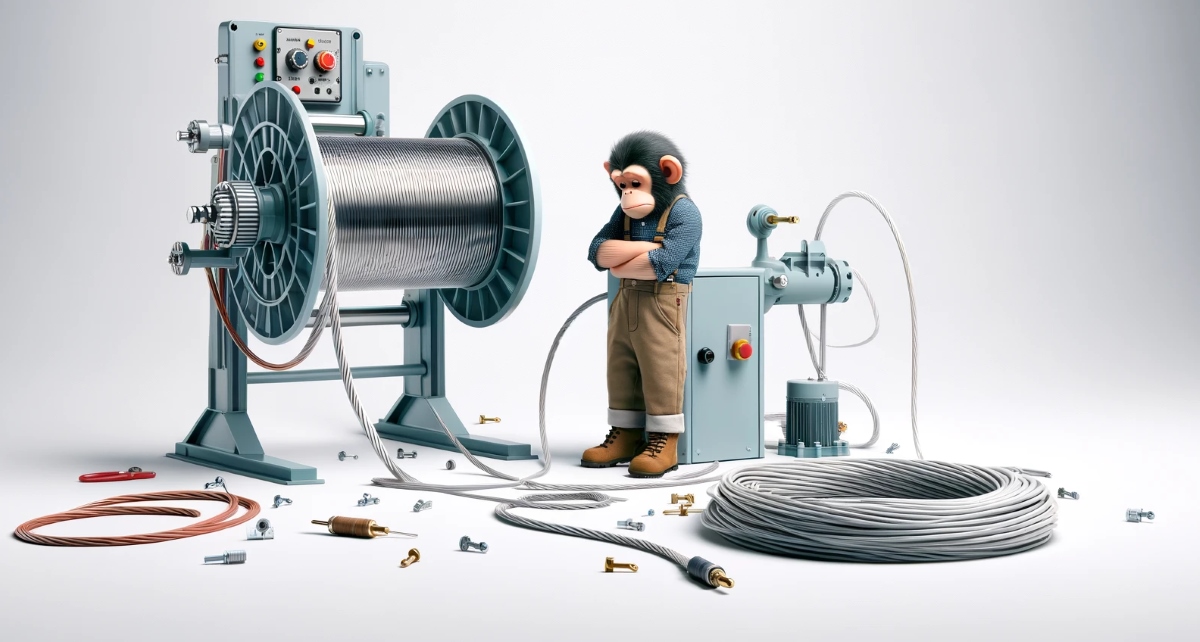
Hello esteemed colleagues,
Low-torque motors may have several disadvantages depending on the specific application:
1. Limited Start-up and Acceleration:
Low-torque motors may struggle to provide enough initial force to move heavy loads or start systems that require a strong initial push. This can be problematic in applications such as elevators, heavy machinery, or electric vehicles.
2. Reduced Load Capacity:
Low-torque motors may not be suitable for moving or lifting heavy loads, which limits their applicability in industrial or heavy-duty settings.
3. Less Control at Low Speeds:
Precision applications like robotics or CNC machines may require high torque at low speeds for better control. Low-torque motors might not offer the same level of precision.
4. Additional Gearing:
Since low-torque motors can't produce the required force directly, additional gearing or mechanical systems may be needed to amplify the output, making the system more complex and potentially less reliable.
5. Efficiency Concerns:
Running a low-torque motor at its limit to meet the demands of a high-torque application can lead to inefficiencies, higher energy costs, and even a shorter motor lifespan due to stress and overheating.
6. Reduced Versatility:
Low-torque motors are less versatile and may not be suitable for a broad range of applications, limiting their usefulness.
7. May Require Oversizing:
To compensate for low torque, a larger motor may be required, which can increase the cost and size of the entire system.
8. Performance Limitations:
In applications where quick response or high-speed changes are necessary, low-torque motors might not be able to meet those performance criteria.
9. Increased Wear and Tear:
Operating at high speeds to produce the same work as a high-torque motor could result in increased wear and tear, leading to more frequent maintenance and reduced reliability.
10. Safety Risks:
If a low-torque motor is used in an application requiring high torque, it could fail to perform adequately, creating safety hazards, especially in critical applications like healthcare or transportation.
Understanding the torque requirements of your application is crucial for selecting the right motor. A low-torque motor is not universally bad but could be ill-suited for specific high-torque needs.
"Torque and motors that produce torque are present in every aspect of our lives, whether in electrical or mechanical forms. We've tried to answer the most frequently asked questions about the torque capacities of electric motors below.
- What is the difference between torque and power?
- What are the units of torque?
- Why is torque important when selecting a motor?
- What advantages does a high-torque motor provide?
- What disadvantages does a low-torque motor bring?
- How is a balance between torque and speed achieved?
- What is the relationship between torque and horsepower in cars?
- Why do electric vehicles generally produce high torque?
- How can torque be increased?
- What is the effect of torque on mechanical systems?
- What is the relationship between torque and rotational speed?
- How are motors categorized based on their torque-producing capacity?
- What types of motors produce high torque?
- How is torque control achieved?
- What is a torque multiplier and how is it used?
- What problems can sudden torque increases cause?
- Is there a difference in torque between stepper motors and servo motors?
- What is the starting torque?
Your shopping cart is empty!