
What is the future of robotics?
Hi dear visitor,
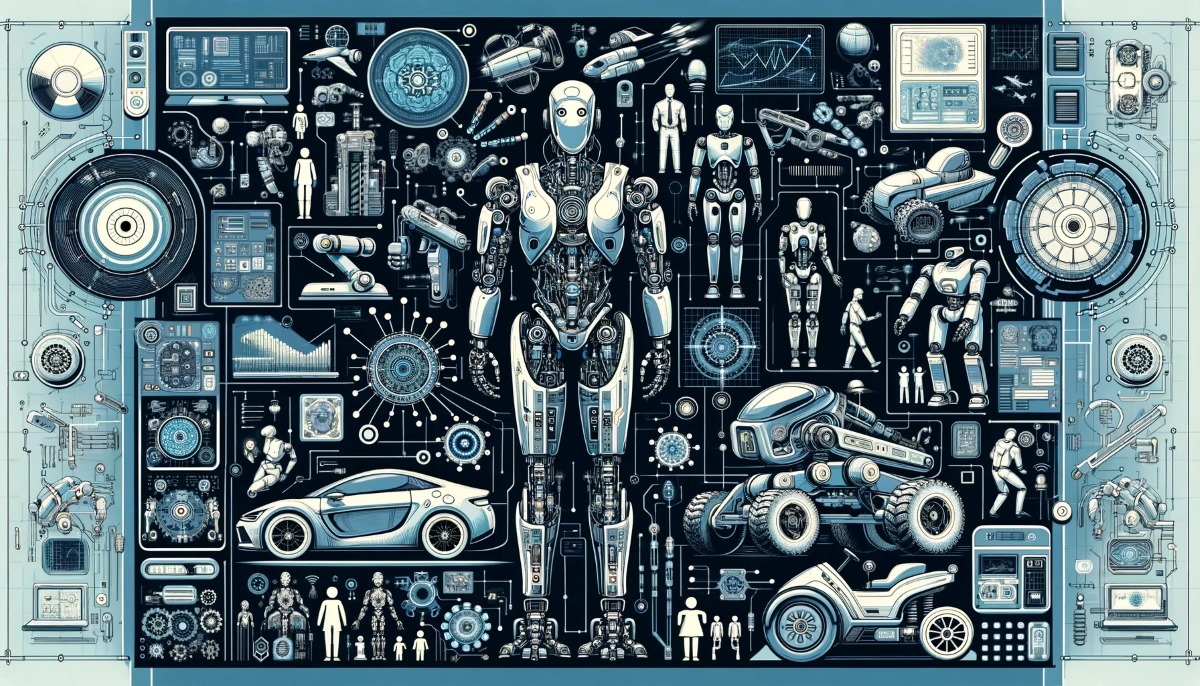
The future of robotics is highly promising and diverse, and it's poised to make significant impacts across various fields. Here are some trends and predictions:
Advanced AI Integration: As AI continues to advance, robots will become more intelligent and autonomous. They'll be able to learn from their environments, make complex decisions, and perform tasks with a level of skill and precision that matches or surpasses human capabilities.
Increased Use in Daily Life: We can expect to see more robots in our everyday lives. This could include personal assistant robots in homes, delivery robots, and more interactive toys and entertainment robots.
Robotic Process Automation (RPA): RPA is already being used to automate repetitive tasks in industries like finance and human resources. In the future, we can expect this to expand to more industries and tasks.
Humanoid Robots: Although the creation of truly humanoid robots - robots that not only look like humans but can mimic human behavior and cognition - is a daunting task, significant strides are being made in this field. We may see more humanoid robots being used in roles that require human interaction, such as caregiving and customer service.
Robotic Surgery and Healthcare: Robotic surgical systems will continue to improve, potentially leading to more precise and less invasive procedures. We might also see an increase in the use of robots in other areas of healthcare, such as patient care and rehabilitation.
Cobots (Collaborative Robots): Cobots are designed to work alongside humans, and their use is likely to increase, particularly in manufacturing. They can take on dangerous or repetitive tasks, freeing humans to perform more complex tasks.
Space and Underwater Exploration: Robots will continue to play a critical role in exploring environments that are inhospitable to humans, including space and the deep sea.
Ethical and Legal Debates: As robots become more integrated into society and their capabilities expand, expect to see increased ethical and legal debates around their use.
Remember, while these trends are exciting, they also present significant challenges and considerations, particularly regarding job displacement, privacy, and security. As with any technological advancement, it's critical that the development and use of robots is guided by careful thought about potential implications.
- Other questions from our visitors about Robotics control systems are as follows.
- What is the definition of robotics?
- What are the main components of a robot?
- What is the difference between a robot and a machine?
- How are robots used in various industries?
- What are the different types of robots?
- What is the role of programming in robotics?
- What is the impact of robotics on employment and the economy?
- What are the ethical considerations in robotics?
- How does Artificial Intelligence (AI) relate to robotics?
- What are some common applications of robotics in daily life?
- How are robots used in medicine and healthcare?
- How are robots used in space exploration?
- What is the role of robotics in autonomous vehicles?
- What are the limitations and challenges in current robotics technology?
- What is the future of robotics?
- How do sensors and actuators function in robotics?
- How does machine learning apply to robotics?
- What are some safety considerations in robotics?
- Movies and TV shows with robots?
+ Back to Automation main page -
These questions often include those that many people may have in mind about robotic. Each user or student will have their specific questions depending on a particular situation or application. The answers are not binding or entirely definitive. "You are welcome to share the article above, as long as you provide the appropriate attribution.02/2020"Your shopping cart is empty!