
Choosing the Right Servo Motor and Driver
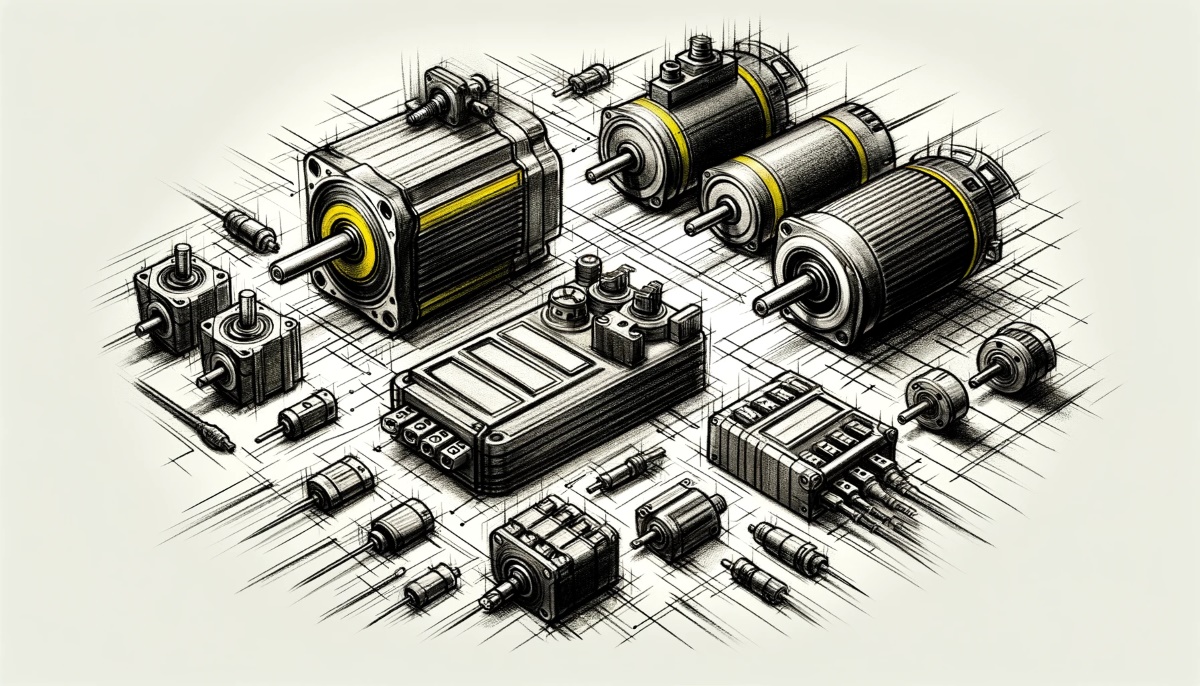
Choosing the Right Servo Motor and Driver:
Selecting the right servo motor and driver is crucial for an automation system or robotic application. To choose the ideal servo motor and driver, consider the following factors:
+ Load type and capacity: First, determine the load type and capacity of your application. The load could be a moving part, robot arm, or other moving components. Taking into account the weight and size of the load, determine the correct torque and speed requirements.
+ Speed and acceleration requirements: Identify the maximum and minimum speed requirements for your application. Additionally, consider how quickly it needs to accelerate and decelerate.
+ Torque requirements: Calculate the torque that the servo motor needs to provide. This should take into account factors such as the weight of the moving load, the angle of motion, and the way the motor is mounted. The correct torque ensures efficient operation and extends motor life.
+ Accuracy and repeatability: Determine the accuracy and repeatability requirements of your application. This is typically important for positioning errors and situations where motion is limited. The right motor and driver selection can help meet these requirements, improving product quality and efficiency.
+ Motor type: Servo motors are generally divided into two main categories: AC and DC. AC servo motors are usually suitable for applications with higher speed and torque requirements, while DC servo motors may be more appropriate for applications with lower power requirements.
+ Driver compatibility: Ensure that the servo motor you choose is compatible with the driver. The driver provides speed, torque, and position control for the motor, so choosing the right driver is important.
+ Feedback system: Servo motors require a feedback system for accurate position and speed control. These systems typically use devices such as encoders or resolvers. Feedback system selection should be based on the accuracy and repeatability requirements of your application.
+ Price and quality: When comparing prices for servo motors and drivers, do not focus solely on low-cost options. Quality and reliability are also important. A cheap and low-quality motor and driver can lead to more problems and costs in the long run. Try to find an affordable and high-quality product by considering the reputation of the manufacturer and brand.
+ Environmental conditions: Consider the environment in which your application will operate. When choosing a servo motor and driver that will work under the influence of challenging conditions such as high temperature, humidity, dust, or dirt, it is important that they are resistant to these conditions.
+ Service and support: Evaluate the technical support and service offerings from the motor and driver manufacturer. This is especially important for spare parts supply, maintenance, and repair services.
By considering all these factors, choosing the right servo motor and driver optimizes the performance and reliability of your application and ensures lower maintenance costs and operational continuity in the long term.
Your shopping cart is empty!