
In which countries is nuclear energy common?
Hello inquisitive and curious friends,
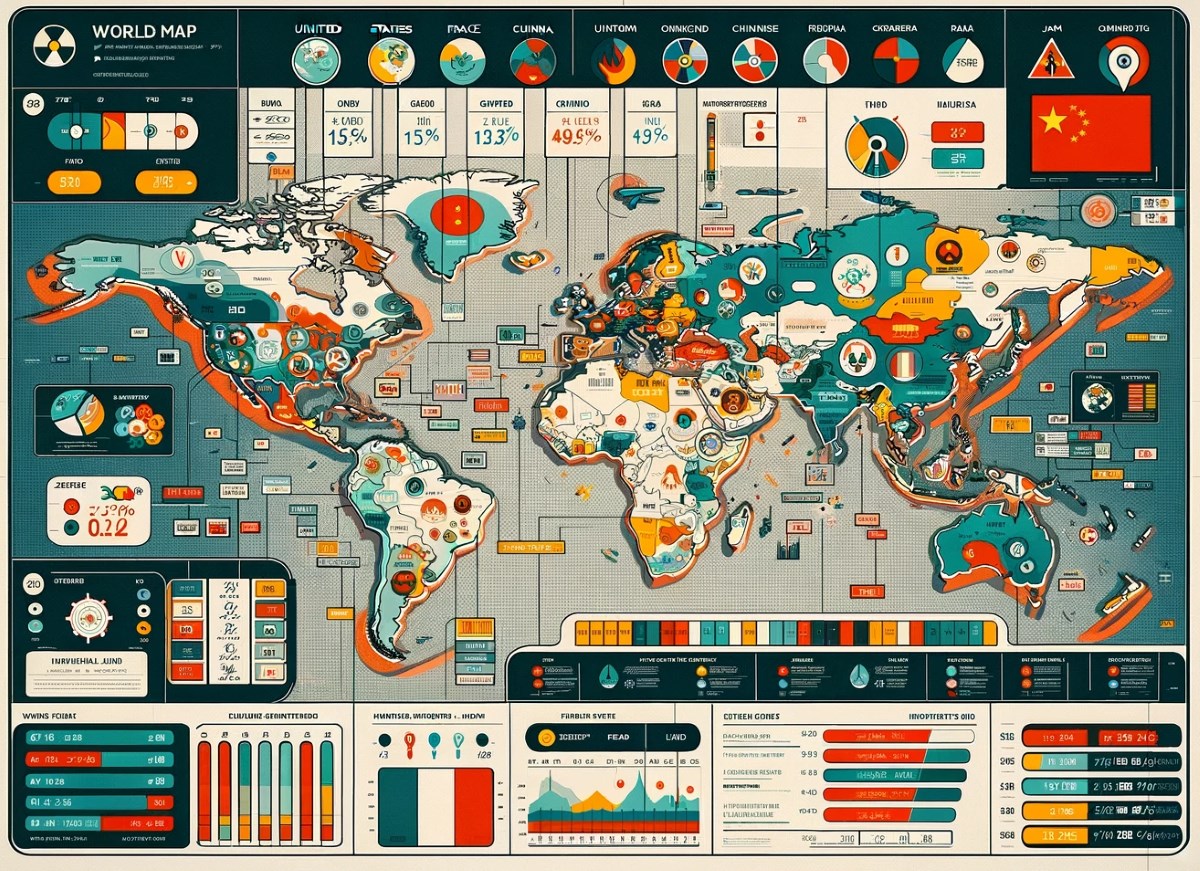
Nuclear energy is used around the world for both civilian and military purposes. However, its popularity and the extent to which it is used can vary significantly from one country to another.
High Utilization Countries
United States: The U.S. is the largest producer of nuclear energy, with nearly 100 commercial reactors.
France: Roughly 70-75% of France's electricity comes from nuclear energy, making it a central part of the country's energy strategy.
Russia: Russia is also a significant player, both in terms of domestic use and as an exporter of nuclear technology.
China: While coal remains dominant, China is rapidly expanding its nuclear capacity as part of a broader push toward cleaner energy sources.
Japan: Despite the Fukushima disaster, Japan has been slowly restarting its reactors and remains a significant user of nuclear energy.
Germany: Although Germany decided to phase out nuclear energy following Fukushima, it still uses nuclear power to some extent and is home to a lot of nuclear research.
Canada: Canada has a number of reactors, mostly in Ontario, and exports a significant amount of uranium.
Countries with Growing Interest
United Arab Emirates: Opened the Barakah nuclear power plant, marking a significant shift in energy policy for the region.
India: Has plans for a significant expansion of its nuclear power capacity.
South Korea: Continues to build and operate nuclear reactors, although public opinion is divided.
Controversial Use or Special Cases
North Korea: Its nuclear program is a subject of international sanctions and diplomatic tensions.
Iran: Iran's nuclear energy program has led to ongoing international scrutiny and negotiations due to concerns over potential military applications.
Note that public opinion, energy needs, geopolitical considerations, and advances in technology can all influence a country's use of nuclear energy, so this is a continually evolving landscape.
- What is nuclear energy?Nuclear energy is an immensely vast subject. Whether we are aware of it or not, it has actively entered our lives in a direct or indirect manner. This topic is an expertise in its own right. We have tried to address some of the most frequently asked questions from our visitors below.
- How is nuclear energy produced?
- What happened in nuclear disasters like Chernobyl and Fukushima?
- Is nuclear energy safe?
- What are the advantages and disadvantages of nuclear energy?
- What impact does nuclear energy have on the environment?
- What happens to nuclear waste?
- Where are nuclear energy resources located?
- Is nuclear energy more effective than fossil fuels?
- What is the cost of nuclear energy?
- What is the relationship between nuclear energy and nuclear weapons?
- What are alternative energy sources to nuclear energy?
- Where are nuclear power plants usually located and why?
- What are the potential harms of nuclear power plants to the surrounding environment?
- How is nuclear energy viewed politically?
- Who uses nuclear energy and in which countries is it popular?
- What is the future of nuclear energy?
- What is nuclear fusion and is nuclear fusion energy feasible?
- What are the international standards and regulations for using nuclear energy?
- Are there medical and industrial uses for nuclear energy?
- Nuclear media?
These questions also include the kind that many people may think of concerning nuclear power. Each user or student will have their own specific questions depending on a particular situation or application. The answers are not binding or absolutely definitive. "There is no issue with sharing our article above as a reference." 09.2020
Your shopping cart is empty!