
How is nuclear energy viewed politically?
Hello inquisitive and curious friends,
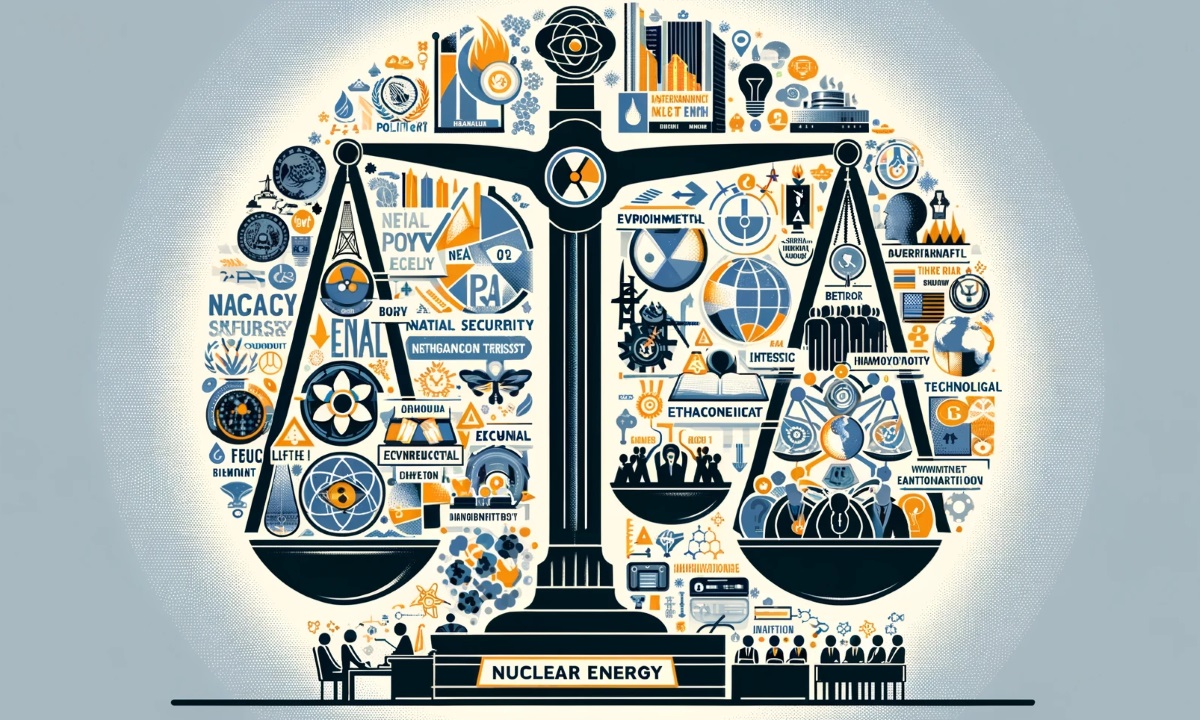
The political perception of nuclear energy varies widely across countries and political ideologies. Here are some key points to consider:
Pro-Nuclear Views
Climate Change: Supporters often see nuclear energy as a necessary tool in fighting climate change, citing its low carbon emissions during operation.
Energy Independence: For some nations, nuclear energy is a pathway to energy independence, reducing reliance on imported fossil fuels.
Economic Development: Construction and operation of nuclear facilities can create jobs and stimulate economic growth.
Base-Load Power: Unlike solar or wind, nuclear can provide a constant power output, adding stability to an energy grid.
Anti-Nuclear Views
Safety Concerns: Opposition is often based on the risks associated with nuclear waste, meltdowns, and radiation leaks.
Cost: Critics point out that the costs of building, operating, and decommissioning nuclear plants can be extremely high.
Weapons Proliferation: There are concerns that the spread of nuclear technology could lead to increased risks of nuclear weapons development.
Environmental Impact: Though the operating emissions are low, mining and waste storage have environmental consequences.
Political Factors
Public Opinion: The general public's perception can strongly influence political views. Accidents like Chernobyl and Fukushima have negatively affected public opinion in many countries.
Legislation: In some countries, legal frameworks can either expedite or hinder the development of nuclear power.
International Relations: The sharing of nuclear technology is often a diplomatic issue, regulated by international treaties and agreements.
Geopolitical Considerations
Some nations may invest in nuclear energy for strategic geopolitical reasons, including the ability to domestically produce nuclear fuel and the potential to develop nuclear weapons capabilities.
Each country's stance on nuclear energy is shaped by a combination of these and other factors, making it a complex and often contentious political issue.
- What is nuclear energy?Nuclear energy is an immensely vast subject. Whether we are aware of it or not, it has actively entered our lives in a direct or indirect manner. This topic is an expertise in its own right. We have tried to address some of the most frequently asked questions from our visitors below.
- How is nuclear energy produced?
- What happened in nuclear disasters like Chernobyl and Fukushima?
- Is nuclear energy safe?
- What are the advantages and disadvantages of nuclear energy?
- What impact does nuclear energy have on the environment?
- What happens to nuclear waste?
- Where are nuclear energy resources located?
- Is nuclear energy more effective than fossil fuels?
- What is the cost of nuclear energy?
- What is the relationship between nuclear energy and nuclear weapons?
- What are alternative energy sources to nuclear energy?
- Where are nuclear power plants usually located and why?
- What are the potential harms of nuclear power plants to the surrounding environment?
- How is nuclear energy viewed politically?
- Who uses nuclear energy and in which countries is it popular?
- What is the future of nuclear energy?
- What is nuclear fusion and is nuclear fusion energy feasible?
- What are the international standards and regulations for using nuclear energy?
- Are there medical and industrial uses for nuclear energy?
- Nuclear media?
These questions also include the kind that many people may think of concerning nuclear power. Each user or student will have their own specific questions depending on a particular situation or application. The answers are not binding or absolutely definitive. "There is no issue with sharing our article above as a reference." 09.2020
Your shopping cart is empty!