
Faq for Nuclear energy
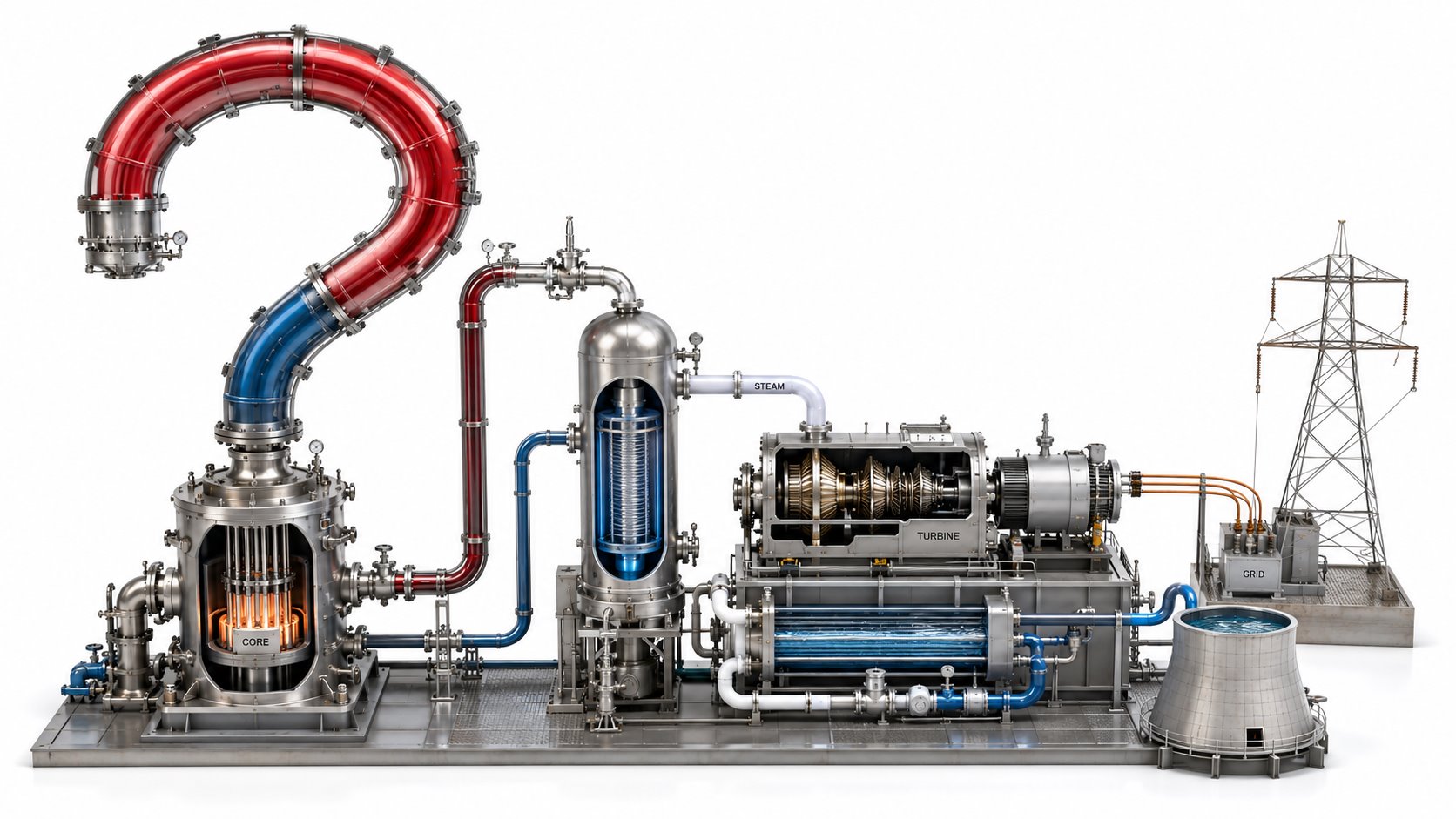
How nuclear power fits into an energy system
A nuclear power station turns heat into electricity. Its distinctive feature is where that heat comes from: fission, the splitting of heavy atomic nuclei. Start with the basic science, then explore the generating process. The reactor supplies heat; a turbine and generator perform the conversion to electricity. [1]
Fusion joins light nuclei and powers the Sun. Fusion energy research addresses a different engineering challenge from operating a fission plant. A successful energy-gain experiment does not, by itself, demonstrate net electricity delivery after accounting for the entire facility’s consumption. [2]
Follow the energy through the plant
A controlled chain reaction releases heat. Steam drives the turbine, and the generator converts shaft power into electrical power. Reactor designs differ in how they transfer heat; the reactor coolant and turbine steam do not always share one circuit. Our explanation of how generators work covers the electrical conversion stage. [6]
Unlike fossil-fuel generation, nuclear fission does not require burning coal or gas to supply this heat. Its low operational carbon emissions are a major benefit. A wider environmental assessment also includes mining, fuel preparation, construction and decommissioning. Low carbon therefore does not mean zero emissions across the entire life cycle. [7][3]
What a fair comparison includes
The benefits and limitations extend beyond fuel efficiency. Nuclear fuel offers high energy density, but fuel resources and supply are part of an industrial chain. Generation is not directly dependent on sunshine or wind. Nevertheless, maintenance, refuelling and faults can interrupt output: reliable production capability is not a promise of uninterrupted operation.
Assessing the cost of nuclear electricity means looking beyond uranium prices. Construction time and financing, operations, maintenance and eventual decommissioning all matter. Plant siting and local environmental effects also depend on cooling needs and site conditions. Compare alternative energy sources as systems delivering the same service. [3][8]
Why safety and waste need their own answers
Nuclear safety depends on multiple layers of protection, physical barriers and operating practices. It cannot be reduced to one protective device. The Chernobyl and Fukushima accidents belong in that assessment, with their differing designs and circumstances considered individually. Standards and regulation apply throughout the plant’s life. [4]
Radioactive waste management must account for each material’s properties. Spent fuel, operational waste and disused radioactive sources are different categories of material. Management includes treatment, storage and suitable disposal. Having a storage facility does not settle every long-term responsibility. [5]
Peaceful use and non-proliferation, energy policy and national choices raise questions beyond a reactor’s performance. When reading about future developments, distinguish project targets from demonstrated operating results. Medical and industrial applications also show why nuclear technology is a broader subject than power generation alone. [1][5]
Sources
[1] IAEA — Nuclear energy
[2] IAEA — Nuclear fusion
[3] IAEA — Nuclear Power for Sustainable Development
[4] IAEA SSR-2/1 — Defence in depth
[5] IAEA — Waste, spent fuel and decommissioning
[6] DOE — How a nuclear reactor works
[7] IAEA — Nuclear power and climate change
[8] DOE — Advantages and challenges