
Where are nuclear power plants usually located?
Hello inquisitive and curious friends,
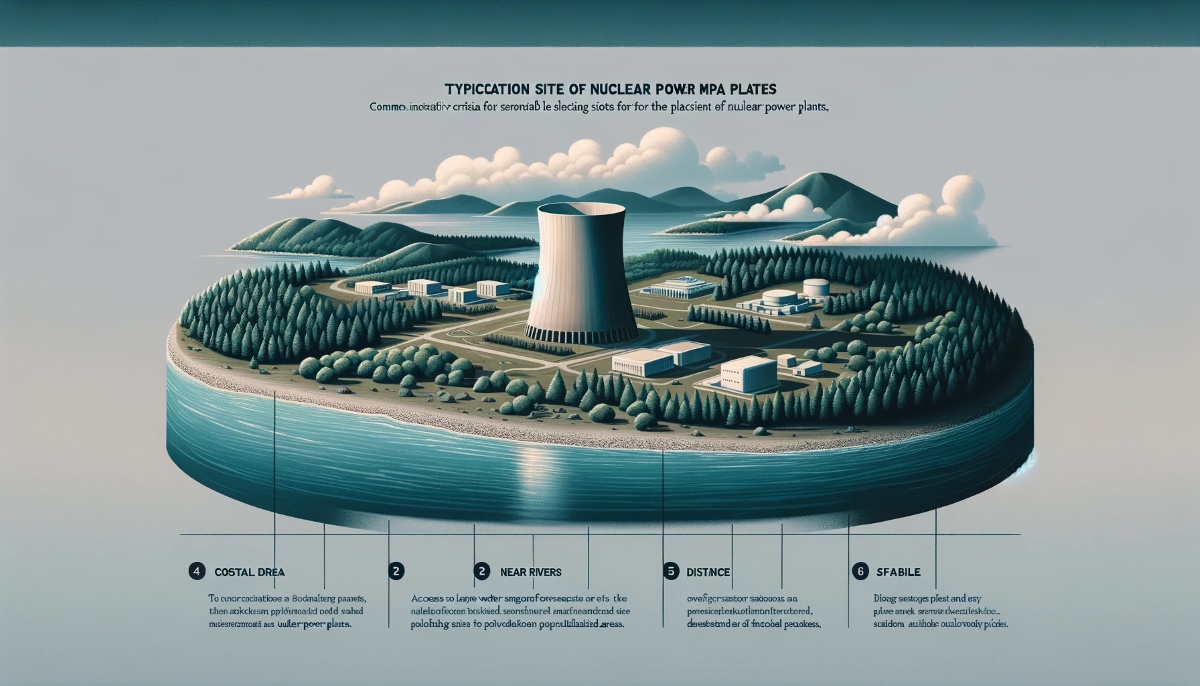
Nuclear power plants are typically located in areas where several key factors can be optimized. Here's a breakdown of some of these factors and why they are important:
Water Access
Why: Nuclear reactors require a massive amount of water for cooling.
Where: Near large bodies of water like rivers, lakes, or oceans.
Distance from Population Centers
Why: In case of accidents, it's crucial to minimize human exposure to radiation.
Where: Often situated a safe distance away from highly populated areas but still close enough for easier transmission of electricity.
Geological Stability
Why: Minimizes the risk of damage from natural disasters like earthquakes and tsunamis.
Where: Areas with low seismic activity and away from flood zones.
Regulatory Approvals
Why: Comply with governmental regulations, including environmental assessments.
Where: Countries or states where the regulatory environment is favorable for nuclear energy.
Economic Factors
Why: Land cost, availability of skilled labor, and proximity to electrical grids are economic considerations.
Where: Regions where these factors make it cost-effective to build and operate a plant.
Security Concerns
Why: Nuclear material needs to be protected from potential threats.
Where: Locations that can be easily secured, possibly near military facilities or areas where security can be tightly controlled.
Transport Access
Why: For the supply of materials, including nuclear fuel, and for the removal of waste.
Where: Accessible by road, rail, or water transport for logistical ease.
These are some of the key factors that dictate where a nuclear power plant might be located. Due to these factors, you'll often find nuclear plants in relatively remote, geologically stable areas near large bodies of water.
- What is nuclear energy?Nuclear energy is an immensely vast subject. Whether we are aware of it or not, it has actively entered our lives in a direct or indirect manner. This topic is an expertise in its own right. We have tried to address some of the most frequently asked questions from our visitors below.
- How is nuclear energy produced?
- What happened in nuclear disasters like Chernobyl and Fukushima?
- Is nuclear energy safe?
- What are the advantages and disadvantages of nuclear energy?
- What impact does nuclear energy have on the environment?
- What happens to nuclear waste?
- Where are nuclear energy resources located?
- Is nuclear energy more effective than fossil fuels?
- What is the cost of nuclear energy?
- What is the relationship between nuclear energy and nuclear weapons?
- What are alternative energy sources to nuclear energy?
- Where are nuclear power plants usually located and why?
- What are the potential harms of nuclear power plants to the surrounding environment?
- How is nuclear energy viewed politically?
- Who uses nuclear energy and in which countries is it popular?
- What is the future of nuclear energy?
- What is nuclear fusion and is nuclear fusion energy feasible?
- What are the international standards and regulations for using nuclear energy?
- Are there medical and industrial uses for nuclear energy?
- Nuclear media?
These questions also include the kind that many people may think of concerning nuclear power. Each user or student will have their own specific questions depending on a particular situation or application. The answers are not binding or absolutely definitive. "There is no issue with sharing our article above as a reference." 09.2020
Your shopping cart is empty!