
Current Fuses
Hi everyone,
Current fuses, also known as overcurrent protection fuses, are essential components in electrical systems designed to protect circuits and equipment from excessive currents that can cause damage, overheating, or fire hazards. Here's a detailed overview of current fuses:
Introduction to Current Fuses:
Current fuses are safety devices that interrupt the flow of electrical current in a circuit when it exceeds a predetermined level. They are designed to protect wiring, equipment, and personnel from the dangers associated with overcurrent conditions.
Types of Current Fuses:
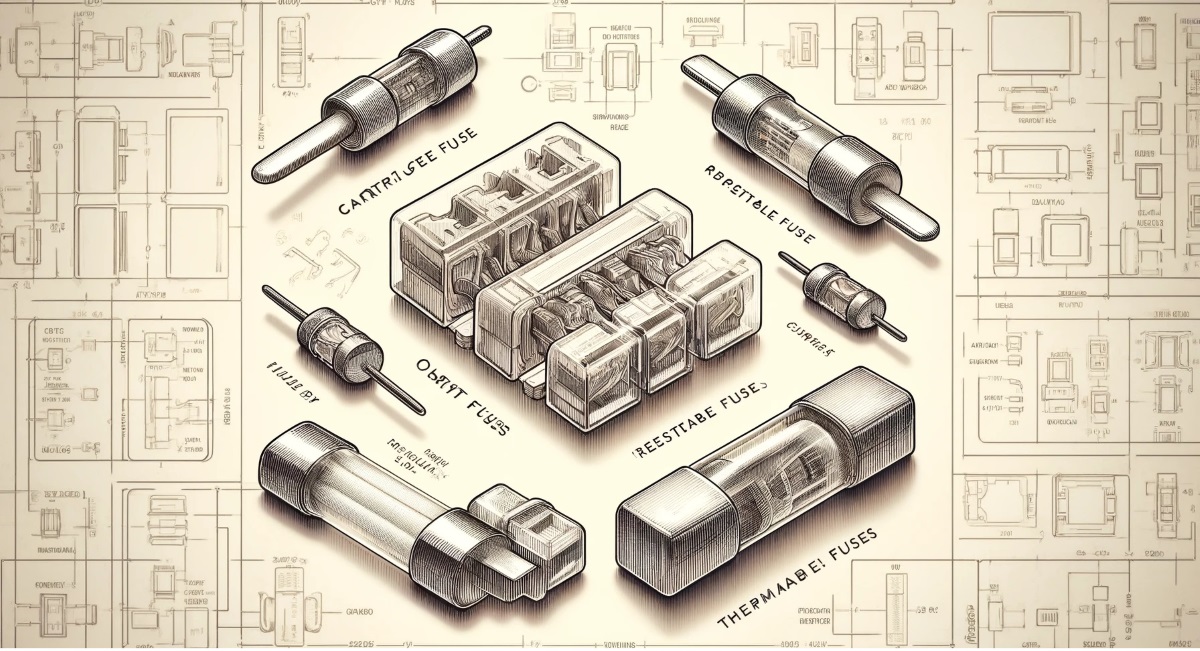
Fast-Acting Fuses: These fuses respond quickly to overcurrent conditions, providing immediate protection for sensitive components.
Slow-Blow Fuses: Also known as time-delay fuses, they allow for a temporary surge in current without blowing, making them suitable for circuits with inrush currents.
High Rupture Capacity (HRC) Fuses: Designed to handle high fault currents, HRC fuses are commonly used in industrial and commercial applications.
Fuse Ratings:
Current Rating: The maximum current the fuse can carry without blowing. It is usually expressed in amperes (A).
Voltage Rating: The maximum voltage the fuse can handle. It indicates the maximum voltage the fuse can safely interrupt.
Breaking Capacity: The maximum fault current the fuse can safely interrupt without causing damage or arcing.
Selection Criteria:
When selecting a current fuse, consider the following factors:
Circuit Requirements: Match the fuse ratings with the voltage and current requirements of the circuit.
Type of Load: Determine whether the circuit has resistive, capacitive, or inductive loads, as this affects the choice of fuse type.
Operating Environment: Consider temperature, humidity, and other environmental factors that may affect the fuse's performance.
Applications:
Current fuses are used in various applications, including:
Electrical Panels: To protect circuits from overcurrents in residential, commercial, and industrial settings.
Motor Protection: To safeguard electric motors from damage due to overloading or short circuits.
Power Distribution: In distribution networks to protect against faults and ensure reliable power supply.
Advantages:
Protection: Current fuses provide a simple and effective way to protect electrical circuits from overcurrents.
Cost-Effective: Fuses are generally more affordable than other protective devices like circuit breakers.
Easy to Replace: In the event of a fault, fuses can be quickly and easily replaced.
Limitations:
One-Time Use: Once a fuse blows, it needs to be replaced, which can be inconvenient in some applications.
Limited Diagnostic Information: Fuses do not provide information about the nature or duration of the fault.
Maintenance and Safety:
Regular inspection and maintenance of fuses are essential to ensure their proper functioning. Always replace blown fuses with ones of the correct rating, and follow safety guidelines when handling and replacing fuses.
In conclusion, current fuses play a vital role in protecting electrical circuits and equipment from overcurrents. By understanding the different types of fuses, their ratings, and selection criteria, engineers and technicians can ensure the safety and reliability of electrical systems.
Investigating the Term 'Fuse' Used Both Technically and Socially: Answers to Technical Questions from Our Valuable Members. We have attempted to find answers to questions posed by our valuable members regarding the technical aspects of the term 'fuse.'
+ How should I choose the type of fuse?
- What is an electrical fuse, and what is its primary function?
- What are the differences between different types of fuses (e.g., cartridge fuses, circuit breakers)?
- How can I tell when a fuse needs to be replaced?
- How is the fuse rating (ampere value) determined, and how is it related to the load in a circuit?
- Why does a fuse blow or burn out, and what should I do in that situation?
- What should I consider regarding the placement and maintenance of a fuse box?
- What role do electrical fuses play in home safety?
- What safety precautions should be taken when changing a fuse?
- Are there special types of fuses for high-power-consuming devices?
- What factors should be considered when selecting an electrical fuse?
++ Fuses Homepage
"These
questions often include those that may come to mind for many people
regarding 'fuses and electrical protection.' Each user or student will
have their own specific questions depending on a particular situation or
application. The answers are not binding or entirely definitive. There is no objection to sharing our above article, citing it as a source. - Automation Mall Community, 03/2022"
 -
-Your shopping cart is empty!