
Renewable energy FAQ
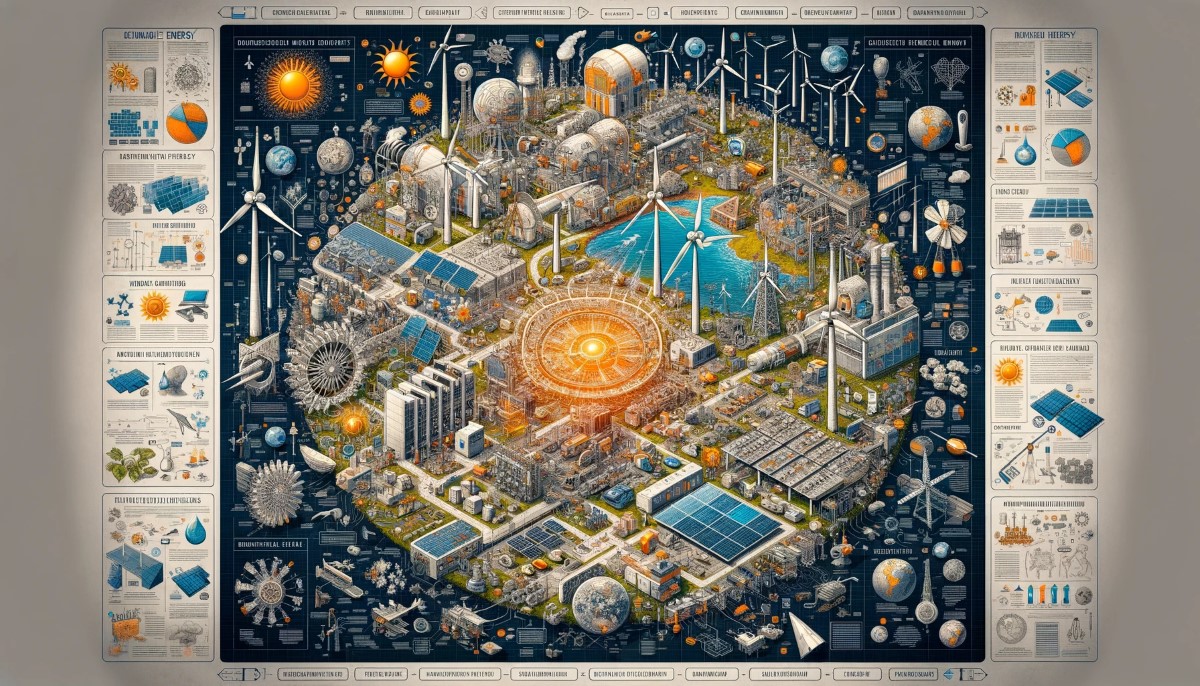
Renewable energy refers to energy that is collected from resources that are naturally replenished on a human timescale, such as sunlight, wind, rain, tides, waves, and geothermal heat. Unlike fossil fuels, which are finite resources, renewable energy sources regenerate themselves and are, therefore, sustainable in the long term.
Here's an overview of the main types of renewable energy:
Solar Energy:
Derived from the sun's radiation.
Photovoltaic cells are used to convert sunlight directly into electricity.
Solar thermal systems can be used to produce hot water or steam for heating or electricity generation.
Wind Energy:
Uses the wind to turn turbines, which generate electricity.
Can be onshore (on land) or offshore (out at sea).
Hydropower (or Hydroelectric Power):
Uses the energy of flowing or falling water to generate electricity.
Traditional hydroelectric dams and run-of-the-river systems are the primary methods.
Biomass Energy:
Derived from organic materials.
Can be used directly (like burning wood) or converted into biofuels (like ethanol or biodiesel).
Biomass can be used for heating, electricity generation, or vehicle fuel.
Geothermal Energy:
Comes from the heat within the Earth.
Can be used for direct heating or to generate electricity.
Tidal and Wave Energy:
Extract energy from the movement of the seas.
Tidal energy captures energy from the rise and fall of tides.
Wave energy uses the energy from surface waves.
Ocean Thermal Energy:
Exploits temperature differences between the ocean's surface and deeper layers to generate electricity.
Advantages of Renewable Energy:
Sustainability: The primary advantage is that they are replenished naturally and are inexhaustible.
Environmentally Friendly: Generally, they have a smaller environmental footprint compared to fossil fuels.
Reduction of Greenhouse Gas Emissions: Renewables reduce the overall amount of carbon dioxide and other greenhouse gases released into the atmosphere.
Economic Development: The renewable energy industry also drives technological innovation and job creation.
Energy Independence: Nations can reduce their dependence on foreign energy and increase their energy security.
Challenges:
Intermittency and Reliability: Sun and wind are not always available, leading to intermittency issues.
Storage: Efficiently storing renewable energy, especially from solar and wind sources, is a technological challenge. Batteries and other storage methods are being developed but are still expensive.
Infrastructure: Many current power grids need to be updated to handle large-scale renewable integration.
Higher Initial Costs: Some renewable energy technologies have higher upfront costs, though this is often offset by lower operational costs and incentives.
Land Use Concerns: Large solar or wind farms can have impacts on local ecosystems.
Nevertheless, the shift towards renewable energy is seen as critical in the fight against climate change and the drive towards a more sustainable energy future. As technology improves and the costs of renewable sources continue to fall, it's likely that they will play an even larger role in the global energy landscape.
"Renewable energy is more than just a hobby or curiosity; it is a 'necessity.' Whether we are aware of it or not, we have recklessly consumed/consume the world's resources. The point we have reached is beyond the threshold of return. Below, we have tried to answer questions of varying levels about renewable energy that have come from you."
- Which sources are considered renewable energy?
- How is solar energy generated and utilized?
- How does wind energy work and how is it used for electricity generation?
- How is hydroelectric energy produced, and what are its environmental impacts?
- What is geothermal energy, and how is it extracted?
- How does tidal energy work, and what are tidal power plants?
- What is biomass energy, and how is it obtained?
- What are the advantages of renewable energy sources compared to fossil fuels?
- What recent advancements have been made in the technologies used for renewable energy production?
- How are energy storage methods employed in renewable energy production?
- How is the integration of renewable energy into power grids achieved?
- What are the economic impacts of using renewable energy?
- How are renewable energy policies and incentives implemented globally?
- What are the expected future developments in the field of renewable energy?
- Can we harness solar energy beyond photons?
- Are flying wind energy collectors a possibility instead of traditional wind turbines?
- Can we develop a quantum computer powered by renewable energy?
- How can we generate hydroelectric energy outside of the water cycle?
- Is it feasible to use geothermal energy on Mars?
- Can we match tidal energy with tidal forces in space?
- How can we enhance biomass energy with synthetic organisms?
- Is it possible to utilize black holes for renewable energy production?
- Can antimatter be used for renewable energy generation?
- Can we illuminate a galaxy with energy from renewable sources?
"These questions often include inquiries that many people may have about renewable energy components. Each user or student will have their specific questions depending on a particular situation or application. The answers are not binding or entirely definitive. 'There is no harm in sharing our article above, citing it as a source." 009.2019
Refine Search
- Are flying wind energy collectors a possibility instead of traditional wind turbines?
- Can antimatter be used for renewable energy generation?
- Can we develop a quantum computer powered by renewable energy?
- Can we harness solar energy beyond photons?
- Can we illuminate a galaxy with energy from renewable sources?
- Can we match tidal energy with tidal forces in space?
- How are energy storage methods employed in renewable energy production?
- How are renewable energy policies and incentives implemented globally?
- How can we enhance biomass energy with synthetic organisms?
- How can we generate hydroelectric energy outside of the water cycle?
- How does tidal energy work, and what are tidal power plants?
- How does wind energy work and how is it used for electricity generation?
- How is hydroelectric energy produced, and what are its environmental impacts?
- How is solar energy generated and utilized?
- How is the integration of renewable energy into power grids achieved?
- Is it feasible to use geothermal energy on Mars?
- Is it possible to utilize black holes for renewable energy production?
- What are the advantages of renewable energy sources compared to fossil fuels?
- What are the economic impacts of using renewable energy?
- What are the expected future developments in the field of renewable energy?
- What is biomass energy, and how is it obtained?