
How is hydroelectric energy produced, and what are its environmental impacts?
Hello, dear friends,
Hydroelectric energy is generated through the process of converting the kinetic and potential energy of water into electrical energy. This process typically involves several key steps and components:
Water Source: Hydroelectric power plants are usually located near a water source, such as a river or reservoir. The water level in the reservoir is maintained at a higher level than the level of the water downstream, creating potential energy.
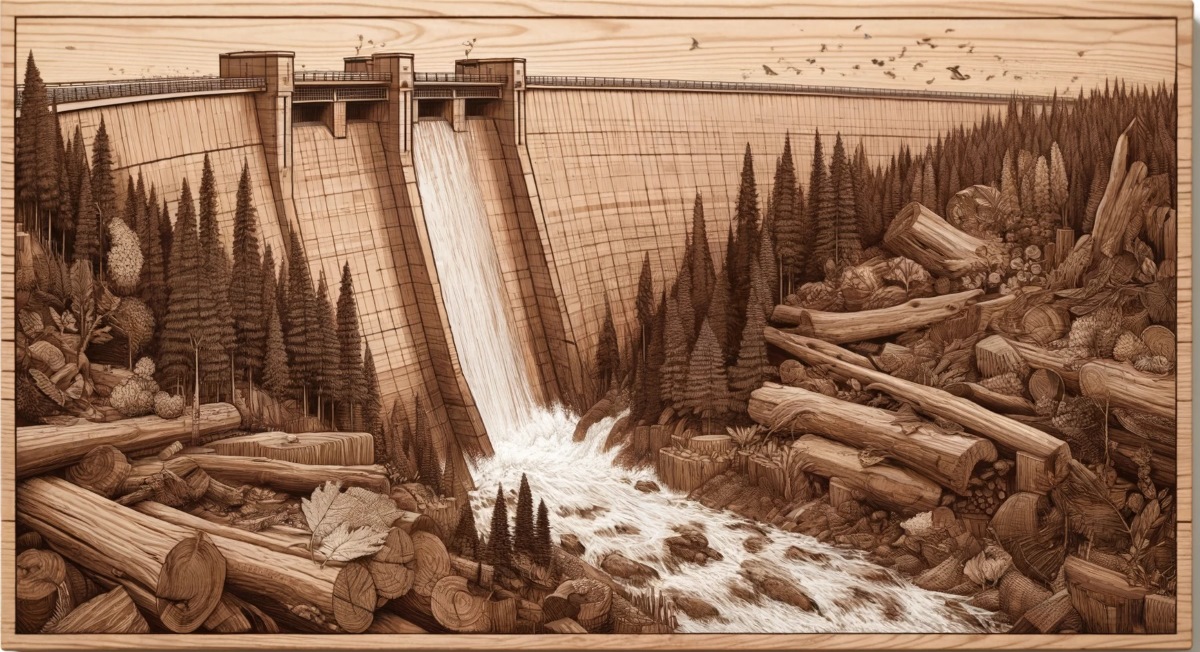
Dam: A dam is often constructed to create a reservoir and increase the height of the water, thereby increasing its potential energy. The dam also helps in controlling the flow of water.
Intake and Penstock: Water from the reservoir is directed towards the turbines through an intake. It then flows through a large pipe called a penstock, which channels the water towards the turbine blades.
Turbine: As water flows over the turbine blades, it causes them to spin. This spinning motion converts the kinetic energy of the water into mechanical energy.
Generator: The turbine is connected to a generator. As the turbine spins, it drives the generator, which converts the mechanical energy into electrical energy through electromagnetic induction.
Transmission Lines: The generated electricity is then transmitted through power lines to homes, businesses, and other facilities.
Outflow: After passing through the turbine, the water is released back into the river downstream of the dam.
Environmental Impacts of Hydroelectric Energy:
While hydroelectric energy is a renewable and clean source of power, it can have several environmental impacts:
Ecosystem Disruption: The construction of dams and reservoirs can disrupt local ecosystems, affecting fish migration patterns and aquatic habitats.
Water Quality: Changes in water temperature and chemistry can affect the quality of water downstream, impacting aquatic life.
Methane Emissions: In some cases, decaying plant material in reservoirs can produce methane, a potent greenhouse gas.
Sedimentation: Dams can trap sediment, reducing the flow of nutrients downstream and affecting riverine ecosystems.
Displacement: Large hydroelectric projects can lead to the displacement of local communities and changes in land use.
Climate Change: While hydroelectric power produces significantly less greenhouse gas emissions compared to fossil fuels, changes in precipitation patterns due to climate change can affect water availability and hydroelectric power generation.
To mitigate these impacts, careful planning, environmental assessments, and sustainable management practices are essential in the development and operation of hydroelectric power plants.
"Renewable energy is more than just a hobby or curiosity; it is a 'necessity.' Whether we are aware of it or not, we have recklessly consumed/consume the world's resources. The point we have reached is beyond the threshold of return. Below, we have tried to answer questions of varying levels about renewable energy that have come from you."
- Which sources are considered renewable energy?
- How is solar energy generated and utilized?
- How does wind energy work and how is it used for electricity generation?
- How is hydroelectric energy produced, and what are its environmental impacts?
- What is geothermal energy, and how is it extracted?
- How does tidal energy work, and what are tidal power plants?
- What is biomass energy, and how is it obtained?
- What are the advantages of renewable energy sources compared to fossil fuels?
- What recent advancements have been made in the technologies used for renewable energy production?
- How are energy storage methods employed in renewable energy production?
- How is the integration of renewable energy into power grids achieved?
- What are the economic impacts of using renewable energy?
- How are renewable energy policies and incentives implemented globally?
- What are the expected future developments in the field of renewable energy?
- Can we harness solar energy beyond photons?
- Are flying wind energy collectors a possibility instead of traditional wind turbines?
- Can we develop a quantum computer powered by renewable energy?
- How can we generate hydroelectric energy outside of the water cycle?
- Is it feasible to use geothermal energy on Mars?
- Can we match tidal energy with tidal forces in space?
- How can we enhance biomass energy with synthetic organisms?
- Is it possible to utilize black holes for renewable energy production?
- Can antimatter be used for renewable energy generation?
- Can we illuminate a galaxy with energy from renewable sources?
Your shopping cart is empty!