
What is the difference between a vacuum pump and a pressure pump?
Hello dear colleagues,
Vacuum pumps and pressure pumps are devices that move fluids, but they are used in very different contexts and have different purposes.
Vacuum Pump: A vacuum pump is a device that removes gas molecules from a sealed volume to leave behind a partial vacuum. The purpose of a vacuum pump is to create a vacuum, which is a space where the pressure is below atmospheric pressure. Vacuum pumps are used in a wide range of applications, such as packaging, refrigeration, automobiles, and scientific research, to create a vacuum environment.
Pressure Pump: A pressure pump, on the other hand, is a device that uses mechanical force to increase the pressure of a fluid, typically a liquid. It works by applying force to the fluid, which forces the fluid to move from areas of high pressure to areas of low pressure. Pressure pumps are used in a variety of applications, such as in water supply systems to increase the pressure of the water, in car engines to increase the pressure of the oil, and in hydraulic systems.
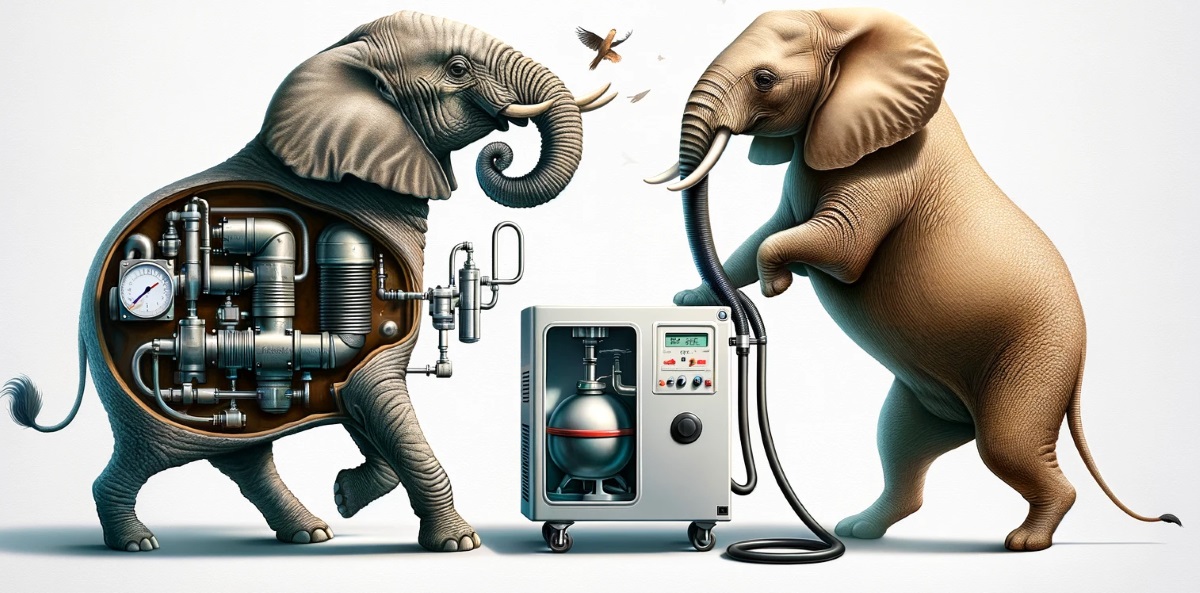
In short, the main difference is that vacuum pumps remove gas to create a vacuum (lower pressure), whereas pressure pumps apply force to increase pressure.
Below, you can find the items where we try to answer the most frequently asked questions from our users. Vacuum control technologies are advancing every day, and factors such as efficiency, environmental compatibility, and carbon footprint are becoming prominent.
Regarding Vacuum Sensors:
- What is a vacuum sensor and how does it work?
- What are the different types of vacuum sensors?
- What are the use cases for vacuum sensors?
- What are the advantages and disadvantages of vacuum sensors?
- How do I maintain and calibrate vacuum sensors?
- How can I check the efficiency of a vacuum sensor?
- What materials are typically used in vacuum sensors?
- What is the difference between a vacuum sensor and a pressure sensor?
- How long is the lifespan of vacuum sensors?
- What factors should I consider when choosing a vacuum sensor?
Regarding Vacuum Pumps:
- What is a vacuum pump and how does it work?
- What are the different types of vacuum pumps?
- What are the use cases for vacuum pumps?
- How do I maintain and repair vacuum pumps?
- What are the advantages and disadvantages of vacuum pumps?
- What should I look for when choosing a vacuum pump?
- How do I measure the purity of vacuum created by a vacuum pump?
- What types of oil should I use for vacuum pumps?
- What is the difference between a vacuum pump and a pressure pump?
- How much energy does a vacuum pump consume?
Regarding Vacuum Technologies:
- What is vacuum technology and in what fields is it used?
- Why is vacuum technology important?
- What materials are used in vacuum technologies?
- What types of industries commonly use vacuum technologies?
- What are the latest innovations in vacuum technologies?
- What are the key differences between vacuum technology and atmospheric pressure technology?
- What types of safety measures are taken in vacuum technologies?
- How do you think vacuum technologies will evolve in the future?
- How sustainable are vacuum technologies for the environment?
- What is the energy efficiency of vacuum technologies?
+ Vacuum Sensors homepage+ Vacuum Pumps homepage
These questions generally cover many questions that might come to mind about vacuum control systems and vacuum sensors. Each user or student will have their own specific questions depending on a particular situation or application. The answers are not binding or definitive. "There is no problem in sharing our article above as a source. 02/2020"
Your shopping cart is empty!