
Environmental damage of nuclear power plants?
Hello inquisitive and curious friends,
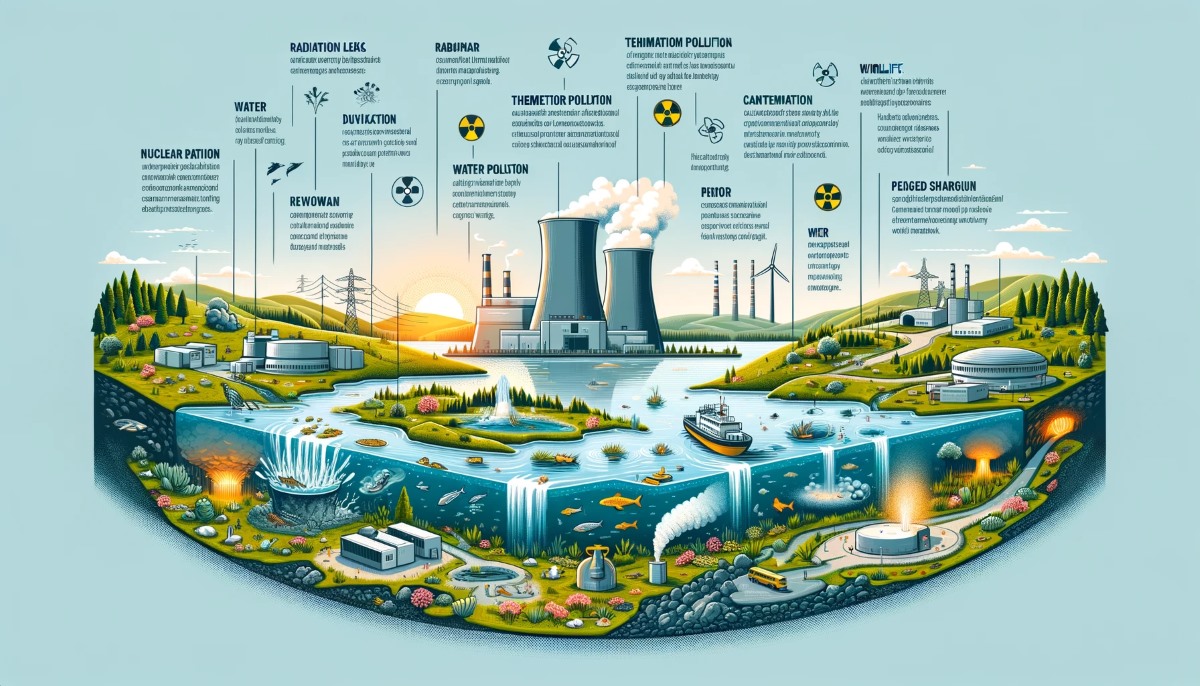
Nuclear power plants come with a range of environmental concerns, some of which are outlined below:
Radioactive Waste
Issue: The process of nuclear fission creates radioactive waste that needs to be managed and stored for long periods until it becomes non-hazardous.
Impact: If improperly managed, this waste could contaminate soil and water.
Thermal Pollution
Issue: The cooling systems in nuclear reactors discharge warm water into nearby rivers or oceans.
Impact: This can disturb local ecosystems and harm aquatic life.
Risk of Accidents
Issue: Accidents like meltdowns or leaks can happen, despite safety measures.
Impact: These can lead to significant environmental damage, including radioactive contamination of air, soil, and water.
Water Usage
Issue: Nuclear power plants require large amounts of water for cooling.
Impact: In some cases, this can strain local water resources, affecting both human and animal populations.
Land Use
Issue: The facilities require a large amount of land, which could otherwise be used for agriculture or natural habitats.
Impact: This can lead to habitat destruction and reduced biodiversity.
Resource Extraction
Issue: Mining for uranium or other fuels can be damaging to the environment.
Impact: This often leads to soil erosion, deforestation, and pollution of water sources.
Decommissioning
Issue: After their lifecycle, plants need to be safely decommissioned, which is a long and costly process.
Impact: Decommissioning involves dealing with a significant amount of hazardous material, which needs to be safely stored or disposed of.
Greenhouse Gas Emissions
Issue: While operating emissions are low, the full lifecycle of a nuclear plant, including construction and decommissioning, involves some greenhouse gas emissions.
Impact: Contributes to climate change, although to a much lesser extent compared to fossil fuel-based power plants.
While nuclear energy has the potential for harmful environmental impacts, it's also worth noting that when operated safely and responsibly, it offers a low-carbon alternative to fossil fuel energy sources.
- What is nuclear energy?Nuclear energy is an immensely vast subject. Whether we are aware of it or not, it has actively entered our lives in a direct or indirect manner. This topic is an expertise in its own right. We have tried to address some of the most frequently asked questions from our visitors below.
- How is nuclear energy produced?
- What happened in nuclear disasters like Chernobyl and Fukushima?
- Is nuclear energy safe?
- What are the advantages and disadvantages of nuclear energy?
- What impact does nuclear energy have on the environment?
- What happens to nuclear waste?
- Where are nuclear energy resources located?
- Is nuclear energy more effective than fossil fuels?
- What is the cost of nuclear energy?
- What is the relationship between nuclear energy and nuclear weapons?
- What are alternative energy sources to nuclear energy?
- Where are nuclear power plants usually located and why?
- What are the potential harms of nuclear power plants to the surrounding environment?
- How is nuclear energy viewed politically?
- Who uses nuclear energy and in which countries is it popular?
- What is the future of nuclear energy?
- What is nuclear fusion and is nuclear fusion energy feasible?
- What are the international standards and regulations for using nuclear energy?
- Are there medical and industrial uses for nuclear energy?
- Nuclear media?
These questions also include the kind that many people may think of concerning nuclear power. Each user or student will have their own specific questions depending on a particular situation or application. The answers are not binding or absolutely definitive. "There is no issue with sharing our article above as a reference." 09.2020
Your shopping cart is empty!