
How sustainable are vacuum technologies for the environment?
Hello dear colleagues,
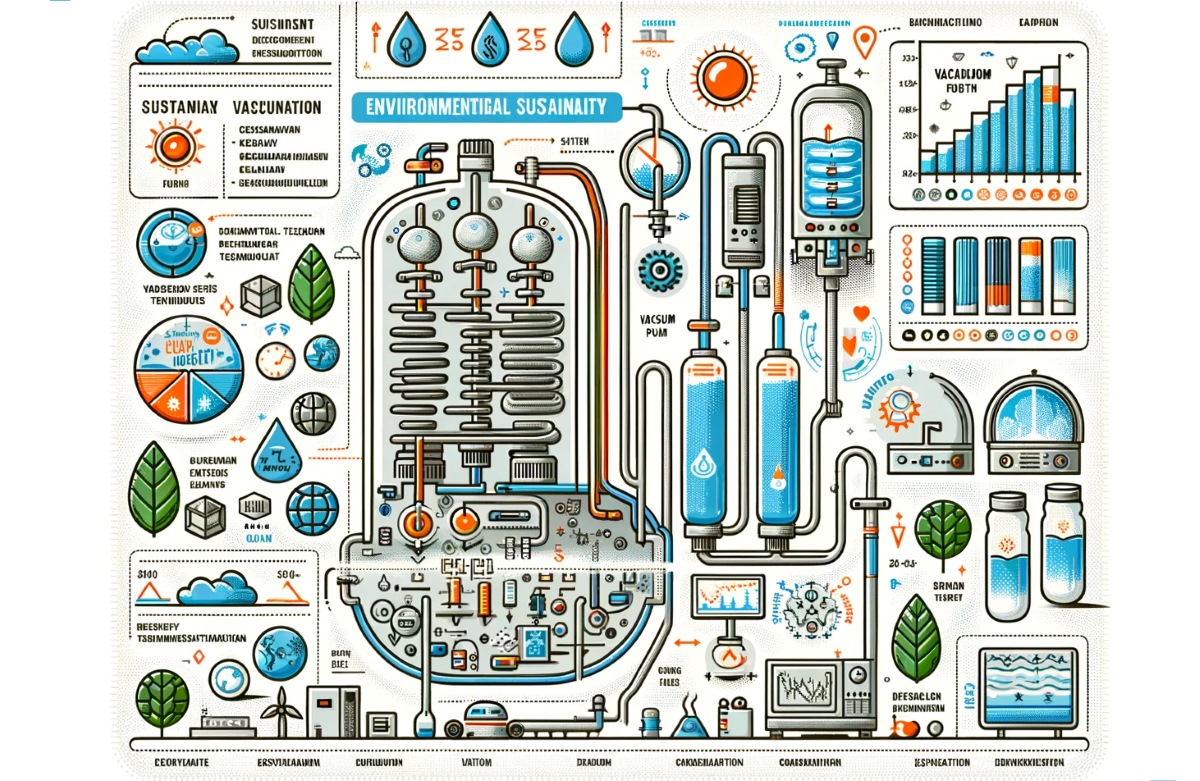
Vacuum technologies' environmental sustainability can vary greatly depending on the specific application and operation. However, there are several key aspects to consider:
Energy Efficiency: Vacuum pumps, which create the vacuum environment, can be energy-intensive to operate. Improvements in the energy efficiency of these pumps can greatly reduce their environmental impact. Some modern vacuum pumps are designed to be much more energy-efficient than older models.
Chemical Usage: Some vacuum applications, such as vacuum coating or certain manufacturing processes, may use potentially harmful chemicals. The sustainability of these processes can be improved by minimizing chemical usage, recycling materials where possible, and properly treating any waste products.
Maintenance and Lifespan: The sustainability of vacuum technologies can also be improved by designing systems to have longer lifespans and require less frequent maintenance. This reduces the amount of waste generated by the need to replace parts or entire systems.
Cooling Requirements: Many vacuum systems require cooling to operate effectively. This can be energy-intensive, especially in larger systems. Advances in cooling technology or the use of alternative cooling methods could make these systems more sustainable.
Materials and Manufacturing: The materials used to construct vacuum systems, and the processes used to manufacture them, also have an environmental impact. Choosing sustainable materials and manufacturing processes can help to reduce this.
Applications: Some applications of vacuum technology can contribute to sustainability. For example, vacuum insulation panels are highly effective insulators that can improve energy efficiency in buildings or refrigeration systems.
In general, like with all technologies, there is a growing trend in the vacuum industry towards increased sustainability. This includes improvements in energy efficiency, reductions in the use of harmful chemicals, and a move towards more sustainable materials and manufacturing processes. As research and technology progress, we can expect vacuum technologies to continue becoming more environmentally friendly.
Below, you can find the items where we try to answer the most frequently asked questions from our users. Vacuum control technologies are advancing every day, and factors such as efficiency, environmental compatibility, and carbon footprint are becoming prominent.
Regarding Vacuum Sensors:
- What is a vacuum sensor and how does it work?
- What are the different types of vacuum sensors?
- What are the use cases for vacuum sensors?
- What are the advantages and disadvantages of vacuum sensors?
- How do I maintain and calibrate vacuum sensors?
- How can I check the efficiency of a vacuum sensor?
- What materials are typically used in vacuum sensors?
- What is the difference between a vacuum sensor and a pressure sensor?
- How long is the lifespan of vacuum sensors?
- What factors should I consider when choosing a vacuum sensor?
Regarding Vacuum Pumps:
- What is a vacuum pump and how does it work?
- What are the different types of vacuum pumps?
- What are the use cases for vacuum pumps?
- How do I maintain and repair vacuum pumps?
- What are the advantages and disadvantages of vacuum pumps?
- What should I look for when choosing a vacuum pump?
- How do I measure the purity of vacuum created by a vacuum pump?
- What types of oil should I use for vacuum pumps?
- What is the difference between a vacuum pump and a pressure pump?
- How much energy does a vacuum pump consume?
Regarding Vacuum Technologies:
- What is vacuum technology and in what fields is it used?
- Why is vacuum technology important?
- What materials are used in vacuum technologies?
- What types of industries commonly use vacuum technologies?
- What are the latest innovations in vacuum technologies?
- What are the key differences between vacuum technology and atmospheric pressure technology?
- What types of safety measures are taken in vacuum technologies?
- How do you think vacuum technologies will evolve in the future?
- How sustainable are vacuum technologies for the environment?
- What is the energy efficiency of vacuum technologies?
+ Vacuum Sensors homepage+ Vacuum Pumps homepage
These questions generally cover many questions that might come to mind about vacuum control systems and vacuum sensors. Each user or student will have their own specific questions depending on a particular situation or application. The answers are not binding or definitive. "There is no problem in sharing our article above as a source. 02/2020"
Your shopping cart is empty!