
How safe are solar inverters?
Hello, friends of solar energy,
Solar inverters are generally safe when installed, operated, and maintained properly. They are designed and tested to comply with safety standards, which include protections against electrical and fire hazards. Some key safety aspects of solar inverters include:
Electrical Safety: Solar inverters convert DC power from solar panels into AC power suitable for home use. This conversion process involves high voltages, and inverters have built-in safety features such as grounding, isolation, and protective circuits to manage these voltages safely.
Overload and Overheat Protection: Solar inverters have protections against overloading and overheating, which could otherwise cause damage or fire. They will typically shut down if they detect conditions that are out of their safe operating range.
Fault Detection and Protection: Many solar inverters have systems for detecting faults, such as electrical shorts or ground faults. They can automatically disconnect in such cases to protect against shocks and fires.
Safe Installation and Maintenance: Proper installation and maintenance are crucial for the safe operation of solar inverters. This includes correct mounting, wiring, and grounding, as well as periodic inspections and maintenance.
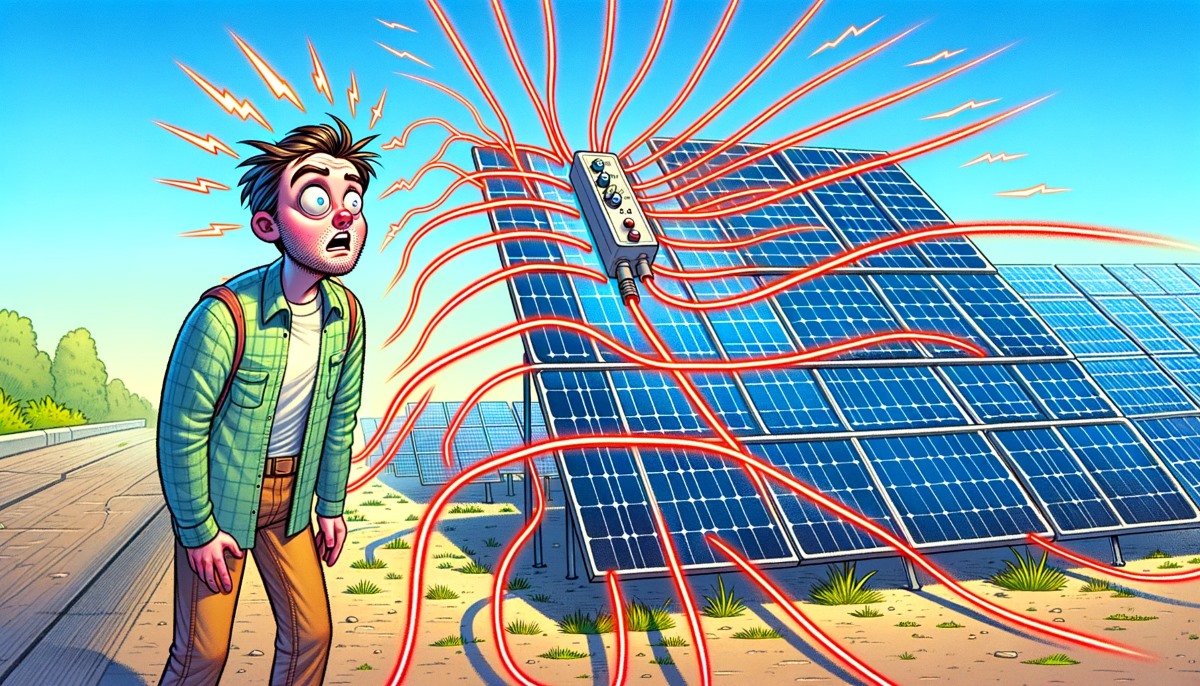
Can solar panels cause electric shock?"
The question of whether solar panels can cause electric shock has both "yes" and "no" answers.
No: If you are exposed to the energy of a solar panel system around 80 volts, which is roughly the output of about two panels, it usually does not pose a life-threatening risk for an adult. Solar panels themselves do not directly carry the risk of electric shock as they convert sunlight into electrical energy without directly transmitting electricity to people. They operate at low voltages and do not pose a direct risk of electric shock to humans.
Yes: On the other hand, in systems typically connected in series, where the voltage exceeds 80 volts, exposure to solar panel electricity can have fatal consequences. The inverters and connection points of such systems can reach high voltages and carry a risk of electric shock. Therefore, it is very important to be cautious and take necessary safety precautions when working with these systems. The risk of electric shock usually arises during the installation or maintenance of solar panel systems, which should be managed by professional and trained technicians.
In summary, while solar panel systems are generally safe for everyday use, caution is necessary when dealing with high-voltage systems. As with any electrical device, it is important to have the proper knowledge and training before undertaking any work on solar panel systems.
It's important to note that while solar inverters have many safety features, they should still be installed and maintained by qualified professionals to ensure their safe operation. Always follow the manufacturer's instructions and safety guidelines.
"Solar inverters have become indispensable to us. Different brands and models of solar inverters are already present in many homes and businesses. Now, solar drivers are also found in other sectors of the industry and agricultural irrigation systems. Here are some example questions we received from our visitors."
- What exactly does a solar inverter do?
- How does a solar inverter work?
- How is a solar inverter installed and maintained?
- What are the different types of solar inverters?
- How much energy savings can solar inverters provide?
- Which brand and model of solar inverter should I choose?
- What is the lifespan of a solar inverter?
- What should I do if my solar inverter malfunctions?
- What kind of maintenance is required for solar inverters?
- How safe are solar inverters?
- What are the environmental impacts of solar inverters?
- How much does a solar inverter cost, and how can I cover this cost?
- What size solar inverter should I install in my home or business?
- How is the efficiency of solar inverters measured?
- In what weather conditions can solar inverters operate?
- What should I consider when buying a solar inverter?
- How do warranty periods and services work for solar inverters?
- What is the noise level of solar inverters?
- Can solar inverters be used during power outages?
- How and when should I replace the battery of my solar inverter?
These types of questions provide an interesting starting point to think about what kinds of applications and advancements solar energy and solar systems could bring in the future. As technology progresses rapidly, even ideas that seem speculative today might become reality. The answers are not binding or entirely definitive. "You are welcome to share the article above, as long as you provide the appropriate attribution.02/2020"
Your shopping cart is empty!