
Solar and future
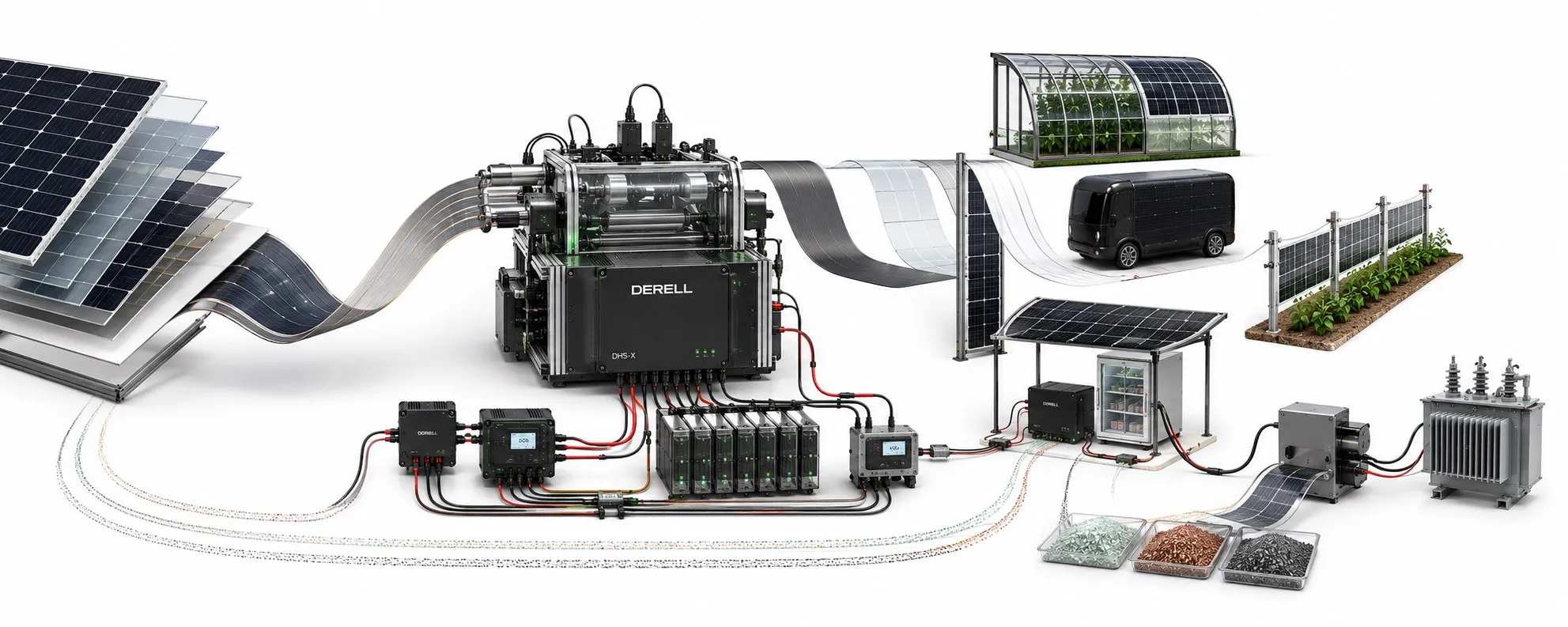
The future of solar energy is shaped by panels, storage, electricity networks and the way we use power. Solar panels generate electricity, while inverters make that power usable. Progress depends on delivering the energy where and when it is needed, at an affordable overall cost.
More efficient cells can produce more electricity from the same area. Emerging panel technologies include tandem structures that capture different parts of the light spectrum and cells using perovskite materials. However, a laboratory cell's efficiency is not the efficiency of a full-size commercial module. Alongside panel efficiency, long-term durability, manufacturing quality and cost determine practical value.
Real progress is measured in energy delivered on site. A higher nameplate rating may disappoint if shading, dirt, heat or incorrect connections reduce output. MPPT tracking, suitable panel placement and loss monitoring work together. To improve system energy performance, assess monthly and annual generation as well as instantaneous power.
Storage connects sunny hours with the hours when electricity is needed. Battery storage systems allow some daytime generation to be used in the evening. Using solar energy at night is already technically possible. However, shifting a few hours of generation and covering a prolonged cloudy period or a seasonal shortfall require solutions of very different sizes.
Battery power and battery energy are different specifications. kW describes the power that can be supplied at a given moment; kWh describes stored energy. Assuming all of it were available, 10 kWh could supply a constant 2 kW load for an ideal five hours. Actual duration depends on conversion losses, usable capacity and the battery's power limit. A large energy capacity does not mean every appliance can run simultaneously.
Night-time use and outage backup are separate capabilities. Standard photovoltaic panels do not generate useful solar electricity without sunlight at night. Having sunlight during the day also does not mean an ordinary grid-connected installation will power a home during a grid outage. Suitable backup equipment, grid isolation and controls are required.
Flexible consumption can reduce part of the storage requirement. Moving irrigation pumping, suitable industrial processes or vehicle charging into sunny hours can increase on-site use of solar generation. This is a form of demand management. Generation forecasts, meter data and automation make energy use easier to measure and coordinate.
Distributed generation does not automatically make a grid more resilient. Large numbers of rooftop systems can increase local generation while introducing reverse power flows, voltage changes and weather-related fluctuations. Powering a city with solar energy requires attention to hourly balance, network capacity and backup resources, as well as annual energy totals. Matching annual consumption does not establish independence at every hour.
Rooftop systems and large solar plants serve different needs. Solar farms can provide large-scale generation on suitable sites, while rooftops use existing space and produce electricity close to consumers. Both approaches can contribute to future deployment. Land use, connection capacity and maintenance access help determine which option fits a location.
Desert sunshine is a resource, rather than a complete global power system. Desert solar projects must account for dust, heat, cleaning water, long-distance transmission and ecosystem effects. A large area's theoretical energy potential does not demonstrate continuous delivery to every consumer. Estimating generating area and designing an operational energy system are separate tasks.
Floating solar depends heavily on the water environment. A lake or reservoir installation faces different conditions from floating panels on the ocean. Offshore projects must address waves, salt exposure, corrosion, mooring and difficult maintenance access. Their development depends on structural reliability and environmental assessment, alongside panel performance.
Solar power can contribute to fresh-water production. Solar-powered desalination is possible through approaches such as photovoltaic electricity supplying reverse osmosis. Providing energy does not solve every aspect of water scarcity, though. Water intake, membrane maintenance, concentrated brine management and distribution of the treated water remain part of the project.
Charging vehicles with solar electricity is a major practical application. When considering solar energy and vehicles, distinguish panels carried on a vehicle from charging through a rooftop solar installation. The limited area available on a vehicle constrains how much daily driving energy it can generate. Results depend on panel area, parking conditions, climate and vehicle consumption.
In aviation, low weight and mission requirements matter. Solar-powered drones are being explored for some long-duration observation and communications missions. Lightweight structures, large wing areas and low power demand can help. Overnight storage, wind conditions and payload must also be considered. The approach does not suit every type of flight equally well.
Generating electricity in space and delivering it to Earth are different objectives. Solar generation on the Moon could support local missions; large-scale transmission to Earth would require a separate system. Launching, assembly, energy transmission, receiving infrastructure and cost are major considerations. Discussions of solar-powered rockets must also distinguish electric propulsion in space from the energy and thrust requirements of launch from Earth.
Independent living takes more than adding panels. A sustainable life powered by solar energy requires electricity, heating, water, food, waste handling and maintenance to be planned together. Supplying a home's electricity and managing all resources within a closed life-support system are different goals. Greater independence can bring greater responsibility for backup and maintenance.
Economic value depends on the whole system. Falling panel prices do not reduce every project's cost by the same amount. Inverter costs, mounting structures, cables, protection, batteries and servicing must all be included. Investment payback depends on daytime consumption, financing and the value of electricity exported to the grid. One fixed payback period cannot describe every installation.
Environmental performance spans manufacturing to end of life. The environmental impact of solar systems includes material production, transport, land use and recovery of materials. Durable equipment and appropriate panel maintenance help an installation remain useful for longer. A good future project considers repairability and end-of-life management alongside electricity production.
Today's design decisions affect tomorrow's expansion. When selecting an inverter architecture, consider future storage, monitoring and panel additions. Appropriate system sizing involves electrical limits and possible growth, as well as today's loads. The future of solar energy requires better design and operation alongside better cells.