
What is WEEE Directive?
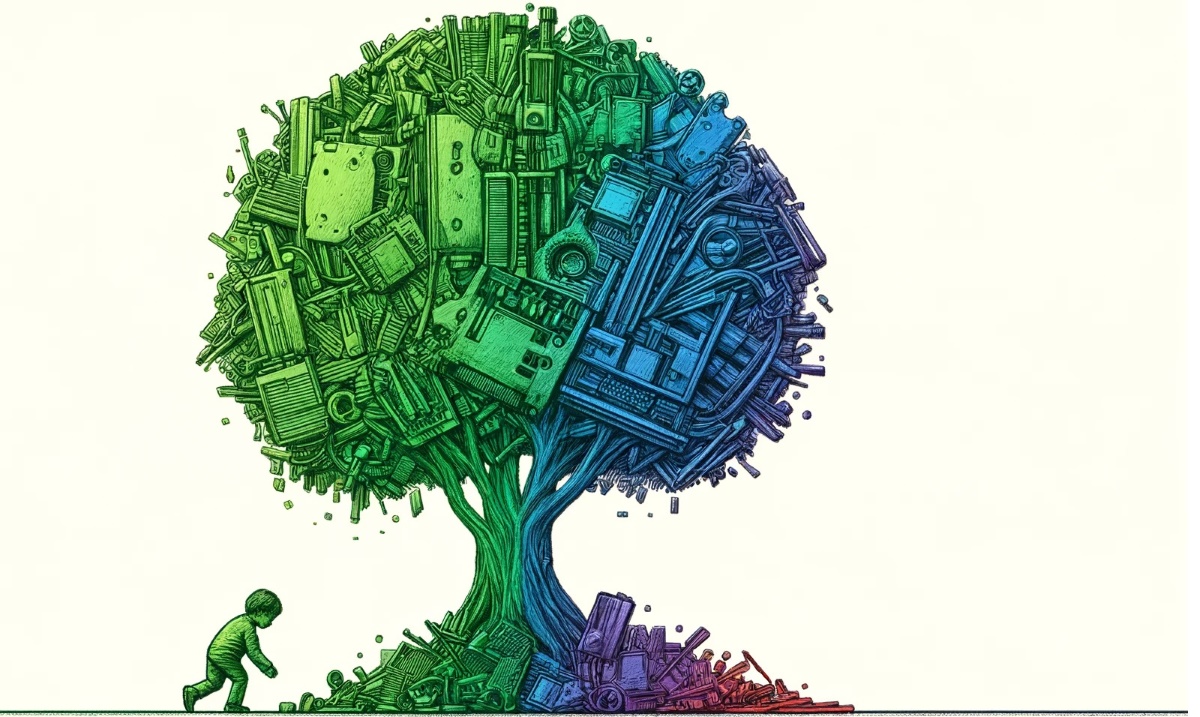
Hi everyone,
The Waste Electrical and Electronic Equipment (WEEE) Directive is a European Union (EU) legislation aimed at reducing the environmental impact of electrical and electronic equipment (EEE) waste. It was first introduced in 2003 as Directive 2002/96/EC and later revised in 2012 as Directive 2012/19/EU. The WEEE Directive is part of a broader legislative framework that includes the Restriction of Hazardous Substances (RoHS) Directive, which limits the use of certain hazardous substances in EEE.
Objectives of the WEEE Directive:
The main objectives of the WEEE Directive are to:
+ Promote the reuse, recycling, and other forms of recovery of WEEE to reduce the disposal of waste.
+ Improve the environmental performance of all operators involved in the life cycle of EEE, including producers, distributors, and consumers.
+ Contribute to sustainable production and consumption by establishing extended producer responsibility (EPR), which makes producers responsible for the end-of-life management of their products.
Scope of the WEEE Directive:
The WEEE Directive covers a wide range of electrical and electronic equipment, including but not limited to:
+ Household appliances (e.g., refrigerators, washing machines)
+ IT and telecommunications equipment (e.g., computers, smartphones)
+ Consumer electronics (e.g., TVs, radios)
+ Lighting equipment (e.g., fluorescent lamps)
+ Electrical and electronic tools (e.g., drills, saws)
+ Toys, leisure, and sports equipment
+ Medical devices (with some exceptions)
+ Monitoring and control instruments
Key Provisions of the WEEE Directive:
Collection Targets: The directive sets targets for the collection of WEEE, expressed as a percentage of the average weight of EEE placed on the market in the preceding years.
Treatment and Recycling: WEEE must be treated properly to remove hazardous substances and materials. The directive also sets targets for the recovery and recycling of materials from WEEE.
Extended Producer Responsibility (EPR): Producers of EEE are responsible for the financing and organization of the collection, treatment, and environmentally sound disposal of WEEE.
Registration and Reporting: Producers must register with national authorities and report the quantities of EEE placed on the market, as well as the quantities of WEEE collected and treated.
Consumer Information: Producers and distributors are required to provide information to consumers about the return and recycling of WEEE.
Challenges and Implementation:
Implementing the WEEE Directive poses several challenges, including the need for effective collection schemes, the development of recycling technologies, and the enforcement of regulations. The success of the directive also depends on the cooperation and coordination between various stakeholders, including producers, recyclers, consumers, and government authorities.
In conclusion, the WEEE Directive is a critical piece of legislation in the EU's efforts to promote the circular economy and reduce the environmental impact of electronic waste. By establishing responsibilities for producers and setting targets for the collection and recycling of WEEE, the directive aims to protect human health and the environment while encouraging sustainable production and consumption practices.
Your shopping cart is empty!