
What should I do if a pump overheats?
Hello valued colleagues,
If a pump is overheating, it's a sign that something is wrong. This could be due to a number of reasons such as a blockage, dry running, cavitation, or a motor defect, among others. Here are some steps you could follow if a pump overheats:
Shut It Down: First and foremost, turn off the pump as soon as you notice it overheating. This is to prevent any further damage to the pump and ensure safety. Never attempt to touch or fix an overheated pump immediately as it can lead to burns.
Cool Down: Allow the pump to cool naturally. Do not try to speed up the cooling process with water or any other liquid, as sudden cooling could lead to material stress and even cracks in some parts of the pump.
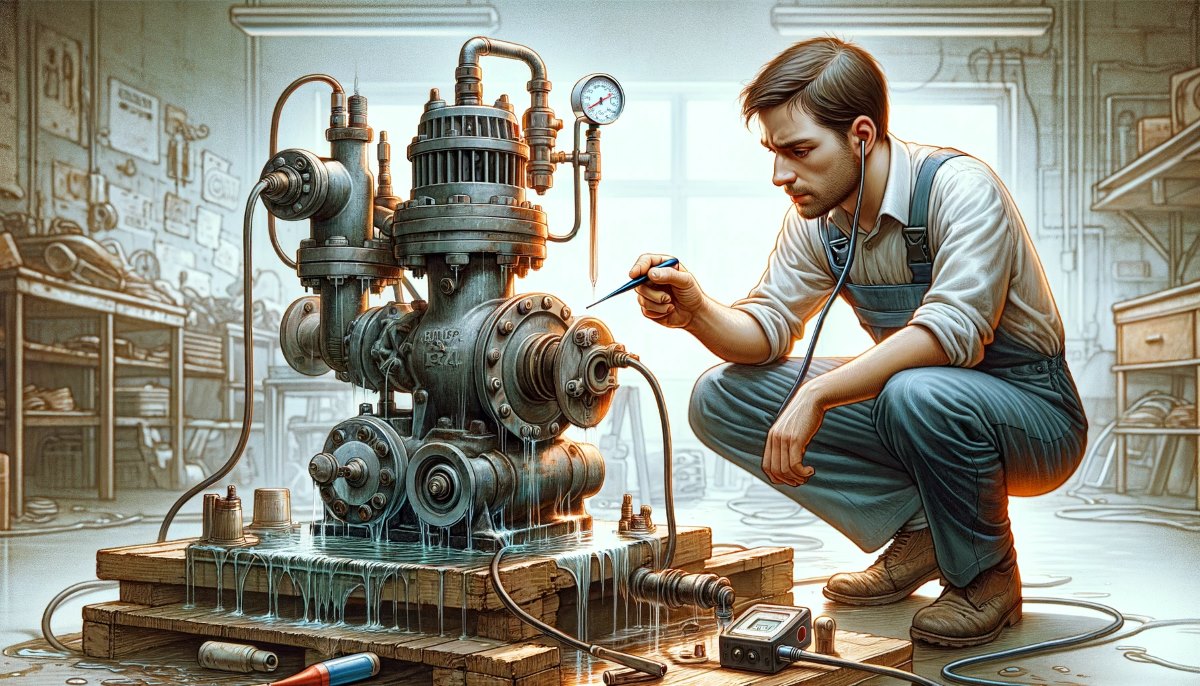
Inspect: Once the pump has cooled down, check for obvious issues. This could include blockages in the pump or piping, signs of dry running or cavitation (like noise or vibration), or a visibly damaged or leaking seal.
Maintenance/Repair: If you are capable, you can try to perform some basic maintenance. This might include clearing any blockages or replacing a broken seal. Always consult the pump's manual or manufacturer's guidelines before doing so.
Call a Professional: If you can't identify the problem or it's not something you can fix on your own, you should call a professional. Overheating can cause severe damage to a pump, and it's often a sign of an underlying problem that requires professional attention.
Regular Maintenance: To prevent overheating in the future, regular maintenance is key. This includes regularly checking the pump for any signs of wear or damage, ensuring it's properly lubricated, and replacing parts as necessary.
Remember, always prioritize safety when dealing with an overheating pump or any other machinery. If you're ever unsure, it's best to consult with a professional.
Expanding the potential of pump systems with illuminating questions that can come to mind about pump machines can be very exciting. On the other hand, the conveniences that neglected pumps bring to our life are undeniable. Some example questions from our visitors:"
- What exactly is a pump used for?
- What are the different functions of various pumps?
- What are the key components of a pump?
- What type of pumps should I choose for home use?
- How is the maintenance and repair of pumps conducted?
- What factors should be considered when selecting a pump?
- Which pumps are better in terms of energy efficiency?
- What are the differences between water pumps and oil pumps?
- What is the general durability and lifespan of a pump?
- What should I do if a pump overheats?
- Which brands should I prefer when buying a pump?
- What are the differences between industrial pumps and household pumps?
- How do I calculate the power of a pump?
- How do I identify a water pump failure and what should be done?
- How much does a pump cost and what type of expenses can arise?
- What are the advantages and disadvantages of portable pumps?
- How do I reduce a pump's energy consumption?
- What is the environmental impact of pumps?
- What is the noise level of a pump and how can it be reduced?
Your shopping cart is empty!