
What types of environments is the tachometer designed for?
Hello dear friends,
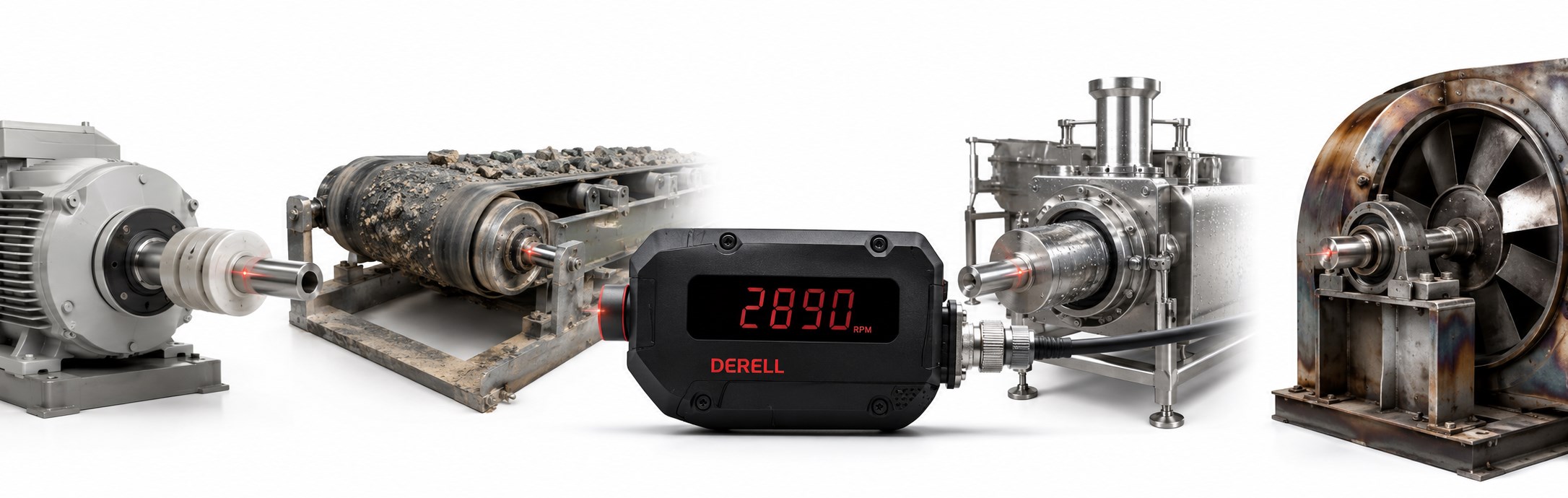
Tachometers are designed to operate in a variety of environments, ranging from controlled laboratory settings to harsh industrial conditions. The specific design and construction of a tachometer are tailored to suit the environmental conditions it is expected to encounter. The following are some common types of environments for which tachometers are designed:
Industrial Environments
High Temperature: Tachometers used in industries such as steel manufacturing or glass production must withstand high temperatures. They are often constructed with heat-resistant materials and may have cooling mechanisms to protect the electronics.
Dust and Debris: In environments like woodworking or mining, tachometers must be resistant to dust and debris. They may have sealed enclosures or protective covers to prevent contamination of the sensor or internal components.
Vibration: Machinery in industrial settings can produce significant vibrations. Tachometers for these environments are designed with robust mounting systems and vibration-damping materials to ensure accurate measurements.
Automotive and Aerospace Environments
Dynamic Conditions: Tachometers in automotive and aerospace applications must be able to accurately measure speeds under rapidly changing conditions. They are designed for quick response times and high precision.
Extreme Temperatures: These environments can expose tachometers to both high and low temperatures. Materials that can withstand temperature extremes and thermal insulation are used in their construction.
Moisture and Humidity: Tachometers in marine or outdoor automotive applications need to be resistant to moisture and humidity. Waterproof or water-resistant designs are common in these applications.
Laboratory and Research Environments
Precision and Accuracy: Tachometers used in research and laboratory settings are designed for high precision and accuracy. They often have advanced calibration features and are constructed with high-quality components.
Controlled Conditions: These tachometers are typically used in controlled environments, so they may not need the same level of protection against harsh conditions as industrial or automotive tachometers.
Outdoor and Field Environments
Portability: Tachometers used in fieldwork are designed to be portable and easy to use. They are often battery-powered and lightweight.
Environmental Protection: These tachometers must be able to withstand exposure to elements such as rain, wind, and sunlight. Durable materials and weather-resistant coatings are commonly used.
The design of a tachometer is heavily influenced by the environment in which it will be used. Factors such as temperature, moisture, dust, vibration, and the need for precision all play a role in determining the materials, construction, and features of the tachometer. When selecting a tachometer, it is essential to consider the specific environmental conditions it will encounter to ensure reliable and accurate performance.
Tachometers are widely used devices in both industrial automation and automotive industries for speed measurement and detection of mechanical losses. At this point, we have tried to discuss the questions and answers of our valued members about the Tachometer below.
- What is the measurement range of the tachometer?
- What is the accuracy and precision of the tachometer?
- What types of sensors does the tachometer support? (Optical, magnetic, mechanical, etc.)
- What types of output signals does the tachometer provide? (Analog, digital, frequency, etc.)
- What is the response time of the tachometer?
- What types of displays and indicators does the tachometer have? (LED, LCD, digital display, etc.)
- What is the installation and setup process of the tachometer?
- What industrial communication protocols does the tachometer support? (Modbus, Profibus, Ethernet/IP, etc.)
- What protection classes does the tachometer have? (IP protection class, impact resistance, etc.)
- What are the maintenance and service requirements of the tachometer?
- What types of environments is the tachometer designed for? (High temperature, humidity, dust, etc.)
- What applications can the tachometer be used in? (Motor speed control, conveyor belt speed measurement, etc.)
- What types of power sources are compatible with the tachometer? (Battery, AC/DC power supply, etc.)
- What are the fault detection and troubleshooting features of the tachometer?
- What accessories and additional components does the tachometer come with? (Sensors, cables, mounting hardware, etc.)
- What are the differences between analog and digital tachometers?
* These questions generally include the ones that may come to mind for many people regarding the "Tachometer and speed measuring systems" topic. Each user or student will have their specific questions depending on a particular situation or application. The answers are not binding and do not express absolute certainty. There is no objection to sharing our article above, citing it as a source. 01.2022

Your shopping cart is empty!