
what is PG card?
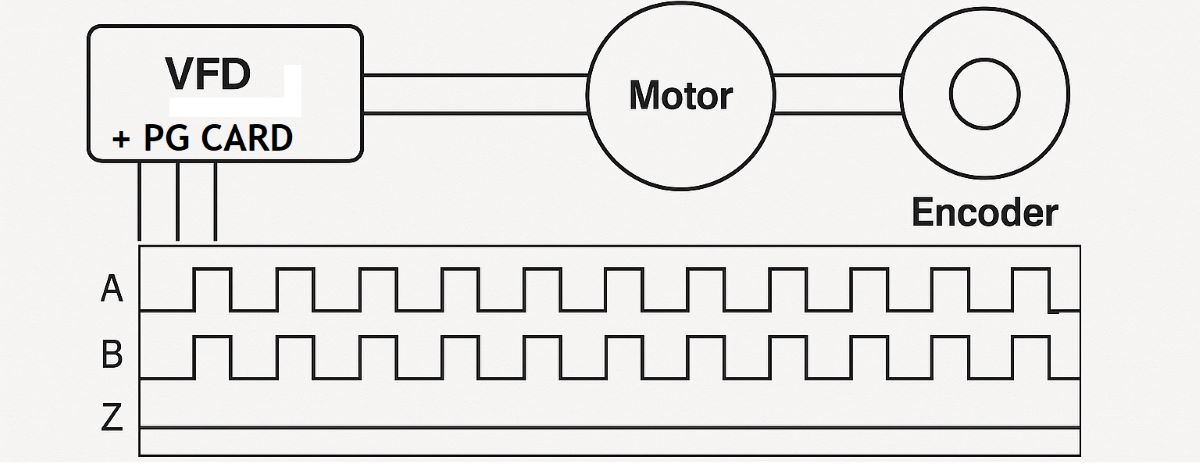
A PG card, or Programmable Gateway card, is a type of computer hardware that is used to interface with and control various types of industrial equipment. It is typically used in automation and control systems to communicate with and control devices such as motors, sensors, and actuators.
A PG card typically consists of a processor, memory, and input/output (I/O) interfaces that allow it to communicate with other devices in the system. It is programmed with software that defines how it should communicate with and control the other devices in the system.
There are many different types of PG cards available, each designed to work with specific types of industrial equipment and communication protocols. Some common examples of PG cards include:
Modbus PG cards: These cards are used to communicate with devices that use the Modbus protocol, a widely used communication protocol in industrial automation systems.
EtherCAT PG cards: These cards are used to communicate with devices that use the EtherCAT protocol, a high-speed, real-time communication protocol used in industrial automation systems.
CANopen PG cards: These cards are used to communicate with devices that use the CANopen protocol, a communication protocol used in industrial automation and control systems.
PG cards are used in a wide range of industries and applications, including manufacturing, energy, and transportation. They are an important component of many industrial automation and control systems, helping to ensure reliable communication and control of the equipment in these systems.
An encoder PG card, or Programmable Gateway card, is a type of computer hardware that is used to interface with and control encoders in an industrial automation system. An encoder is a type of device that is used to measure the position, velocity, or angle of a rotating or linear object. It typically consists of a sensor and a processor that converts the sensor's output into a digital signal that can be read by a control system.
An encoder PG card is used to interface with the encoder and provide a way for the control system to communicate with and control the encoder. It typically consists of a processor, memory, and input/output (I/O) interfaces that allow it to communicate with the encoder and other devices in the system. It is programmed with software that defines how it should communicate with and control the encoder and other devices in the system.
There are many different types of encoder PG cards available, each designed to work with specific types of encoders and communication protocols. Some common examples of encoder PG cards include:
SSI encoder PG cards: These cards are used to communicate with encoders that use the SSI (Synchronous Serial Interface) protocol, a widely used communication protocol in industrial automation systems.
Profinet encoder PG cards: These cards are used to communicate with encoders that use the Profinet protocol, a high-speed, real-time communication protocol used in industrial automation systems.
EnDat encoder PG cards: These cards are used to communicate with encoders that use the EnDat protocol, a communication protocol used in industrial automation and control systems.
Encoder PG cards are used in a wide range of industries and applications, including manufacturing, energy, and transportation. They are an important component of many industrial automation and control systems, helping to ensure reliable communication and control of encoders in these systems.
Your shopping cart is empty!