
What are the different functions of various pumps?
Hello valued colleagues,
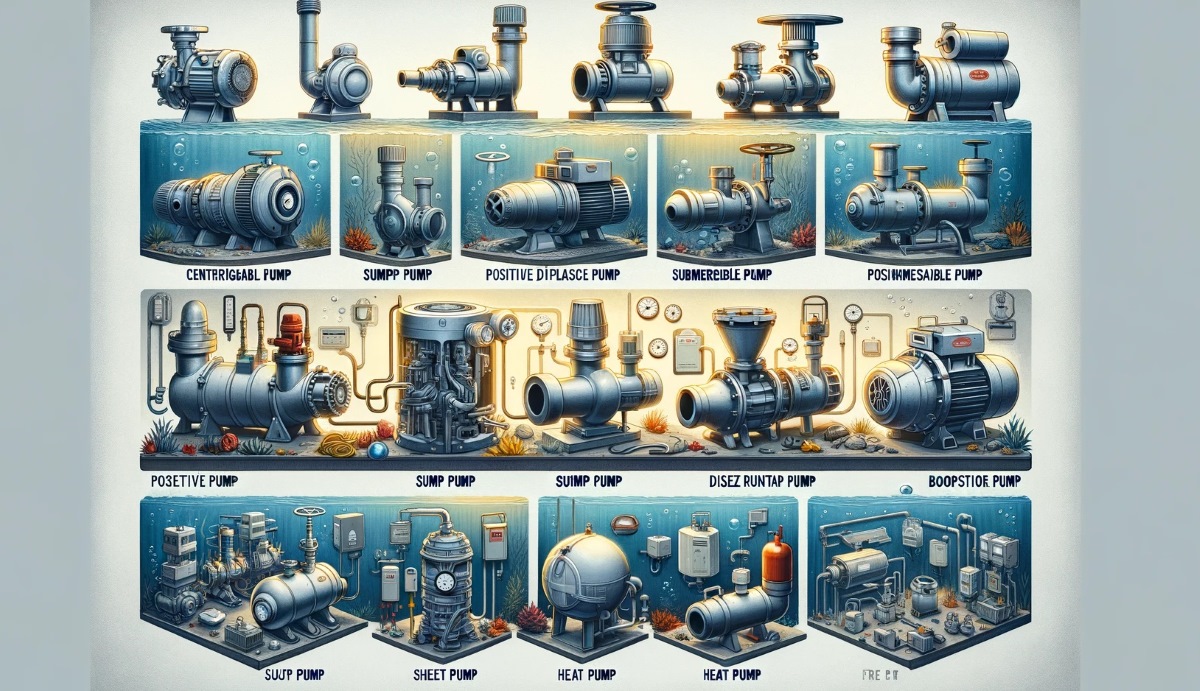
Pumps can serve various functions depending on their design, construction, and application. Here are a few examples of different types of pumps and their specific functions:
Centrifugal Pumps: These are the most commonly used pumps and they are typically used for pumping water in homes, buildings, and industries. Centrifugal pumps use a rotating impeller to move water or other fluids.
Submersible Pumps: These pumps are designed to function while fully submerged in the fluid they are pumping. They are commonly used in water wells, sewage systems, and for pumping water out of flooded areas.
Positive Displacement Pumps: This type of pump moves fluid by repeatedly enclosing a fixed volume and moving it mechanically. They are often used in applications that require high pressure or a constant flow, like in oil or chemical industries.
Diaphragm Pumps: These are a type of positive displacement pump that uses a combination of the reciprocating action of a diaphragm and suitable valves on either side of the diaphragm to pump a fluid. They are often used for pumping hazardous or corrosive fluids in chemical industries.
Peristaltic Pumps: This type of pump is often used in medical applications, as it allows for sterile and precise fluid movement. The fluid is contained within a flexible tube fitted inside a circular pump casing.
Vacuum Pumps: Vacuum pumps remove gas molecules from a sealed volume to create a vacuum. They are commonly used in industries like pharmaceuticals, petrochemicals, and food processing.
Sump Pumps: These pumps are used to remove accumulated water in a sump basin, commonly found in the basement of homes. The water may enter via the perimeter drains of a basement waterproofing system.
Booster Pumps: These pumps are used to increase the pressure of the liquid that is already flowing in a system. They are commonly used in water systems to ensure sufficient water pressure.
Fuel Pump: Used in vehicles to pump fuel from the tank to the engine. Some are mechanically driven, but most modern vehicles use electric fuel pumps.
Fire Pump: These are high-pressure water pumps designed to increase the fire fighting capacity of a building by boosting the pressure in the hydrant service when mains is not enough.
Each type of pump is designed to serve a specific purpose or handle a particular type of fluid and pressure conditions. The selection of a pump in any application should be based on these criteria.
Expanding the potential of pump systems with illuminating questions that can come to mind about pump machines can be very exciting. On the other hand, the conveniences that neglected pumps bring to our life are undeniable. Some example questions from our visitors:"
- What exactly is a pump used for?
- What are the different functions of various pumps?
- What are the key components of a pump?
- What type of pumps should I choose for home use?
- How is the maintenance and repair of pumps conducted?
- What factors should be considered when selecting a pump?
- Which pumps are better in terms of energy efficiency?
- What are the differences between water pumps and oil pumps?
- What is the general durability and lifespan of a pump?
- What should I do if a pump overheats?
- Which brands should I prefer when buying a pump?
- What are the differences between industrial pumps and household pumps?
- How do I calculate the power of a pump?
- How do I identify a water pump failure and what should be done?
- How much does a pump cost and what type of expenses can arise?
- What are the advantages and disadvantages of portable pumps?
- How do I reduce a pump's energy consumption?
- What is the environmental impact of pumps?
- What is the noise level of a pump and how can it be reduced?
Your shopping cart is empty!