
What does an uninterruptible power supply do?
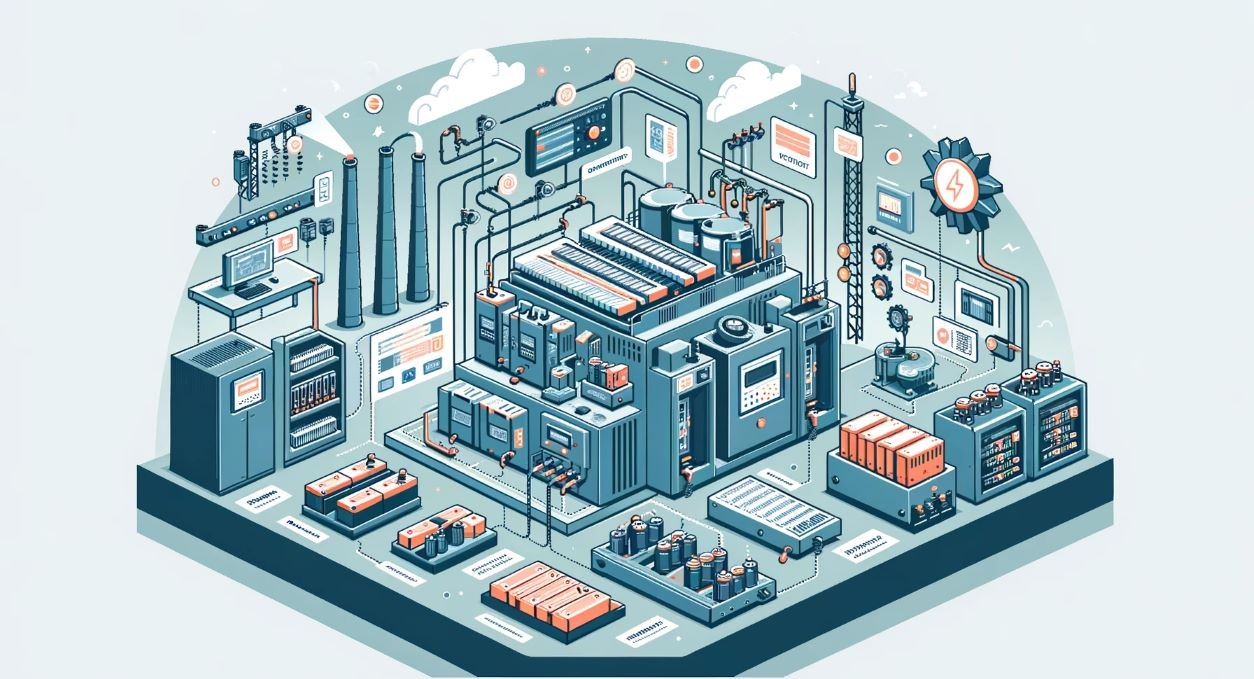
Uninterruptible Power Supply (UPS) is a critical technology that has become an indispensable part of modern life, ensuring the safety of electronic devices. It comes into play especially during power outages, fluctuations, or voltage drops, providing a stable and continuous power supply to connected devices. The primary purpose of a UPS is to provide temporary energy to electronic devices during such unexpected events, allowing systems to continue operating without interruption and eliminating serious risks such as data loss and equipment damage.
A UPS system typically consists of several key components: a battery, inverter, charger, and control circuits. When the main power source is functioning normally, the UPS continuously charges its battery and transfers the obtained energy to the connected devices. However, when a power outage occurs or there are fluctuations in the electrical current, the UPS instantly switches to battery power. This transition is so fast that connected devices do not notice the change, ensuring a seamless flow of energy. Thanks to this feature, unwanted situations such as critical data loss, expensive equipment damage, or complete system shutdown are prevented.
UPS systems have a wide range of applications. Computers, servers, network devices, medical equipment, industrial machines, and telecommunication systems can operate safely thanks to the protection provided by UPS systems. Especially in systems that need to operate continuously, such as medical devices and data centers, the importance of a UPS is even greater. These devices play an essential role in protecting critical data and ensuring safety.
UPS systems come in different sizes and capacities according to user needs. Small-scale models are ideal for protecting personal computers and small office equipment for home users. On the other hand, large-scale UPS systems can support an entire data center or factory. These large systems ensure that all operations continue safely even during extended power outages. Additionally, some industrial UPS systems are specifically designed for heavy machinery and complex production lines, helping industrial operations to proceed without interruption.
UPS technology not only provides protection against power outages but also performs advanced functions such as voltage regulation, frequency stabilization, and power filtering. In this way, grid-induced fluctuations and electrical noise are eliminated, and connected devices are supplied with a cleaner and more stable power source. This extends the lifespan of the equipment and enhances their performance.
In conclusion, the Uninterruptible Power Supply (UPS) is not just a power backup device but also a protective shield that ensures the safety of electronic devices and business continuity. In a world where technology is so pervasive, UPSs provide a reliable power source in every area from homes to workplaces, healthcare facilities to industrial plants, contributing to the seamless and secure continuation of modern life.
Your shopping cart is empty!