
Should we build solar farms?
Hello, friends of solar energy,
* Instead of roofs on our houses, why don't we construct dedicated buildings or solar farms with solar panels on a larger scale?
The idea of constructing large-scale solar farms or dedicated buildings with solar panels is not new, and in fact, it's a practice that's already widespread. These large-scale installations, often known as solar farms or solar parks, are a common way to generate significant amounts of renewable energy. They're usually installed in areas with a lot of unused or low-value land, such as deserts or agricultural fields with low productivity.
However, there are several reasons why solar panels are also installed on the roofs of individual buildings:
Decentralized energy production: Having solar panels on buildings allows for decentralized energy production. This means that the electricity is produced at the location where it is consumed, reducing energy losses that occur when electricity is transmitted over long distances.
Utilizing existing structures: Installing solar panels on roofs utilizes structures that already exist, reducing the need for additional land. This is particularly important in urban areas where available land is often scarce or expensive.
Reduced energy costs and grid dependence: Solar panels can help building owners reduce their energy bills and decrease their dependence on the electrical grid. In some cases, they can even sell excess energy back to the grid.
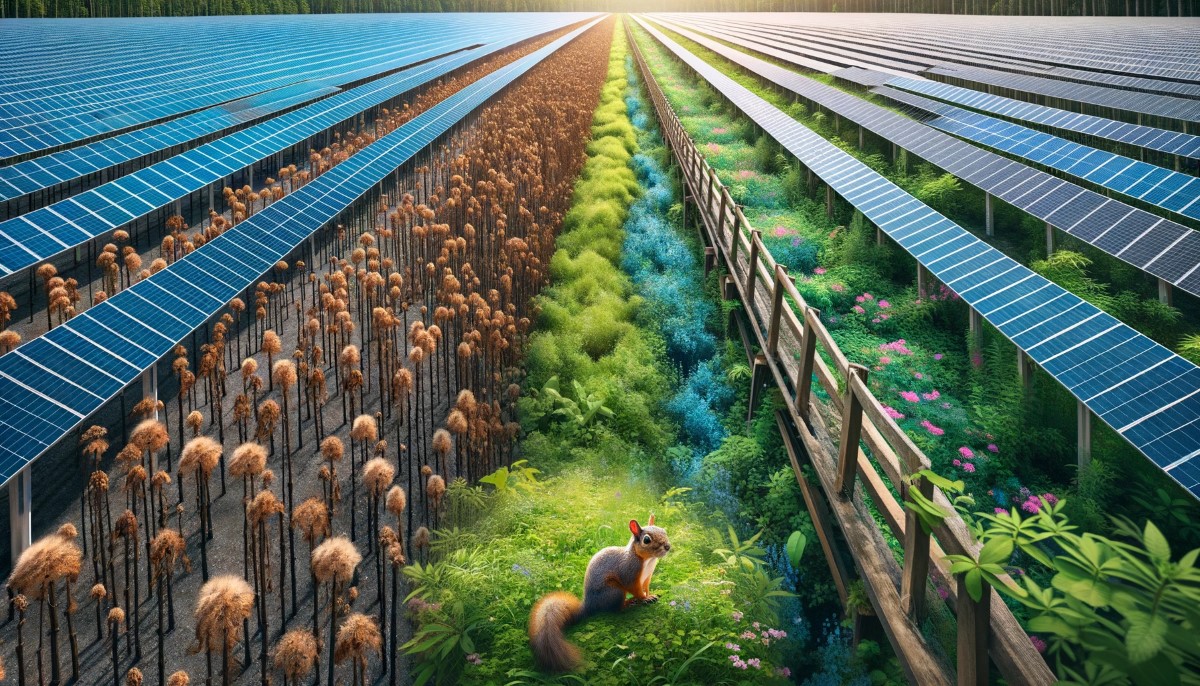
Environmental impact: Large-scale solar farms can have significant environmental impacts, including habitat disruption for local wildlife and increased land use. Roof-mounted solar panels have a smaller footprint and generally less environmental impact.
Regulatory and policy incentives: Many governments offer incentives, such as tax credits or feed-in tariffs, to encourage homeowners and businesses to install solar panels.
Resilience and energy security: In the event of power outages or grid failures, buildings with their own solar panels (especially those paired with energy storage) can continue to have access to power.
While both large-scale solar farms and rooftop solar panels have their own advantages and challenges, they can coexist as part of a diverse and resilient energy mix. By using a variety of approaches to harness solar energy, we can make the best use of this renewable resource.
Expanding the potential of solar energy and solar systems with interesting and speculative questions can be quite exciting. Here are some examples:
- Could we create rockets powered by solar energy?
- Instead of roofs on our houses, why don't we construct dedicated buildings or solar farms with solar panels on a larger scale?
- Could we meet the energy needs of the entire world by installing gigantic solar panels in large desert areas?
- Could high altitudes, which receive more sunlight compared to the Earth's surface, be suitable for solar panel-equipped drones that can stay in the air indefinitely and generate electricity?
- Could we install solar panels on the moon or other planets and generate energy? How could we transmit this energy back to Earth?
- Could we install large-scale floating solar panels on oceans?
- Could a solar-powered seawater desalination system turn saltwater into freshwater, potentially solving the global water crisis?
- With large-scale energy storage solutions, could we develop the technology needed to use solar energy throughout the night?
- Could we make a city entirely energy-independent using solar energy?
- Could we create a completely independent biosphere supporting sustainable living powered by solar energy?
-How about I put a solar panel on the roof of my car?
+ Solar system main page -These types of questions provide an interesting starting point to think about what kinds of applications and advancements solar energy and solar systems could bring in the future. As technology progresses rapidly, even ideas that seem speculative today might become reality. The answers are not binding or entirely definitive. "You are welcome to share the article above, as long as you provide the appropriate attribution.02/2020"
Your shopping cart is empty!