
How can we generate hydroelectric energy outside of the water cycle?
Hello, dear friends,
Hydroelectric energy is traditionally generated by harnessing the natural flow of water in rivers or from rainfall through the water cycle. However, obtaining hydroelectric energy outside of the natural water cycle involves innovative approaches that leverage other sources or mechanisms to move water. In this detailed exploration, we will examine some of the alternative methods to generate hydroelectric energy beyond the conventional water cycle.
1. Desalination and Hydroelectric Energy:
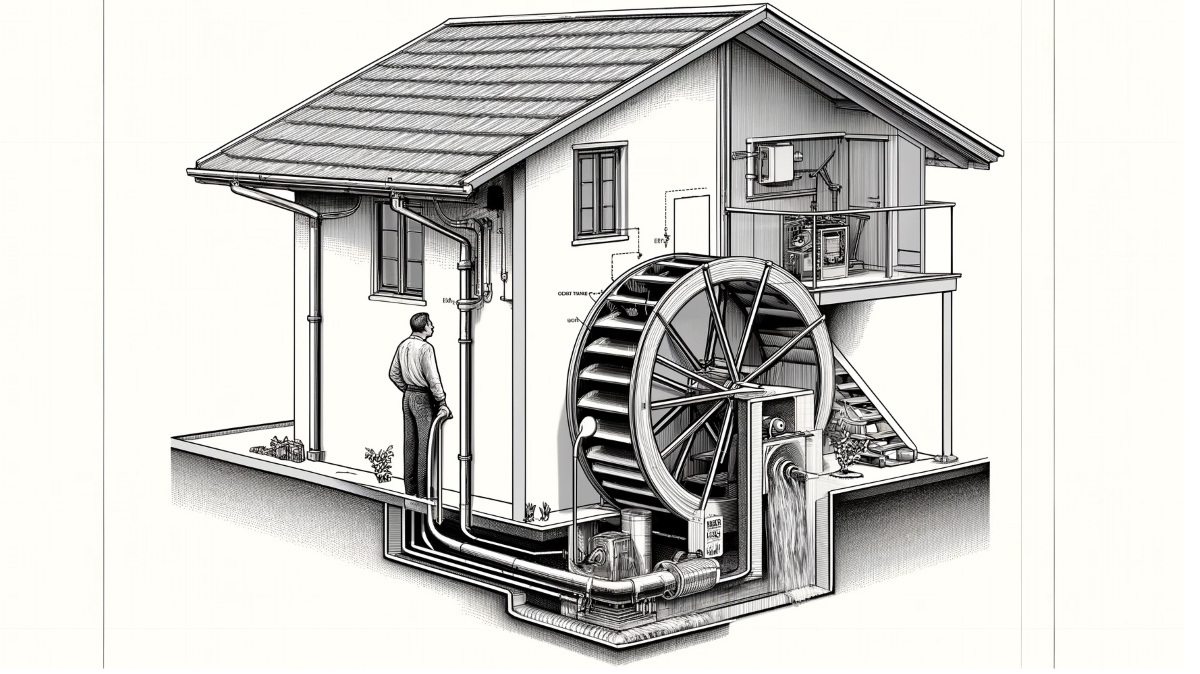
Desalination plants, which convert seawater into fresh water, can be integrated with hydroelectric systems. The high-pressure water generated during the reverse osmosis process in desalination can be used to drive turbines, generating electricity. This approach not only produces fresh water but also harnesses the energy potential of the pressurized water.
2. Tidal and Wave Energy:
Tidal and wave energy systems capture the kinetic energy of ocean currents, tides, and waves. Although not strictly outside the water cycle, these systems utilize the gravitational pull of the moon and the sun, along with wind energy, to generate electricity. Tidal barrage systems and wave energy converters can be seen as extensions of hydroelectric energy, harnessing the power of the sea.
3. Pumped-Storage Hydroelectricity:
Pumped-storage hydroelectricity (PSH) is a method of storing energy by pumping water from a lower reservoir to an upper reservoir during periods of low energy demand. When energy demand is high, the water is released back down to the lower reservoir through turbines, generating electricity. This process is independent of the natural water cycle and can be used to balance the grid and store excess energy from other renewable sources like wind or solar.
4. Rainwater Harvesting for Hydroelectricity:
Collecting rainwater in large reservoirs and then using it to generate hydroelectric power is another approach. While this method still relies on the water cycle for the initial collection of water, the controlled release and generation of electricity can be managed independently of natural rainfall patterns.
5. Artificial Water Circulation Systems:
Creating artificial water circulation systems that mimic natural water flow can be another way to generate hydroelectric energy. For example, a closed-loop system with a continuous flow of water between two reservoirs at different elevations can be used to drive turbines. This method requires an initial input of energy to set the water in motion but can generate electricity continuously once the system is operational.
6. Utilizing Wastewater:
Wastewater treatment plants often have significant flows of water. By integrating hydroelectric turbines into the infrastructure of these plants, it is possible to generate electricity from the movement of wastewater. This approach not only provides an additional source of energy but also helps in the sustainable management of wastewater.
7. Hybrid Systems with Other Renewable Energies:
Hydroelectric systems can be combined with other renewable energy sources, such as solar or wind, to create hybrid systems. For example, solar panels can be used to power pumps that move water to higher elevations, where it can then be released to generate hydroelectric power.
In conclusion, while the natural water cycle is a primary source for hydroelectric energy, there are several innovative methods to generate this type of energy outside of the conventional cycle. These approaches involve utilizing alternative water sources, integrating with other renewable energies, and leveraging technological advancements to create sustainable and efficient hydroelectric systems. As research and development in this area continue, we can expect to see more creative solutions that expand the potential of hydroelectric energy beyond the traditional water cycle.
"Renewable energy is more than just a hobby or curiosity; it is a 'necessity.' Whether we are aware of it or not, we have recklessly consumed/consume the world's resources. The point we have reached is beyond the threshold of return. Below, we have tried to answer questions of varying levels about renewable energy that have come from you."
- Which sources are considered renewable energy?
- How is solar energy generated and utilized?
- How does wind energy work and how is it used for electricity generation?
- How is hydroelectric energy produced, and what are its environmental impacts?
- What is geothermal energy, and how is it extracted?
- How does tidal energy work, and what are tidal power plants?
- What is biomass energy, and how is it obtained?
- What are the advantages of renewable energy sources compared to fossil fuels?
- What recent advancements have been made in the technologies used for renewable energy production?
- How are energy storage methods employed in renewable energy production?
- How is the integration of renewable energy into power grids achieved?
- What are the economic impacts of using renewable energy?
- How are renewable energy policies and incentives implemented globally?
- What are the expected future developments in the field of renewable energy?
- Can we harness solar energy beyond photons?
- Are flying wind energy collectors a possibility instead of traditional wind turbines?
- Can we develop a quantum computer powered by renewable energy?
- How can we generate hydroelectric energy outside of the water cycle?
- Is it feasible to use geothermal energy on Mars?
- Can we match tidal energy with tidal forces in space?
- How can we enhance biomass energy with synthetic organisms?
- Is it possible to utilize black holes for renewable energy production?
- Can antimatter be used for renewable energy generation?
- Can we illuminate a galaxy with energy from renewable sources?
Your shopping cart is empty!