
Cybersecurity in Blockchain and Automation systems?
Hello friends,
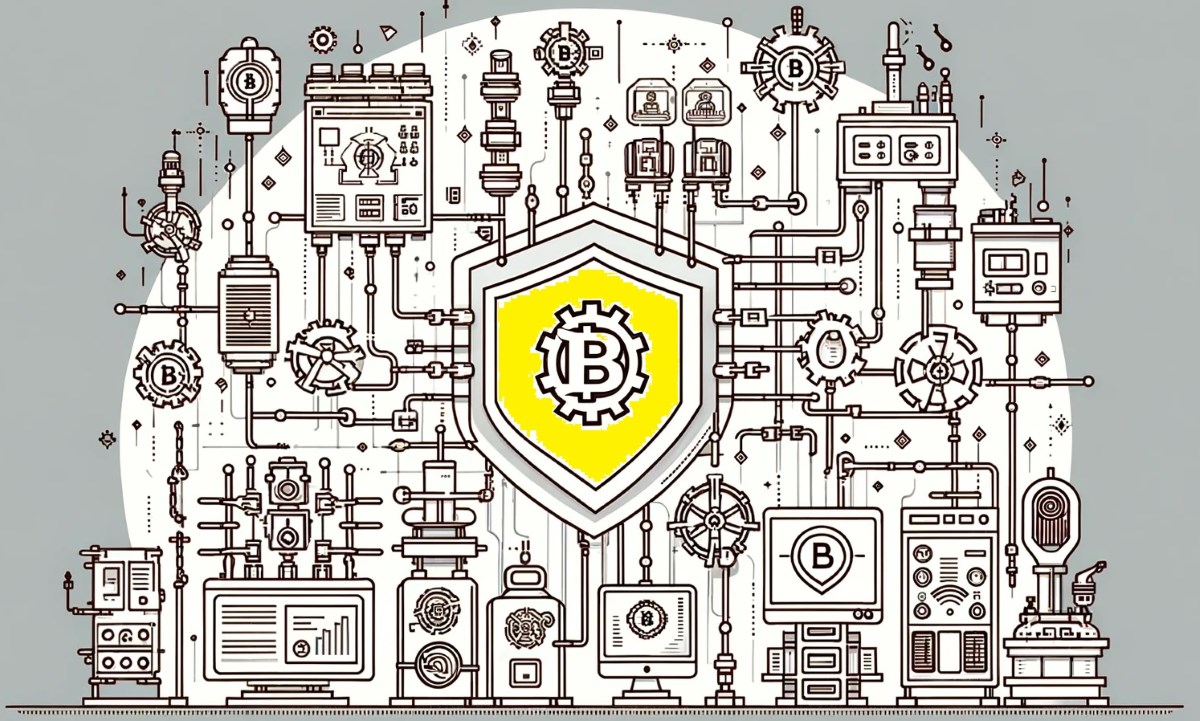
Blockchain technology offers a unique set of features that can enhance cybersecurity in industrial automation systems. These systems are increasingly becoming targets for cyber-attacks due to their critical role in manufacturing, energy, and other sectors. Here's how blockchain can provide protection against cyber threats in industrial automation:
Decentralization: Traditional cybersecurity models often rely on centralized control points, which can be vulnerable to single points of failure. Blockchain's decentralized nature distributes data across multiple nodes, making it more resilient to attacks that target centralized systems.
Immutability: Once data is recorded on a blockchain, it cannot be altered or deleted without consensus from the network. This immutable record-keeping prevents tampering with historical data, ensuring the integrity and reliability of the information stored in the system.
Encryption and Cryptography: Blockchain employs advanced cryptographic techniques to secure data transactions. Each block in the chain is linked to the previous one through cryptographic hashes, making it extremely difficult for hackers to alter the chain without detection.
Transparency and Auditability: The transparent nature of blockchain allows for real-time monitoring and auditing of transactions. This visibility helps in the early detection of suspicious activities, enabling timely responses to potential threats.
Smart Contracts for Security Policies: Smart contracts can automate the enforcement of security policies and protocols in industrial automation systems. For example, they can be programmed to grant access rights, validate device firmware updates, or trigger alerts in case of abnormal activities.
Access Control and Identity Management: Blockchain can provide a secure and decentralized framework for identity management and access control. By using blockchain-based digital identities, the system can ensure that only authorized devices, personnel, and software can interact with the industrial automation network.
Data Integrity: Blockchain's ability to maintain an unalterable record of data transactions ensures the integrity of the data used in industrial automation systems. This is crucial for maintaining operational reliability and preventing data tampering.
Resilience to Distributed Denial of Service (DDoS) Attacks: The decentralized architecture of blockchain makes it inherently resistant to DDoS attacks, which often target centralized servers. By distributing the network across multiple nodes, blockchain reduces the impact of such attacks.
Supply Chain Security: In industrial automation, blockchain can secure the supply chain of hardware and software components. It provides a transparent and tamper-proof record of the origin, authenticity, and integrity of components used in automation systems.
Collaborative Security: Blockchain enables secure and transparent information sharing among different stakeholders in the industrial automation ecosystem. This collaborative approach to security can enhance threat detection and response by leveraging collective intelligence and resources.
In conclusion, blockchain technology can provide a robust layer of protection against cyber threats in industrial automation systems. Its features like decentralization, immutability, encryption, and smart contracts contribute to enhancing cybersecurity in various aspects of industrial automation. However, it is important to note that blockchain is not a panacea for all security challenges, and it should be integrated with other cybersecurity measures to achieve comprehensive protection.
Although it seemed like a mysterious technology for a while, it's clear that blockchain technologies have permanently entered our lives. To put an end to the misinformation on this subject and to discuss how blockchain products, including Bitcoin, can be useful for us, we have opened the following questions for discussion in light of your inquiries.
+ What does Blockchain do in our daily life?
- What is blockchain technology?
- How does blockchain work?
- What is the difference between Bitcoin and blockchain?
- What are the advantages of blockchain?
- Is blockchain secure?
- How is blockchain used?
- In which sectors is blockchain used?
- How does blockchain protect data?
- Are there any disadvantages of blockchain?
- What impact will blockchain have in the future?
- Can blockchain transactions be reversed?
- Who is in the blockchain network?
- What are the environmental impacts of blockchain?
- How can blockchain technology be scaled?
- What are the most common misconceptions about blockchain?
Blockchain and Industrial automation
- How can blockchain technology enhance the security of industrial automation systems?
- How can blockchain be used for data exchange between Industrial IoT (IIoT) devices?
- How can blockchain improve industrial supply chain management?
- What are the advantages of blockchain-based smart contracts in industrial automation systems?
- How can blockchain be used to ensure industrial data integrity?
- How does blockchain technology provide protection against cybersecurity threats in industrial automation systems?
- How can blockchain be integrated for real-time data monitoring and analysis in industrial automation systems?
- What is the impact of blockchain technology on the performance of industrial automation systems?
- What is the cost-effectiveness of using blockchain in industrial automation systems?
- How does blockchain technology affect the scalability and flexibility of industrial automation systems?
- What technical challenges exist in implementing blockchain-based solutions in the field of industrial automation?
- How can blockchain be used to protect data privacy in industrial automation systems?
- How can standardization of blockchain-based protocols in industrial automation projects be achieved?
- How does blockchain technology facilitate data sharing and collaboration in industrial automation systems?
- What does the future of blockchain integration in industrial automation systems look like?
* These questions generally encompass the kind of questions that can come to mind for many people on the subject of Blockchain.
Each user or student will have their own unique interpretation or
question depending on a specific situation or application. The answers
given are not binding and are not definitive. "There is no harm in sharing our article above by citing it as a source." 08.2021
Your shopping cart is empty!