
What is the noise level of a pump and how can it be reduced?
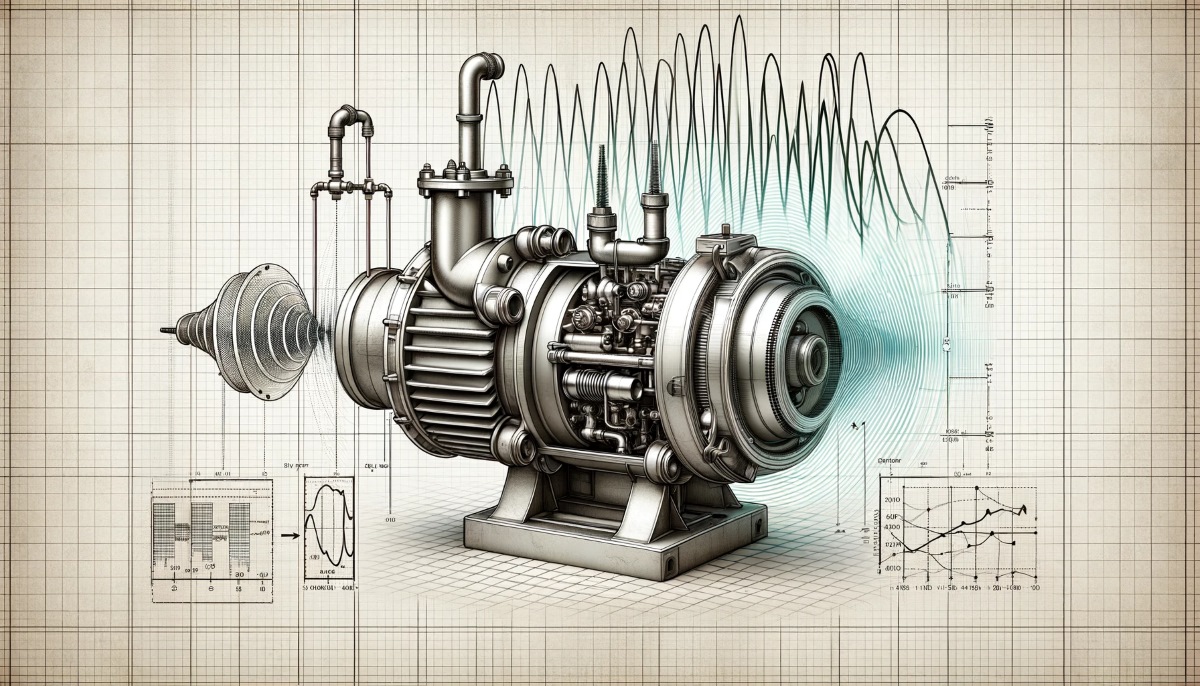
Hello valued colleagues,
The noise level of a pump can vary widely based on the type and size of the pump, its operation condition, and how it's installed. Noise can be measured in decibels (dB). Many pumps will operate at around 60-90 dB, but it can go higher if the pump is particularly large or is in poor condition.
The noise generated by pumps is often due to mechanical vibrations, fluid turbulence, cavitation, and operational inefficiencies. To reduce the noise level of a pump, consider the following methods:
Reducing Vibrations: Noise can be reduced by minimizing the vibration of the pump. This can be done through careful installation and maintenance to ensure alignment, balancing, and good condition of parts. Anti-vibration mounts and padding can also help to reduce the transmission of vibrations to the surrounding environment.
Cavitation Control: Cavitation is a common source of noise in pumps and happens when the pressure of the fluid being pumped falls below its vapor pressure, creating vapor bubbles that collapse when they move to areas of higher pressure. The collapse of these bubbles can cause noise and can damage the pump. Cavitation can be controlled by ensuring the pump is properly sized and operated within its intended range.
Optimal Operation: Operating the pump within its optimal range can help reduce noise. Running the pump at high or low extremes of its operational range can increase the noise levels and cause damage to the pump.
Sound Insulation: Using sound insulation materials around the pump can help absorb some of the noise before it reaches the surrounding environment.
Regular Maintenance: Regular maintenance can help to ensure that the pump is operating smoothly and not producing excessive noise due to worn parts or poor lubrication.
Fluid Dynamics: Using flow control devices to maintain smooth flow can reduce turbulence and associated noise.
Equipment Upgrade: In some cases, replacing older equipment with newer, more efficient models may be the best way to reduce noise.
Remember, while reducing the noise of a pump can improve the working environment, it's also crucial to consider safety. Always ensure that any modifications or maintenance to the pump are performed in a safe manner and that the pump is operating as intended.
Expanding the potential of pump systems with illuminating questions that can come to mind about pump machines can be very exciting. On the other hand, the conveniences that neglected pumps bring to our life are undeniable. Some example questions from our visitors:"
- What exactly is a pump used for?
- What are the different functions of various pumps?
- What are the key components of a pump?
- What type of pumps should I choose for home use?
- How is the maintenance and repair of pumps conducted?
- What factors should be considered when selecting a pump?
- Which pumps are better in terms of energy efficiency?
- What are the differences between water pumps and oil pumps?
- What is the general durability and lifespan of a pump?
- What should I do if a pump overheats?
- Which brands should I prefer when buying a pump?
- What are the differences between industrial pumps and household pumps?
- How do I calculate the power of a pump?
- How do I identify a water pump failure and what should be done?
- How much does a pump cost and what type of expenses can arise?
- What are the advantages and disadvantages of portable pumps?
- How do I reduce a pump's energy consumption?
- What is the environmental impact of pumps?
- What is the noise level of a pump and how can it be reduced?
Your shopping cart is empty!