
Where is analog use?
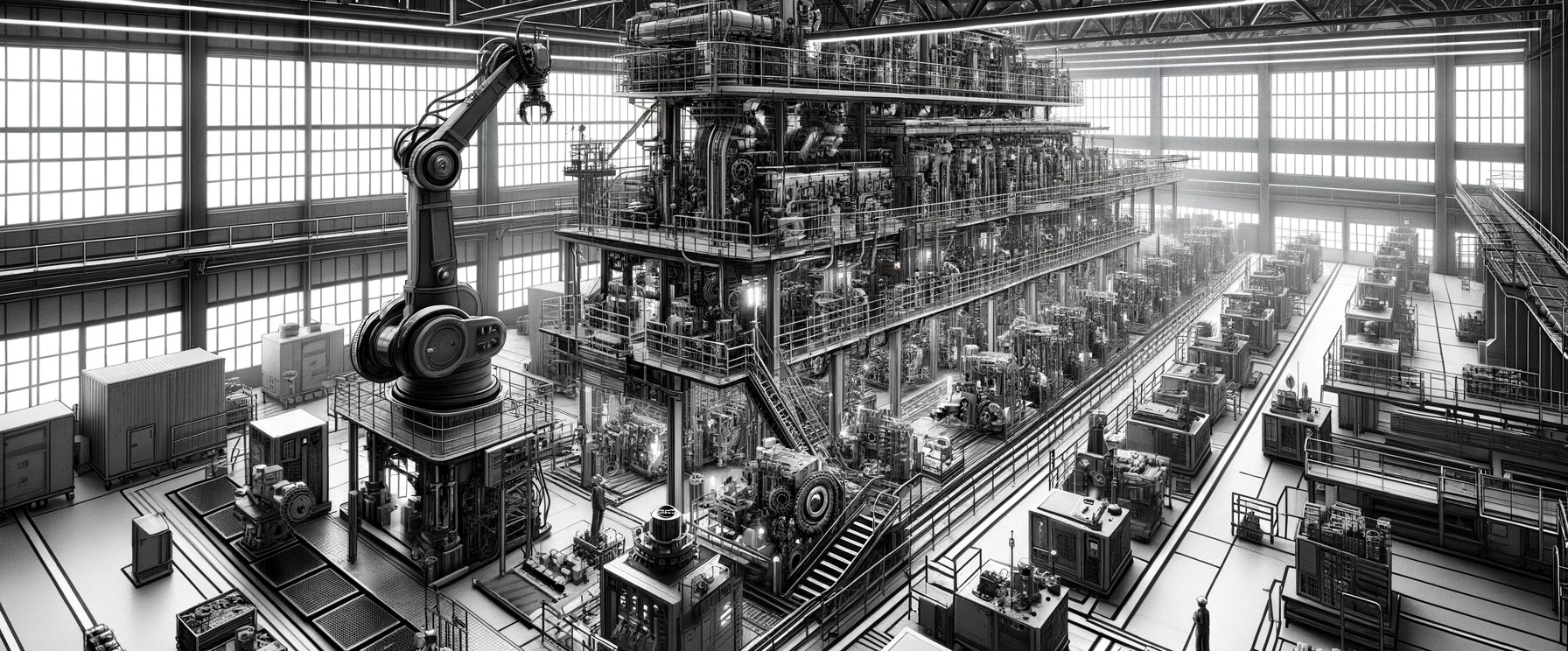
Analog control is used in a wide range of applications in various industries. It allows a variable signal to be used to control items such as motor speed, temperature, fluid levels, and other inputs. There are different types of analog control, including digital-to-analog (D-A) control, analog-to-digital (A-D) control, and temperature control.
In D-A control, a digital value is output from a PLC as an analog signal. This can be used to control the speed of a motor by sending a speed command to an inverter, for example.
In A-D control, a variable signal is sent to a PLC, where it is converted into a direct digital value. This can be used, for instance, to measure the level of a liquid in a storage tank so that the exact amount of stored liquid can be controlled by the PLC.
Temperature control is another type of analog control, where the temperature of a furnace, for instance, is measured and compared by the PLC against a set range. Additional heating or cooling can then be applied to maintain a constant temperature.
Analog control is used in a wide variety of industries, such as manufacturing, process control, automation, and more. It allows for precise and variable control of many different types of processes and equipment, from motors and valves to temperature and fluid level sensors. Some common examples of industries that use analog control include chemical processing, oil and gas, food and beverage production, and HVAC (heating, ventilation, and air conditioning) systems. Analog control is also commonly used in robotics, medical devices, and transportation systems.
Your shopping cart is empty!