
What types of fluids are used in hydraulic systems and why?
Hello dear colleagues,
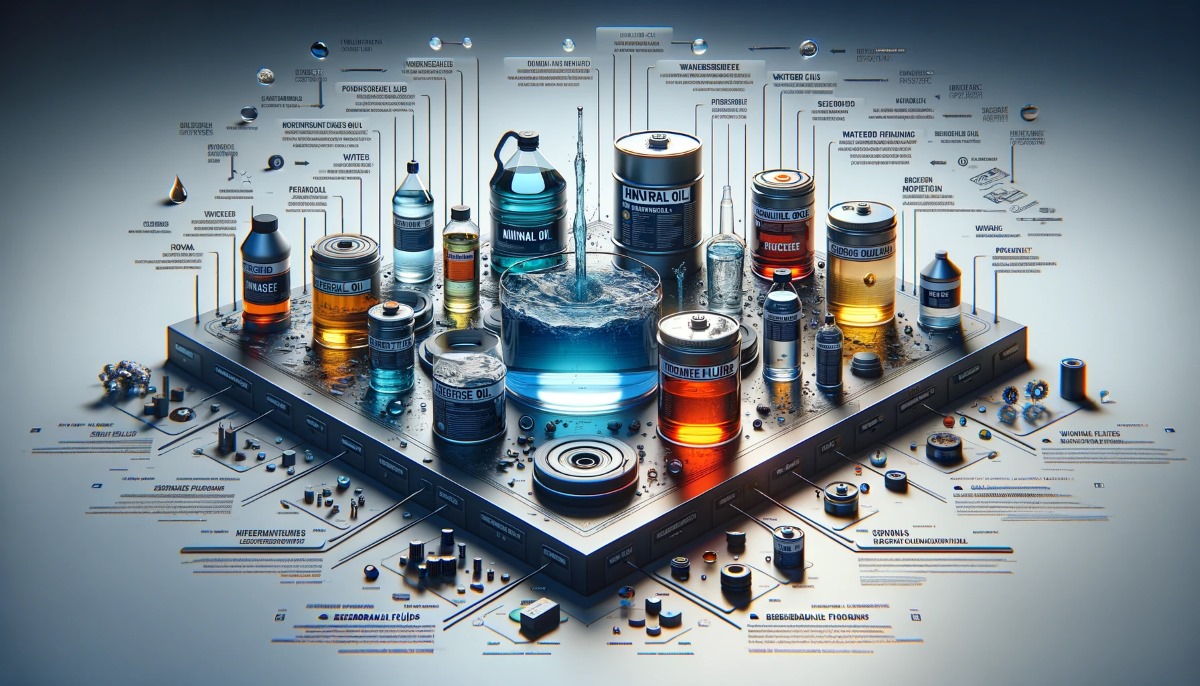
Hydraulic systems require a fluid medium to transmit power from one point to another. The type of fluid used in a hydraulic system can significantly impact its efficiency, reliability, and lifespan. Here are some common types of fluids used in hydraulic systems:
Mineral Oil-Based Fluids: These are the most commonly used hydraulic fluids due to their good lubrication properties, adequate viscosity range, and relative cost-effectiveness. They have good stability and can work under a wide range of temperature conditions. However, they are flammable and can be environmentally harmful.
Water-Based Fluids: These are used in situations where fire resistance is crucial. They are less lubricating than mineral oils and are not suitable for high-pressure systems, but they offer excellent heat transfer capabilities.
Synthetic Fluids: These fluids are designed for specific conditions that traditional fluids may not handle well. They may have higher fire resistance, better low-temperature performance, or resist degradation in harsh conditions. However, they are often more expensive.
Environmentally Acceptable Fluids: These are usually synthetic fluids designed to be biodegradable and less harmful to the environment if a leak or spill occurs.
The choice of fluid is dictated by the operating conditions of the hydraulic system, including factors such as operating temperature, pressure, potential for leaks or spills, and the environmental impact of the fluid. It is important to choose the right hydraulic fluid for the specific system and application, as the wrong fluid can lead to problems such as poor performance, excessive wear, and even system failure. Always refer to the manufacturer's guidelines or consult with a hydraulic system professional when selecting a hydraulic fluid.
Below, you can find the items where we try to answer the most frequently asked questions from our users. Hydraulic control technologies are advancing every day, and factors such as efficiency, environmental compatibility, and carbon footprint are becoming prominent.
- What is a hydraulic system and how does it work?
- What are the differences between hydraulic and pneumatic systems?
- In which types of industries and applications are hydraulic systems used?
- What are the main advantages and disadvantages of hydraulic systems?
- What kind of maintenance do hydraulic systems require?
- What types of fluids are used in hydraulic systems and why?
- How energy efficient are hydraulic systems?
- What are the environmental impacts of hydraulic systems?
- What is a hydraulic pump and how does it work?
- Are hydraulic systems safe? What safety measures should be taken?
- How is pressure set and controlled in hydraulic systems?
- What is a hydraulic cylinder and what is its function?
- What technological advancements could be expected in hydraulic systems in the future?
- What is a hydraulic brake system and how does it work?
- What is the potential for energy savings with hydraulic systems?
- What materials are hydraulic systems made of, and how does the choice of materials become important?
- How is fault detection done in hydraulic systems?
- How can pressure loss be prevented or minimized in hydraulic systems?
- How can hydraulic systems be made more efficient?
- What is the cost of hydraulic systems and what are the long-term costs of using them?
These questions generally cover many questions that might come to mind about Hydraulic control systems and sensors. Each user or student will have their own specific questions depending on a particular situation or application. The answers are not binding or definitive. "There is no problem in sharing our article above as a source. 03/2020"
Your shopping cart is empty!