
What is vector control (with vfd) ?

Vector control;
Vector-controlled drives can always vary voltage and frequency separately to produce the optimum V/Hz ratio for maximum torque. In this way, vector drives can generate much more starting torque and provide full torque down to 0.5 Hz or even lower, while ordinary V/Hz drives are limited to about 5-6 Hz.
Please note: To see the vector and flux distribution more clearly in the animation below, reduce the speed as much as possible. Vector control is an ideal solution for machines where speed loss is unacceptable.
Status
Frequency (Hz): 0
Speed (rpm): 0
Torque (%): 0
V/Hz Ratio: 0
Vector Components
Id (Flux): 0
Iq (Torque): 0
Slip (Hz): 0
PWM Amplitude: 0%
Quick Guide
Id up → blue vector grows/thickens; Iq up → green vector grows and torque rises. Higher load makes the red glow more pronounced.
Closed loop reduces speed error; Boost supports torque at low speed.
Basically, there are 2 types of vector drives: closed-loop and open-loop or sensorless vector control.
Closed-loop vector drives: (FOC) require a special encoder feedback mechanism that can read the motor shaft position (hence the name "closed-loop"). The drive uses this information to continuously adjust the V/Hz ratio in order to produce maximum torque. Such closed-loop vector drives are expected to provide very high performance and are therefore more expensive.
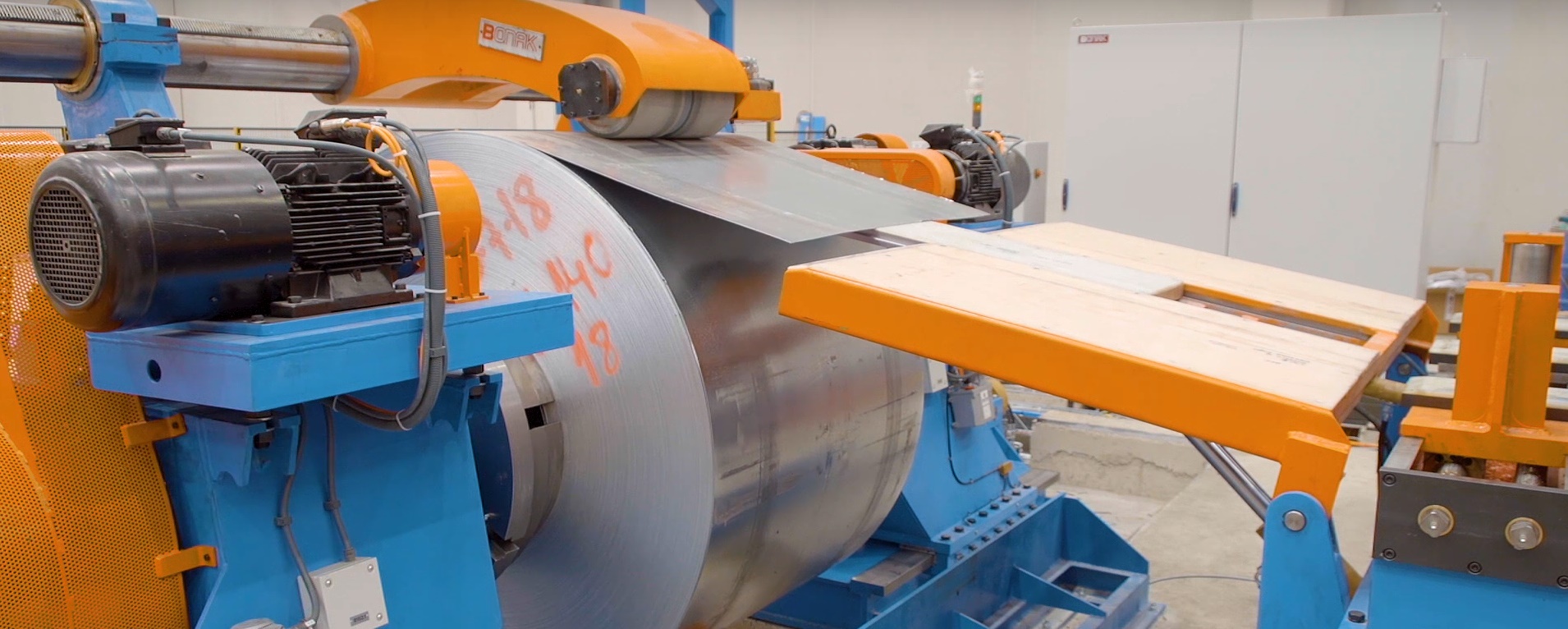
Sensorless vector drives (SVC): work with standard motors (not designed for PM or Servo motors), but since there is no encoder feedback, the performance is not as precise as closed-loop vector control. However, it is still much better than V/Hz drives. A sensorless vector drive predicts motor behavior entirely virtually by creating a motor model inside the software instead of receiving real-time information from an encoder.
This model is created using motor data entered manually by the user, together with other measurements taken by the drive when it is connected to the motor. Thus, the drive can estimate motor behavior without a physical encoder.
Vector control technology is indispensable for industrial systems that require high precision. Especially at low speeds with full torque, it goes beyond classical methods, ensuring both safe and efficient operation.
Another key advantage is the energy efficiency it provides. Since the motor is instantly adjusted to the optimum voltage and frequency ratio according to the load demand, it can achieve the same work with lower energy consumption.
In conclusion, whether in open-loop or closed-loop, the greatest strength of vector control is its ability to deliver stable speed and torque. This makes it the preferred choice especially for cranes, extruders, and winding machines.
Your shopping cart is empty!