
what is NEMA Standard?
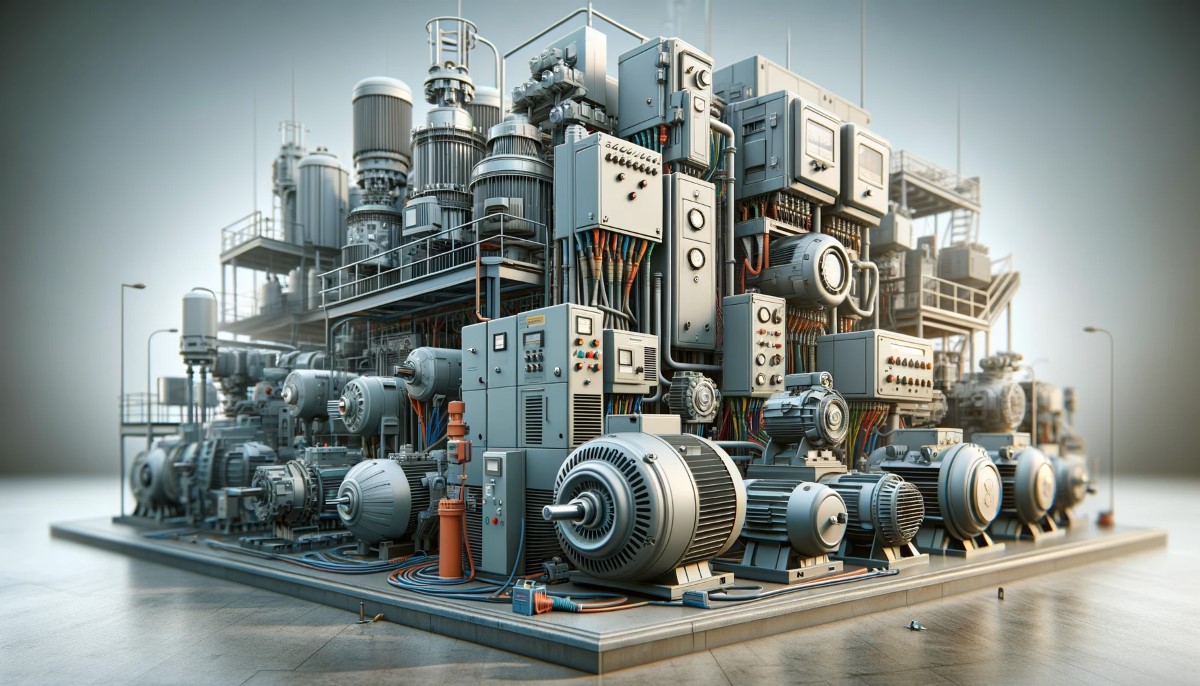
The NEMA (National Electrical Manufacturers Association) Standard refers to a set of standards developed by the NEMA, an organization representing the electrical manufacturing industry in the United States. NEMA standards cover a wide range of electrical products and systems, including motors, generators, transformers, enclosures, wiring devices, and other electrical equipment.
NEMA standards are designed to ensure the safety, reliability, and efficiency of electrical products and systems. They provide guidelines for the design, production, testing, and application of various electrical products. NEMA standards are widely recognized and used not only in the United States but also internationally, as they often serve as a benchmark for quality and performance in the electrical industry.
Purpose and Objectives
The main objectives of NEMA standards are to:
+ Promote the safety and reliability of electrical products.
+ Facilitate the interoperability and standardization of electrical equipment.
+ Enhance the efficiency and performance of electrical systems.
+ Provide a common technical language for manufacturers, users, and regulators.
+ Support the development and innovation of electrical technologies.
Development and Adoption
NEMA standards are developed by committees composed of experts from the electrical industry, including manufacturers, users, and other stakeholders. The development process involves a consensus-based approach, ensuring that the standards reflect the collective knowledge and experience of the industry.
Once a standard is developed, it undergoes a rigorous review and approval process before being published. NEMA standards are voluntary, meaning that manufacturers are not legally required to comply with them. However, compliance is often encouraged, as it demonstrates a commitment to quality and safety.
Categories of NEMA Standards
NEMA standards can be categorized into different types based on the products or systems they cover. Some of the key categories include:
+ NEMA MG 1: Standards for motors and generators.
+ NEMA Enclosure Types: Standards for electrical enclosures, defining the degree of protection provided against various environmental conditions.
+ NEMA WD 1: Standards for wiring devices, such as switches, receptacles, and connectors.
+ NEMA ICS 1: Standards for industrial control systems and equipment.
These are just a few examples of the numerous NEMA standards that exist, each addressing specific requirements and guidelines for different electrical products and systems.
Impact and Importance
NEMA standards play a crucial role in the electrical industry by ensuring that products and systems meet certain criteria for safety, reliability, and performance. They help to prevent accidents and failures, reduce costs associated with non-standardized equipment, and promote innovation and technological advancement.
Furthermore, NEMA standards facilitate international trade by providing a common framework for the design and evaluation of electrical products, making it easier for manufacturers to sell their products in different markets.
In summary, NEMA standards are a comprehensive set of guidelines developed by the National Electrical Manufacturers Association to ensure the safety, reliability, and efficiency of electrical products and systems. They cover a wide range of electrical equipment and are widely recognized and used both in the United States and internationally. Compliance with NEMA standards is voluntary but highly encouraged, as it demonstrates a commitment to quality and safety in the electrical industry.