
What is servo motor?
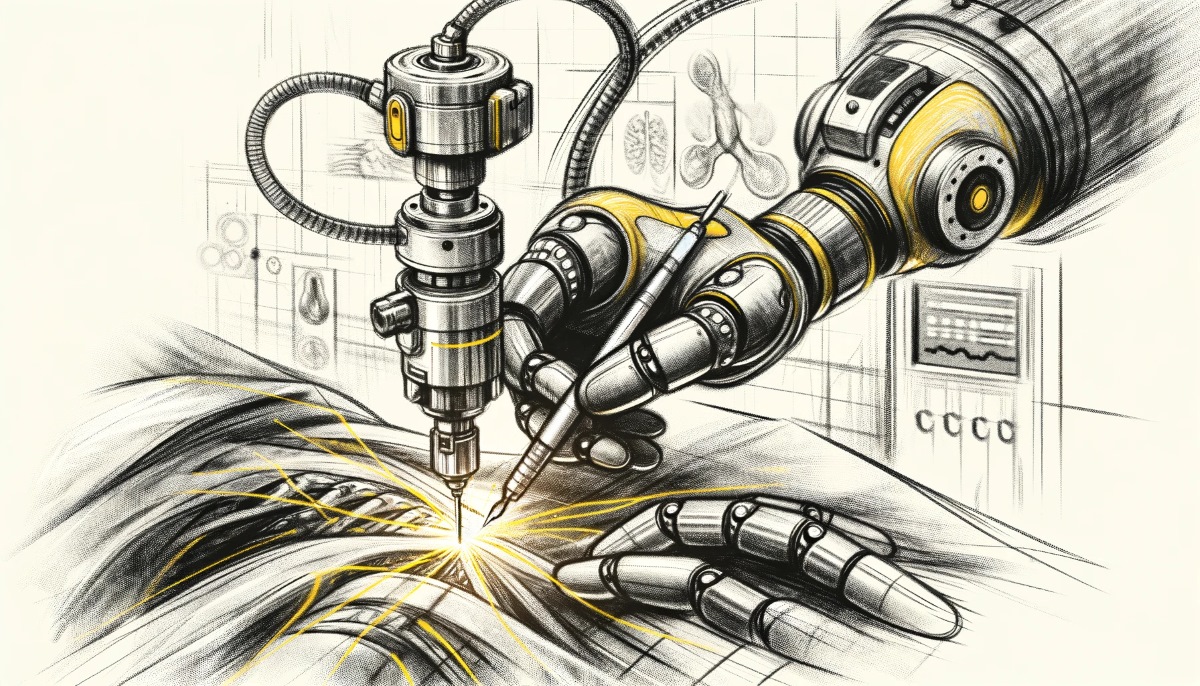
A servo motor is a specialized electric motor designed for applications requiring precise positioning, speed, and torque control. It is commonly used in industrial automation, robotics, and motion control systems. Servo motors work in conjunction with a feedback mechanism and control electronics to continuously monitor and adjust the motor's position, speed, and torque. These features make servo motors highly suitable for applications requiring complex motion profiles and precise motion control.
A servo motor is a type of electric motor that is used to control the position of a mechanism or device. It consists of a motor, a gear system, and a feedback sensor. The motor is responsible for rotating the shaft of the servo, and the gear system helps to reduce the torque and increase the precision of the movement. The feedback sensor is used to measure the position of the shaft and compare it to a desired position.
When a servo motor receives a command signal, it compares the desired position to the current position of the shaft. If the two positions are different, the motor adjusts the shaft's position until it matches the desired position. This process is known as servomechanism.
Servo motors are commonly used in a variety of applications where precise control of a mechanism or device is required, such as in robotics, factory automation, and aircraft control systems. They are available in a range of sizes and power levels to suit different applications.
type servo motor?
There are several types of servo motors, including:
Standard servo motors: These are the most common type of servo motors, and they are designed to rotate through a specific angle. They are available in various sizes and power ratings, and they are suitable for a wide range of applications.
Continuous rotation servo motors: These servo motors are designed to rotate continuously in either direction, rather than through a specific angle. They are often used in robotics applications where continuous rotation is required.
Linear servo motors: These servo motors are designed to produce linear motion rather than rotational motion. They are typically used in applications where precise linear positioning is required.
Torque servo motors: These servo motors are designed to produce a specific amount of torque, or rotational force. They are often used in applications where high torque is required, such as in industrial automation.
Brushless servo motors: These servo motors use permanent magnets in the rotor and are driven by an electronic controller, rather than by a brush and commutator. They are more efficient and have a longer lifespan than brushed servo motors.
AC servo motors: These servo motors use alternating current (AC) to drive the motor, rather than direct current (DC). They are often used in applications where high speed and high torque are required.
DC servo motors: These servo motors use direct current (DC) to drive the motor. They are often used in applications where precise control is required, such as in robotics and automation systems.
Your shopping cart is empty!