
what is Photocell?
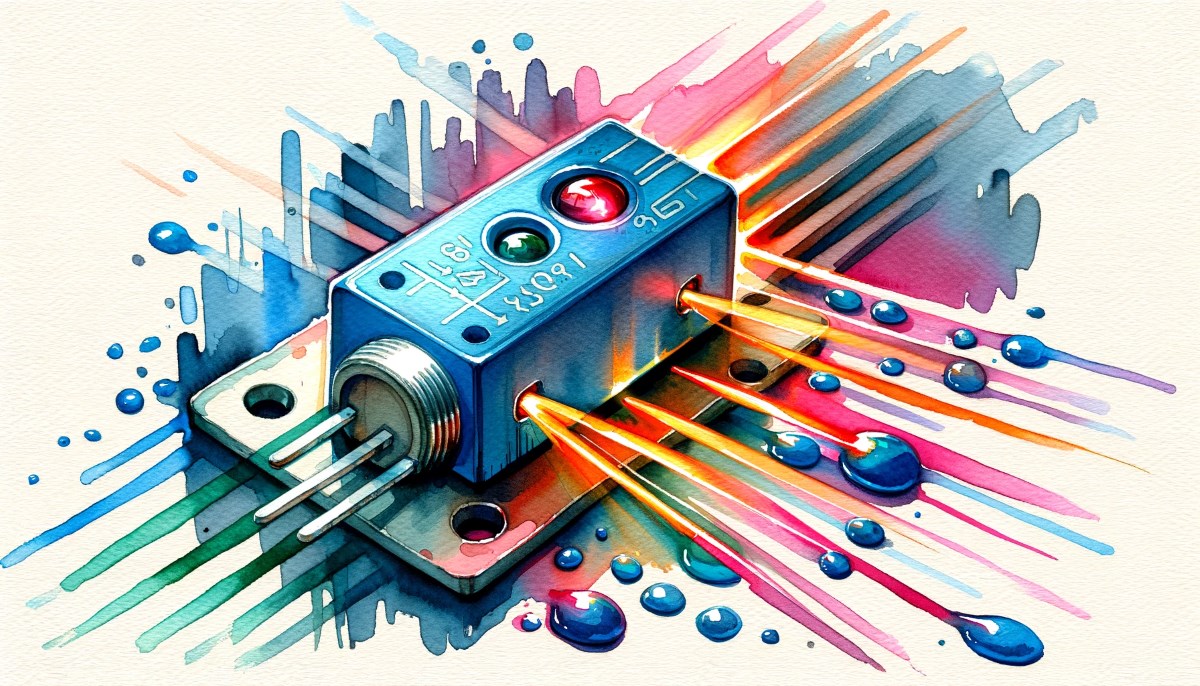
A photocell, also known as a photodetector or a photoresistor, is a type of sensor that converts light into an electrical current. Photocells are often used to detect the presence or absence of light and are commonly used in *automatic lighting control systems*, *security systems*, and other applications where it is important to detect changes in light levels.
There are several types of photocells, including photodiodes, phototransistors, and photoresistors. The type of photocell used depends on the specific application and the required sensitivity to light. For example, photodiodes are often used for fast, high-precision light detection, while photoresistors are more suitable for slow, low-precision detection.
What type of sensor is a photocell?
A photocell is a type of sensor that converts light into an electrical current. It is often used to detect the presence or absence of light and is commonly used in automatic lighting control systems, security systems, and other applications where it is important to detect changes in light levels.
There are several types of photocells, including photodiodes, phototransistors, and photoresistors. The type of photocell used depends on the specific application and the required sensitivity to light. For example, photodiodes are often used for fast, high-precision light detection, while photoresistors are more suitable for slow, low-precision detection.
Types of Photocells:
+ Photodiodes: Semiconductor devices that generate an electrical current when exposed to light. They are often used for fast, high-precision light detection and can be sensitive to a wide range of wavelengths.
+ Phototransistors: Transistor devices that are activated by light. They are often used for fast, sensitive light detection and can be used to switch other electrical devices on and off.
+ Photoresistors: Also known as light-dependent resistors (LDRs), these are resistors that change resistance in response to light. They are often used for slow, low-precision light detection and are relatively insensitive to a wide range of wavelengths.
+ Photoconductive cells: Cells that change their electrical conductivity in response to light. They are often used for high-precision light detection and can be sensitive to a wide range of wavelengths.
+ Photovoltaic cells: Also known as solar cells, these cells generate an electrical current when exposed to light. They are often used to generate electricity from sunlight and can be sensitive to a wide range of wavelengths.
+ Photoconductive infrared cells: Cells that change their electrical conductivity in response to infrared (IR) light. They are often used for IR sensing applications and can be sensitive to a specific range of IR wavelengths.
+ Photovoltaic infrared cells: Cells that generate an electrical current when exposed to infrared (IR) light. They are often used for IR sensing applications and can be sensitive to a specific range of IR wavelengths.
+ Phototubes: Tubes that contain a cathode and an anode and are filled with an inert gas. When light strikes the cathode, it emits electrons, which are then attracted to the anode, creating an electrical current. Phototubes are often used for high-precision light detection and can be sensitive to a wide range of wavelengths.
+ Photomultipliers: Tubes that contain a cathode and a series of anodes. When light strikes the cathode, it emits electrons, which are then amplified by the anodes, creating an electrical current. Photomultipliers are often used for extremely sensitive light detection and can be sensitive to a wide range of wavelengths.
+ Photopointers: Devices that emit a beam of light, which can be used to point at objects or indicate positions. They are often used in presentations, demonstrations, and other applications where it is important to visually highlight a specific area or object.
+ Photovoltaic films: Thin films that can be applied to a variety of surfaces and generate an electrical current when exposed to light. They are often used in portable electronic devices and can be flexible, transparent, or colored.
+ Photovoltaic panels: Arrays of photovoltaic cells that are mounted on a supporting structure and used to generate electricity from sunlight. They are often used in solar power systems and can be mounted on rooftops, walls, or the ground.
+ Photovoltaic concentrators: Devices that use lenses or mirrors to focus sunlight onto a small area, where it is absorbed by photovoltaic cells. They are often used in solar power systems and can be more efficient than traditional photovoltaic panels.
+ Photovoltaic textiles: Fabrics that are embedded with photovoltaic cells and can generate an electrical current when exposed to light. They are often used in wearable technology and can be flexible, comfortable, and lightweight.
+ Photovoltaic paint: A type of paint that contains photovoltaic cells and can generate an electrical current when exposed to light. It can be applied to a variety of surfaces and is often used in building-integrated photovoltaic (BIPV) systems, where it is used to generate electricity from sunlight.
The type of photocell used depends on the specific application and the required sensitivity to light. If you are unsure which type of photocell is best for your application, consult with an expert or do further research otomasyonavm.
Your shopping cart is empty!