
What is meant by acoustic noise?
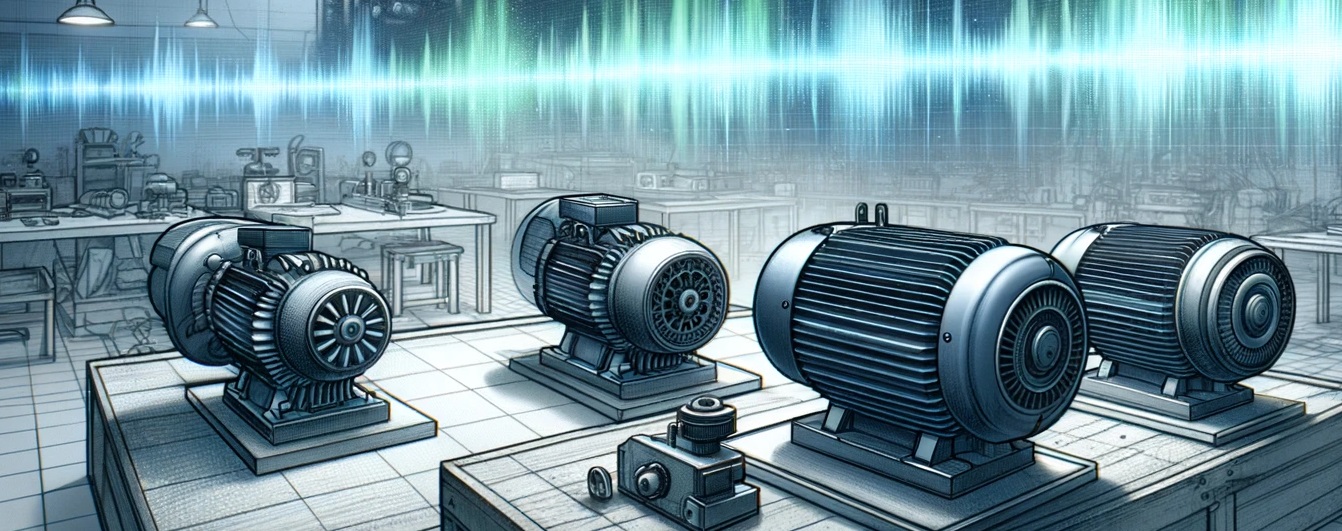
What is meant by acoustic noise?
Acoustic noise is the unwanted symphony of sound that fills our environment—an often disruptive chorus born from traffic, construction, or even the hum of appliances. It is the clamor that we wish to silence, a potential nuisance and sometimes even a threat to our well-being. Measured in decibels (dB), acoustic noise can range from a gentle whisper to a deafening roar. High levels of such noise can lead to hearing loss, stress, and other health complications, while also disrupting sleep and communication.
What is meant by AC motor acoustic noise?
An AC motor hums to life with the pulse of alternating current (AC), but this performance is not always silent. The sounds it emits, referred to as acoustic noise, are shaped by the motor's design, the load it carries, and the conditions under which it operates. Industrial motors may roar more fiercely than their quieter residential counterparts, especially when running at higher speeds or carrying heavier loads. This noise can range from a subtle hum to a louder, more intrusive sound, depending on the motor's application.
Why do motors make a buzzing noise?
Motors sometimes emit a buzzing noise, and this sound can be attributed to several factors:
- Loose components: Loose internal parts can vibrate and cause a buzzing sound, often the result of manufacturing defects or wear over time.
- Electrical interference: Irregularities in the electrical current can cause interference, leading to a buzzing noise, which might arise from power fluctuations or faulty wiring.
- Resonance: If the motor’s components resonate at a specific frequency, it can amplify a buzzing sound, particularly when the motor is operating at high speeds or under heavy loads.
- Mechanical issues: Worn-out bearings or damaged internal parts can generate noise as the motor operates.
- Vibration: When the motor is mounted on a vibrating surface, it can contribute to the overall noise.
- Sound waves: Some motors are designed to produce specific sound frequencies, especially those used in audio devices, which may lead to a buzzing sound.
Why is my DC motor making noise?
Similar to AC motors, DC motors can produce noise for various reasons:
- Loose components: Vibrating parts inside the motor can create noise, either due to damage or a manufacturing fault.
- Electrical interference: Irregular electrical currents can cause interference and noise, possibly due to power variations or poor wiring.
- Resonance: The motor components may resonate, especially at high speeds, leading to noise.
- Mechanical issues: Worn or damaged mechanical components like bearings may generate unwanted noise.
- Vibration: External vibrations can transfer to the motor, causing it to make noise.
- Sound waves: Some DC motors, especially those used in speakers, may be designed to emit specific frequencies, contributing to the noise.
Your shopping cart is empty!