
EFF 1 standard
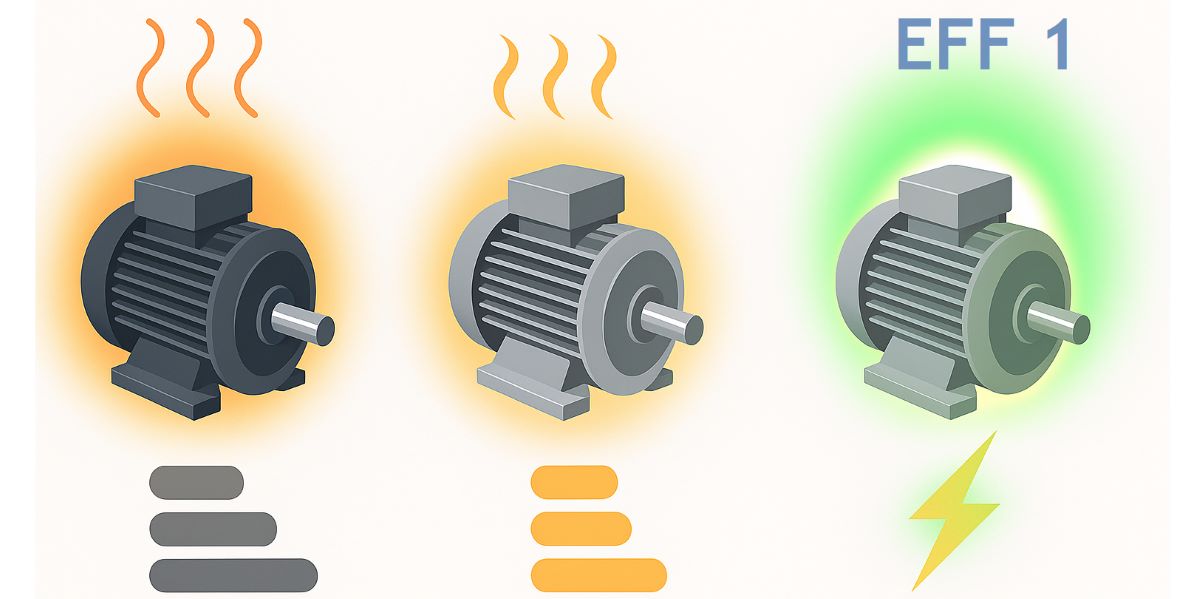
The EFF 1 standard was a part of the European energy efficiency classification system specifically designed for electric motors. This classification aimed to encourage the adoption of energy-efficient motors in industrial and commercial settings by identifying and promoting the most energy-efficient motors available. EFF 1 represented the highest level of energy efficiency under the earlier European classification system, which also included EFF 2 and EFF 3 for lower levels of efficiency. Here's a detailed explanation of the EFF 1 standard:
Background and Development
Origin and Context: Developed in the late 1990s by the Committee of European Manufacturers of Electrical Machines and Power Electronics (CEMEP), the EFF standards were part of a voluntary initiative. This initiative was supported by European motor manufacturers and various stakeholders to categorize electric motors based on their energy efficiency.
Goal: The primary goal was to reduce energy consumption and associated costs in industrial applications, as well as to contribute to environmental sustainability by reducing greenhouse gas emissions.
Definition and Criteria
EFF 1: Represented 'High Efficiency'. Motors classified as EFF 1 consumed significantly less energy than those classified under EFF 2 and EFF 3.
Testing and Measurement: The efficiency of motors was assessed based on standardized European testing procedures, which measured the motor's performance under specified operational conditions.
Implementation and Impact
Adoption by Industry: Although participation in the EFF classification system was voluntary, it gained wide acceptance across Europe. Manufacturers prominently labeled their motors with EFF classifications, and EFF 1 motors became a preferred choice for energy-conscious industries.
Incentives and Regulations: Some European countries offered financial incentives, such as tax rebates or subsidies, to encourage the purchase and use of EFF 1 motors. This helped accelerate the transition to more efficient technologies.
Comparison with Other Standards
EFF 2 and EFF 3: These standards represented 'Standard Efficiency' and 'Lower Efficiency' respectively. EFF 1 motors were the most efficient, followed by EFF 2, and then EFF 3.
Global Impact and Transition: The success and adoption of EFF standards in Europe influenced global standards. Eventually, the International Electrotechnical Commission (IEC) developed a more comprehensive global standard (IEC 60034-30), introducing IE classifications (IE1 to IE4) to replace the EFF system.
Legacy and Current Relevance
Legacy: EFF 1 played a critical role in setting high standards for motor efficiency. It paved the way for subsequent regulations and helped establish a culture of energy efficiency in the motor industry.
Transition to IE Standards: With the introduction of the IEC 60034-30 standard, the EFF classifications were phased out. The IEC standards, particularly IE3 and IE4, now represent high and super-premium efficiencies, essentially taking over the role that EFF 1 played.
Practical Implications for Today
For Businesses: Understanding the history and impact of EFF 1 can help businesses appreciate the evolution of motor efficiency standards and the importance of investing in highly efficient equipment.
Environmental Impact: Companies using motors with high efficiency standards like EFF 1 significantly reduce their energy usage, which contributes to lower operational costs and reduced environmental impact.
In summary, the EFF 1 standard marked a significant step forward in promoting energy efficiency within the European motor industry. It established a benchmark for high efficiency that influenced both national and international policies and practices, fostering a move towards more sustainable industrial operations.
Your shopping cart is empty!