
What kind of maintenance do hydraulic systems require?
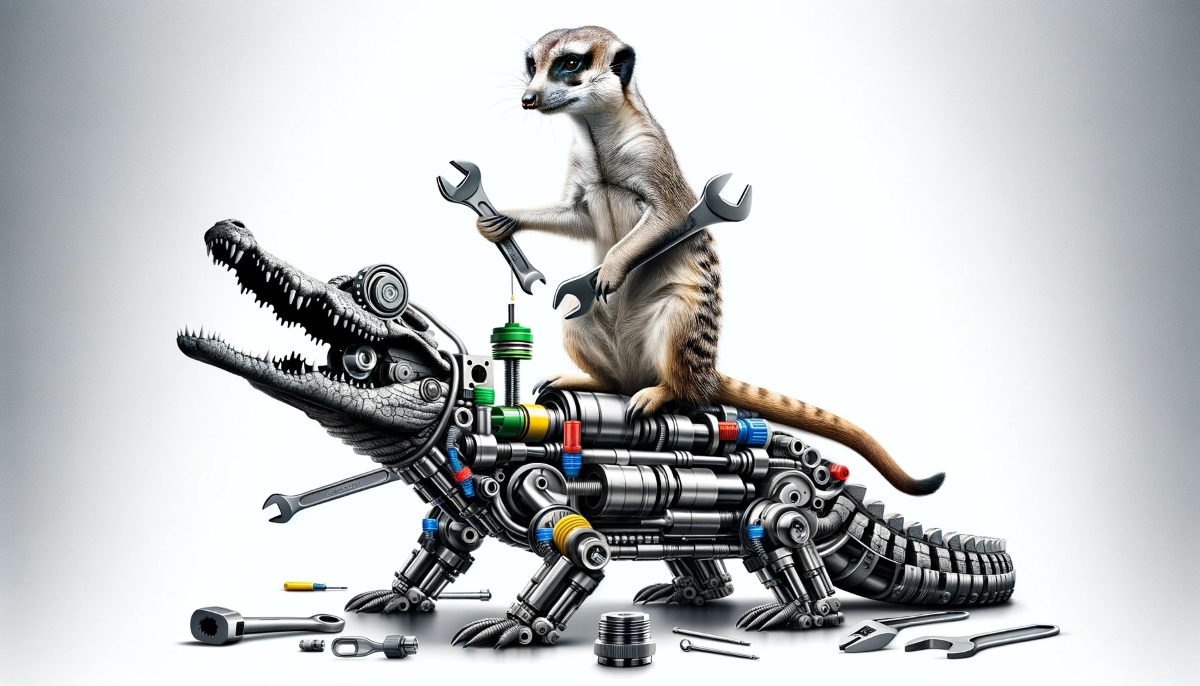
Hello dear colleagues,
Maintenance is an important aspect of hydraulic systems to keep them running efficiently and extend their service life. Here are some of the key areas of hydraulic system maintenance:
Fluid Checks: The hydraulic fluid should be checked regularly. This includes checking the fluid levels, as low fluid levels can lead to a loss of system pressure and performance. The fluid should also be checked for cleanliness, as contaminants can cause damage to the hydraulic components.
Filter Changes: Hydraulic systems often include filters to remove contaminants from the fluid. These filters need to be replaced at regular intervals to ensure they continue to work effectively.
Seal and Hose Inspections: Seals and hoses should be checked regularly for signs of wear or damage. Leaks in these components can lead to loss of fluid and system pressure.
Temperature Checks: High operating temperatures can degrade the hydraulic fluid and damage system components. The system’s temperature should be monitored, and if it is consistently running hot, the cause should be identified and remedied.
Regular Cleaning: Keeping the system clean can help prevent the introduction of contaminants into the fluid. This includes cleaning the exterior of the system and the area around it.
Inspection of Components: Regular inspection of hydraulic components like pumps, valves, motors, and cylinders can help identify any signs of wear or damage early, allowing for proactive maintenance or replacement.
Scheduled Lubrication: Certain components of a hydraulic system may need regular lubrication to keep them operating smoothly.
Pressure Checks: Regular checks of system pressure can help ensure the system is operating at its optimal level. Variations in pressure can indicate potential issues that need to be addressed.
Remember, maintenance schedules and requirements can vary depending on the specific type of hydraulic system and the conditions under which it operates. Always refer to the manufacturer's guidelines or consult with a hydraulic system professional to ensure proper maintenance.
Below, you can find the items where we try to answer the most frequently asked questions from our users. Hydraulic control technologies are advancing every day, and factors such as efficiency, environmental compatibility, and carbon footprint are becoming prominent.
- What is a hydraulic system and how does it work?
- What are the differences between hydraulic and pneumatic systems?
- In which types of industries and applications are hydraulic systems used?
- What are the main advantages and disadvantages of hydraulic systems?
- What kind of maintenance do hydraulic systems require?
- What types of fluids are used in hydraulic systems and why?
- How energy efficient are hydraulic systems?
- What are the environmental impacts of hydraulic systems?
- What is a hydraulic pump and how does it work?
- Are hydraulic systems safe? What safety measures should be taken?
- How is pressure set and controlled in hydraulic systems?
- What is a hydraulic cylinder and what is its function?
- What technological advancements could be expected in hydraulic systems in the future?
- What is a hydraulic brake system and how does it work?
- What is the potential for energy savings with hydraulic systems?
- What materials are hydraulic systems made of, and how does the choice of materials become important?
- How is fault detection done in hydraulic systems?
- How can pressure loss be prevented or minimized in hydraulic systems?
- How can hydraulic systems be made more efficient?
- What is the cost of hydraulic systems and what are the long-term costs of using them?
These questions generally cover many questions that might come to mind about Hydraulic control systems and sensors. Each user or student will have their own specific questions depending on a particular situation or application. The answers are not binding or definitive. "There is no problem in sharing our article above as a source. 03/2020"
Your shopping cart is empty!