
What are the environmental impacts of hydraulic systems?
Hello dear colleagues,
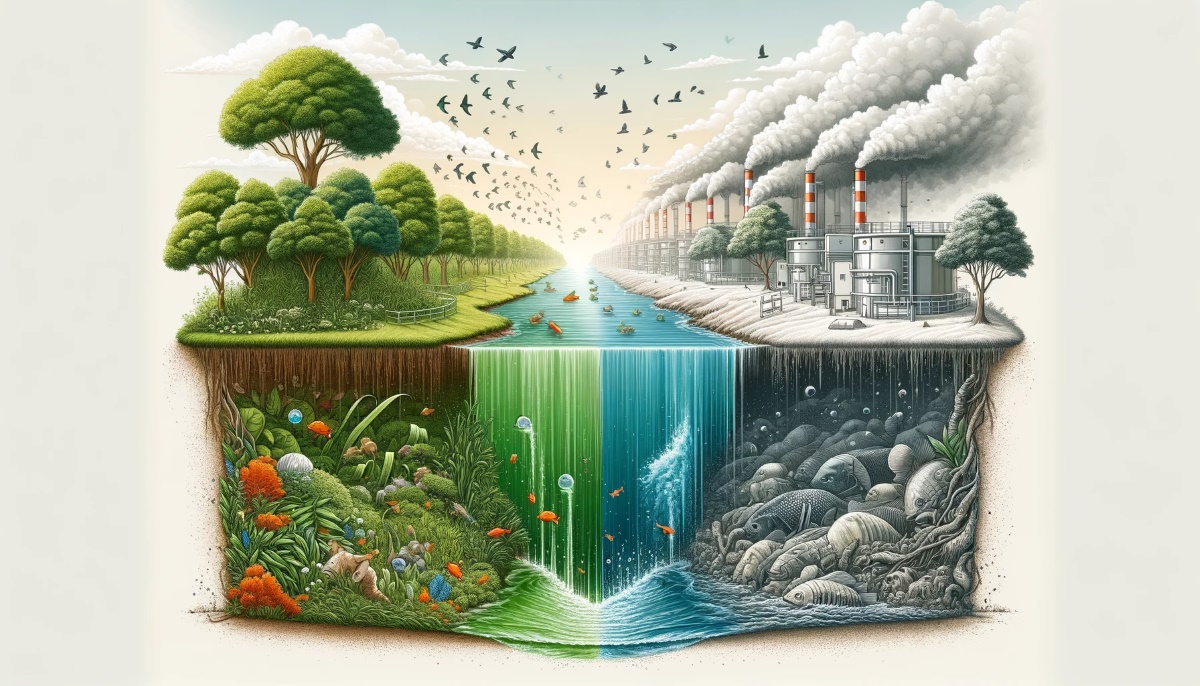
Hydraulic systems are extensively used in various industries for their efficiency and power. They are critical in machinery like construction equipment, industrial processes, and even some renewable energy technologies. However, they do carry several potential environmental impacts:
Oil Leakage: The most significant environmental impact from hydraulic systems is from oil leakage. Hydraulic fluids are typically oil-based, and leaks or spills can cause significant soil and water pollution. This can harm local ecosystems and wildlife. For instance, a single liter of oil can contaminate up to one million liters of water.
Resource Consumption: The production of hydraulic oil relies heavily on petroleum, a non-renewable resource. The drilling, extraction, and refinement of petroleum products are energy-intensive processes and contribute to greenhouse gas emissions.
Waste Disposal: Hydraulic fluid becomes waste when it can no longer perform its intended functions. Disposing of used hydraulic fluid must be done in a way that prevents it from contaminating soil and water. Improper disposal can lead to significant environmental harm.
Noise Pollution: Hydraulic systems can be loud, leading to noise pollution. This is particularly relevant in densely populated urban areas or in certain sensitive environments.
Energy Consumption and Efficiency: While hydraulic systems are known for their efficiency in terms of power output per unit weight or size, they are not always the most energy-efficient solution. Inefficiencies in hydraulic systems can lead to excess energy consumption, contributing indirectly to emissions and other environmental impacts associated with energy production.
Emission of Air Pollutants: Some hydraulic systems, especially those associated with heavy machinery, may emit air pollutants, including particulate matter and other hazardous substances.
On the other hand, the development of more environmentally friendly hydraulic fluids (e.g., bio-based and biodegradable oils) and improved system designs for greater efficiency and leak prevention can help mitigate these impacts. Many industries are actively working towards making their hydraulic systems more sustainable and environmentally friendly.
Below, you can find the items where we try to answer the most frequently asked questions from our users. Hydraulic control technologies are advancing every day, and factors such as efficiency, environmental compatibility, and carbon footprint are becoming prominent.
- What is a hydraulic system and how does it work?
- What are the differences between hydraulic and pneumatic systems?
- In which types of industries and applications are hydraulic systems used?
- What are the main advantages and disadvantages of hydraulic systems?
- What kind of maintenance do hydraulic systems require?
- What types of fluids are used in hydraulic systems and why?
- How energy efficient are hydraulic systems?
- What are the environmental impacts of hydraulic systems?
- What is a hydraulic pump and how does it work?
- Are hydraulic systems safe? What safety measures should be taken?
- How is pressure set and controlled in hydraulic systems?
- What is a hydraulic cylinder and what is its function?
- What technological advancements could be expected in hydraulic systems in the future?
- What is a hydraulic brake system and how does it work?
- What is the potential for energy savings with hydraulic systems?
- What materials are hydraulic systems made of, and how does the choice of materials become important?
- How is fault detection done in hydraulic systems?
- How can pressure loss be prevented or minimized in hydraulic systems?
- How can hydraulic systems be made more efficient?
- What is the cost of hydraulic systems and what are the long-term costs of using them?
These questions generally cover many questions that might come to mind about Hydraulic control systems and sensors. Each user or student will have their own specific questions depending on a particular situation or application. The answers are not binding or definitive. "There is no problem in sharing our article above as a source. 03/2020"
Your shopping cart is empty!