
Omron 3G3SV fault codes
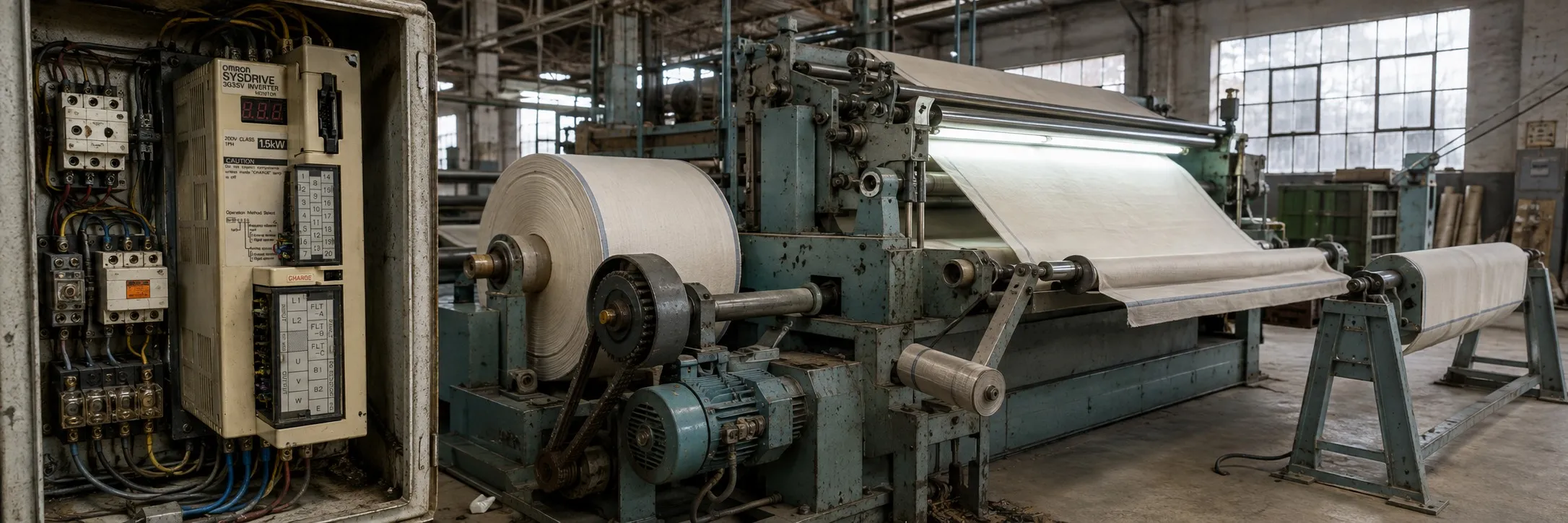
Main Functions:
- Drive Mode: Allows for simple key operation to perform the 3G3SV operation sequence.
- Program Mode: Enables setting of all functions and constants related to the 3G3SV in digital format.
- Monitor Function: Allows for easy monitoring of output frequency, output current, or operation status (such as RUN or STOP).
- Fault Contents Display: Displays the contents of any faults that occur. The latest fault information is stored, aiding in maintenance, inspections, or troubleshooting.
Drive Mode and Program Mode:
Drive Mode:
- Operation is enabled.
- Operations can be performed using the RUN, STOP, JOG, FWD, and REV keys.
- The frequency reference value can be changed during operation.
Program Mode:
- Allows for changes in the program (function selection and constant setting).
- The display contents of the digital operator vary depending on the selected mode (PRGM/DRIVE).
- The constant group displayed changes each time the display selection key (DSPL) is pressed.
Switching between Modes:
- Selection of DRIVE mode or PRGM mode can be performed using the PRGM/DRIVE key when the inverter is stopped.
- When function selection or a change of set value is required, switch to the PRGM mode.
Notes:
- The mode can be changed from Program mode to Operation mode using the digital operator.
- Set values, except for frequency reference values, can only be changed when the inverter is stopped.
This information provides an overview of the key functions and modes of the Omron 3G3SV VFD, as well as how to switch between different modes for operation and programming.
Fault Protection Features:
Low Voltage Protection (UV1):
- Description: When the inverter power voltage drops, torque becomes insufficient, and the motor is overheated. The inverter output is stopped when the main circuit DC voltage becomes lower than the low voltage detection level for 15 ms or longer.
- Detection Level: Approximately 210 V or less (3-phase), approximately 170 V or less (single-phase).
Overcurrent Protection (OC):
- Description: The inverter output is shut off when the inverter output current becomes approximately 200% and above the inverter-rated current.
Ground-Fault Protection (GF):
- Description: The inverter output is shut off when a ground fault occurs at the inverter output side.
Overvoltage Protection (OV):
- Description: The inverter output is shut off when the main circuit DC voltage becomes excessive because of regeneration energy caused by motor deceleration and negative load.
- Detection Level: Approximately 410 V or more.
Fuse Blown:
- Description: The inverter output is shut off when the main circuit transistor fails. The fuse clears to prevent wiring from being damaged by the short-circuit current. (Not displayed on the control panel)
Cooling Fin Overheat:
- Description: The inverter output is shut off when the ambient temperature rises, and the heat sink fin reaches 90°C. Please check for a defective cooling fan or clogged filter.
Overload Protection (OH):
- Description: The inverter output is stopped when motor overload is detected by the electronic thermal overload in the inverter. Either an inverter-duty constant-torque specialized motor or a general-purpose motor can be selected. If more than one motor is driven, overload protection should be disabled. Use a thermal relay or thermal protector for each motor.
Inverter Overload (OL1):
- Description: The inverter output is shut off when electronic thermal overload reaches or exceeds the inverse time limit of 112% of the inverter's rated current. Maximum rated overload: 150% for 1 minute.
Over Torque Detection (OL2):
- Description: The motor operates according to a preset mode when the inverter output current exceeds the over torque detection level. This function is used to protect the machine or to monitor the output torque.
External Fault Signal Input (OL3):
- Description: When an external alarm signal is input, the inverter operates according to a preset stop method (coasting to a stop, or ramp to stop).
Control Circuit Fault / Thermistor Fault (EF3):
- Description: The inverter output is shut off when a transmission error occurs in the control circuit or a component fails.
Low Voltage Protection (UV):
- Causes:
- Inverter capacity is too small.
- Voltage drop due to wiring.
- A motor of large capacity (11 kW or greater) connected to the same power system has been started.
- Rapid acceleration with generator power supply.
- Operation sequence when power is off.
- Defective electromagnetic contactor.
- Solutions:
- Check the power capacity and power system.
- Ensure the inverter power is turned off after stopping the inverter if the UV display appears while the operation signal is input.
Overcurrent Protection (OC):
- Causes:
- Extremely rapid acceleration/deceleration.
- Motor and load are too heavy.
- Faulty wiring or external disturbance.
- Solutions:
- Slow down the acceleration/deceleration rate.
- Check the load and wiring.
- Use an external brake resistor if needed.
Ground Fault Protection (GF):
- Causes:
- Faulty wiring.
- Ground fault or short circuit.
- Solutions:
- Check the wiring.
- Inspect for ground faults and repair as needed.
Overvoltage Protection (OV):
- Causes:
- Excessive regenerative energy.
- Operation with high input voltage.
- Solutions:
- Check the regeneration energy.
- Use a brake resistor if necessary.
Fuse Blown:
- Causes:
- Short circuit or severe damage.
- Faulty components.
- Solutions:
- Replace the fuse.
- Check for underlying issues causing the fuse to blow.
Cooling Fin Overheat:
- Causes:
- Insufficient cooling fan operation.
- Clogged air filter.
- Solutions:
- Inspect and clean the cooling fan and filter.
- Ensure proper ventilation around the inverter.
Overload Protection (OH):
- Causes:
- Motor overload conditions.
- Incorrect motor settings.
- Solutions:
- Check and adjust motor settings.
- Ensure the motor is correctly rated for the load.
Inverter Overload (OL1):
- Causes:
- Long-term high load operation.
- Incorrect settings.
- Solutions:
- Reduce load or adjust settings.
- Check for any external causes of overload.
Over Torque Detection (OL2):
- Causes:
- Excessive load conditions.
- Mechanical issues.
- Solutions:
- Inspect and adjust the load.
- Address any mechanical issues.
External Fault Signal Input (OL3):
- Causes:
- External alarm signal input.
- Faulty signal input.
- Solutions:
- Verify the external alarm signal input.
- Check for faulty connections.
Control Circuit Fault / Thermistor Fault (EF3):
- Causes:
- Faulty components in the control circuit.
- Defective thermistor.
- Solutions:
- Check and replace faulty components.
- Inspect and replace the thermistor.