
What are the consequences of overloading a generator?
Hi everybody,
Overloading a generator, which means running it beyond its rated capacity, can have several negative consequences. It's important to understand these consequences to ensure safe and efficient operation of the generator. Here are the main consequences of overloading a generator:
Damage to the Generator:
Overloading can cause excessive heat buildup in the generator's engine and electrical components. This can lead to damage or failure of critical components such as the alternator, voltage regulator, and engine parts. In extreme cases, it can result in a complete breakdown of the generator.
Reduced Efficiency and Performance:
Operating a generator beyond its capacity can significantly reduce its efficiency. The generator may struggle to maintain a stable voltage and frequency, leading to poor performance and potential damage to connected equipment.
Increased Fuel Consumption:
An overloaded generator works harder and consumes more fuel to meet the excess demand. This not only increases operating costs but also leads to more frequent refueling, which can be inconvenient during extended power outages.
Shortened Lifespan:
Consistently overloading a generator accelerates wear and tear on its components, reducing its overall lifespan. This means that the generator will need repairs or replacement sooner than expected.
Safety Hazards:
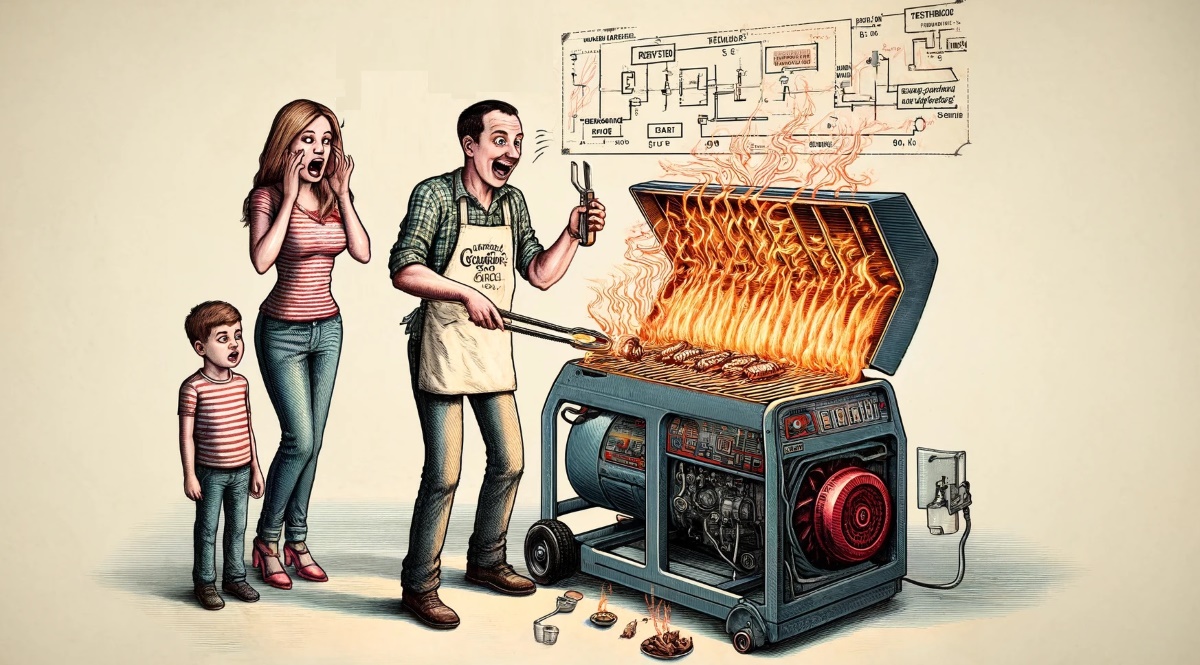
Overloading a generator can create safety hazards, including the risk of fire due to overheating or electrical shorts. It can also lead to the emission of harmful exhaust gases if the engine is forced to operate under excessive strain.
Unreliable Power Supply:
When overloaded, a generator may fail to provide a reliable power supply, leading to unexpected shutdowns or fluctuations in power output. This can be particularly problematic if the generator is used to power critical equipment or systems.
Voided Warranty:
Many manufacturers' warranties specify that the generator must be operated within its rated capacity. Overloading the generator can void the warranty, leaving the owner responsible for any repair or replacement costs.
To avoid the consequences of overloading, it's important to accurately calculate the total power requirements of the devices and equipment to be powered by the generator and select a generator with an appropriate capacity. Additionally, regularly monitoring the load on the generator and distributing the load evenly can help prevent overloading.
- What is a generator and how does it work?
- What are the different types of generators?
- How is a generator's power capacity determined?
- What are the differences between portable and stationary generators?
- What types of fuel do generators use?
- How is a generator maintained?
- What is the lifespan of a generator?
- What should be considered when buying a generator?
- How much fuel do generators consume?
- What are the environmental impacts of generators?
- How can the noise levels of generators be reduced?
- How should generators be used safely?
- What should be done if a generator breaks down?
- What is the importance of alternators in generators?
- How do generators kick in during power outages?
- How is the efficiency of generators measured?
- How does the use of generators get affected by different climatic conditions?
- What are the consequences of overloading a generator?
- What does it mean to run generators in parallel?
- What is the importance of brand and model when selecting a generator?
- World's leading Generator manufacturers
* These questions generally include the ones that may come to mind for many people regarding the " Generator" topic. Each user or student will have their specific questions depending on a particular situation or application. The answers are not binding and do not express absolute certainty. "There is no objection to sharing our article above, citing it as a source". Automation Mall 03.2022
 -
-Your shopping cart is empty!