
SERCOS Communication
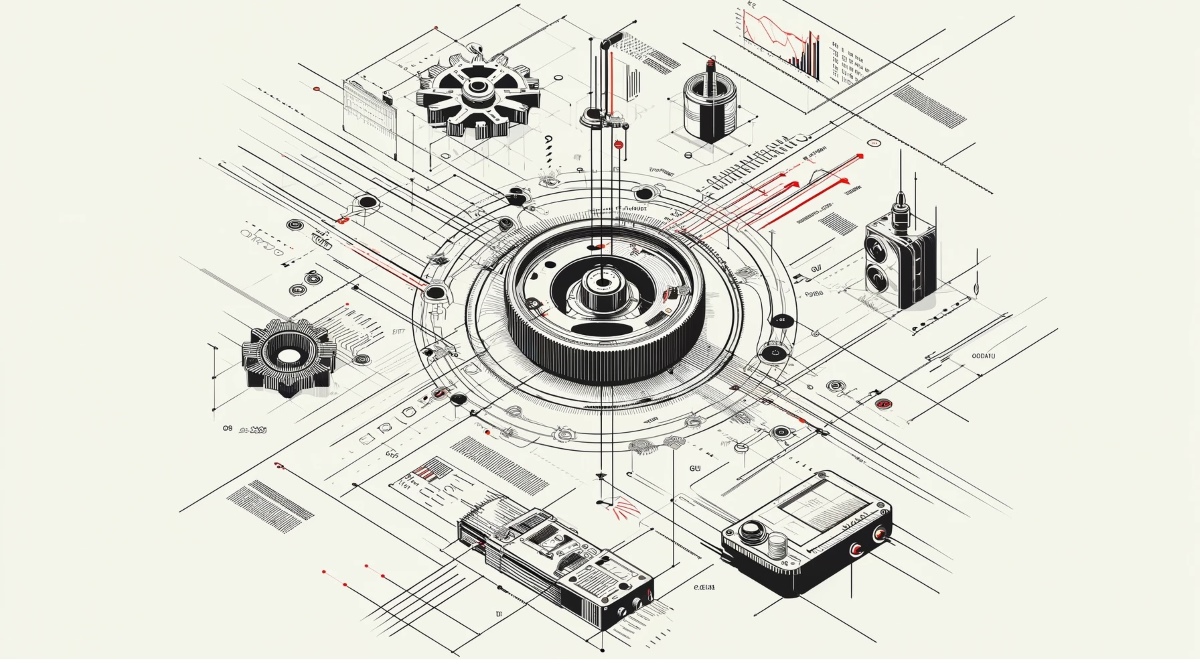
SERCOS (Serial Real-time Communication System) is a digital communication protocol used in the field of industrial automation. It is designed to facilitate fast and synchronized data exchange between industrial automation components such as servo motors, controllers, and sensors. SERCOS is particularly suited for applications requiring precise motion control and is commonly used in CNC machines, robotics, and other automation systems.
SERCOS offers high data rates and low latency, making it ideal for real-time control applications. It also provides deterministic communication, ensuring that data transmission occurs within a specific time frame. These features are important for applications that require precise and synchronized motion control.
There are different versions of SERCOS, including SERCOS I, SERCOS II, and the latest, SERCOS III. Each new version offers higher data rates and improved features.
+ SERCOS architecture delivers exceptional synchronization and predictable timing in demanding automation environments.
+ Deterministic communication means every data cycle is guaranteed to occur at exactly the right moment, eliminating timing uncertainties and ensuring flawless coordination between axes and devices.
+ SERCOS III introduces Ethernet-based networking in addition to classic fiber optic ring topologies. This makes integration and maintenance dramatically easier and allows faster and more flexible system expansions.
+ With modern SERCOS networks, not just drives, but also safety modules, I/O blocks, and advanced sensors can be seamlessly connected. This brings centralized, reliable, and high-speed communication across the entire automation cell.
+ *Practical Tip:* If your line demands instant position, speed, or torque updates with zero delay, a SERCOS-based solution minimizes communication errors and maximizes machine efficiency—no more missed cycles or lagging axes.
Your shopping cart is empty!