
IEC 60947-7
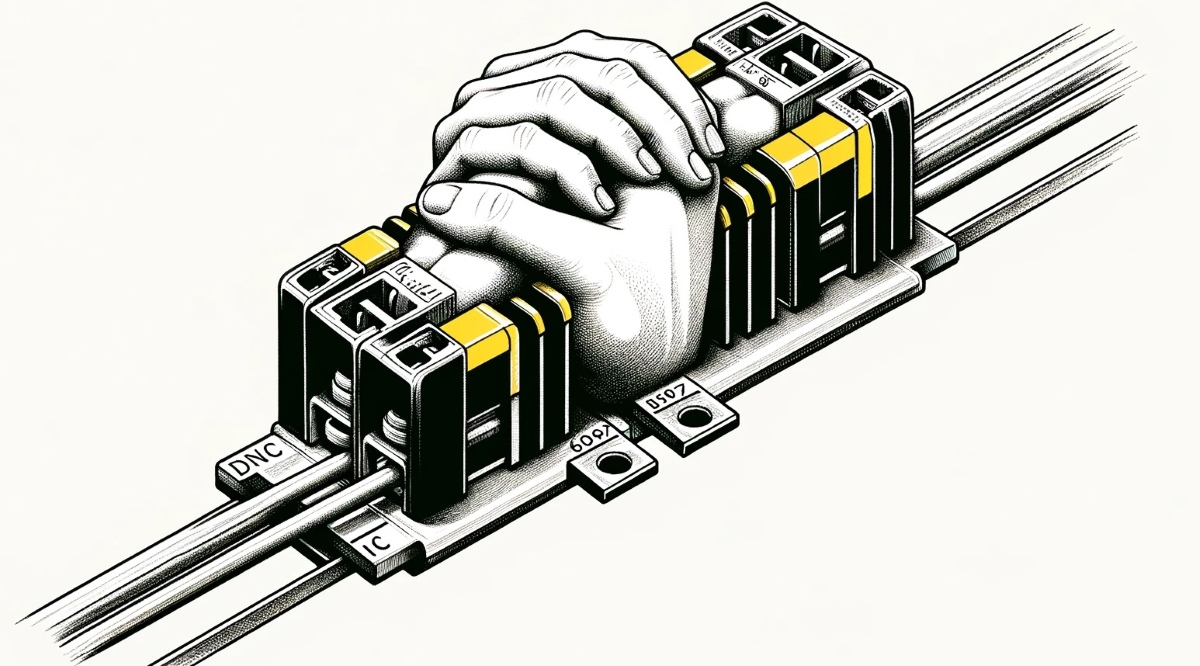
Hello dear colleagues,
IEC 60947-7 is an integral part of the IEC 60947 series, which deals with low-voltage switchgear and controlgear assemblies. This section of the standard, IEC 60947-7, specifically focuses on terminal blocks for electrical connections and their respective requirements across different applications. The standard provides a comprehensive set of guidelines aimed at ensuring safety, reliability, and interoperability of terminal blocks in various electrical systems.
Scope and Purpose
Objective: IEC 60947-7 establishes the specifications for terminal blocks used within electrical equipment. Its main goal is to standardize the performance, construction, and testing of terminal blocks to facilitate safe and reliable electrical connections.
Application: This standard is applicable to all terminal blocks that might be used in industrial, commercial, and residential electrical installations, particularly focusing on the enhancement of their safety and compatibility with other components.
Normative References
This section includes references to other IEC standards that are relevant to terminal blocks, such as those concerning electrical safety, performance requirements, and testing methods. These references help ensure that the terminal blocks meet international safety and performance benchmarks.
Terms and Definitions
Key Terms: This part of the standard defines all pertinent terms related to terminal blocks, such as "clamping mechanisms," "electric conductance," "insulation properties," and others, to standardize language across different stakeholders and users.
Construction Requirements
Materials and Design: Specifies the requirements for materials used in terminal blocks, including insulators and conductive metals. It focuses on their durability, resistance to environmental stressors, and suitability for various operational conditions.
Configuration: Details the acceptable configurations of terminal blocks to ensure they can integrate seamlessly into different electrical systems and meet various application-specific requirements.
Electrical Requirements
Voltage and Current Ratings: Outlines the maximum voltage and current that terminal blocks should be capable of handling, ensuring they are suitable for a wide range of electrical loads.
Dielectric Strength: Specifies the required resistance to electric breakdown, enhancing the safety and longevity of the terminal blocks under operational stresses.
Mechanical Requirements
Mechanical Stability: Details the requirements for mechanical stability, ensuring that terminal blocks maintain secure connections under mechanical stress such as vibration or thermal expansion.
Ease of Use: Includes guidelines on the design of terminal blocks to ensure they are easy to install, modify, and maintain, which is critical for operational efficiency and safety.
Testing and Compliance
Testing Methods: Specifies the testing methods to be used to verify the compliance of terminal blocks with the established requirements. This includes tests for electrical endurance, mechanical robustness, and environmental resistance.
Certification Requirements: Details the process for certification of terminal blocks, ensuring they meet international standards and can be trusted for use in various electrical installations.
Performance Criteria
Performance Evaluation: Sets out criteria for evaluating the performance of terminal blocks over their expected lifespan, considering factors such as electrical efficiency, resistance to wear and tear, and failure rates.
Reliability Standards: Establishes benchmarks for reliability, ensuring that terminal blocks perform consistently under typical and extreme operating conditions.
Safety Measures
Protection Features: Details the necessary safety features of terminal blocks, such as fire resistance and protection against electric shocks, to prevent accidents and ensure the safety of users and maintenance personnel.
Compliance with Environmental and Safety Regulations: Ensures that terminal blocks comply with international environmental and safety regulations, contributing to the overall safety of the electrical systems in which they are used.
Documentation and Marking
Documentation Requirements: Requires that all terminal blocks come with comprehensive documentation that includes installation instructions, specifications, safety information, and maintenance guidelines.
Marking: Specifies the information that must be visibly marked on terminal blocks, such as electrical ratings, manufacturer information, and compliance markings, to ensure transparency and traceability.
Annexes
Additional Information: Provides supplementary information and guidance that can help users and manufacturers understand and implement the standard more effectively.
IEC 60947-7 is critical in setting the foundation for the safety and functionality of terminal blocks used in various electrical systems. By defining stringent requirements for materials, design, testing, and safety, the standard helps ensure that terminal blocks are reliable, safe, and efficient components of electrical installations. This standard is an essential resource for engineers, technicians, and safety regulators involved in the design, installation, and maintenance of electrical systems.
IEC 60947 is a series of standards set by the International Electrotechnical Commission (IEC) for low-voltage switchgear and controlgear. This standard specifies the design, construction, performance, and testing criteria for electrical control devices used in industrial applications. It covers the general characteristics of these devices which are critical for safety and reliability, and is widely accepted internationally.
IEC 60947-1: General Rules
IEC 60947-2: Circuit Breakers
IEC 60947-3: Switches,
Disconnectors, Switch-disconnectors, and Fuse-combination units
IEC 60947-4-1: Contactors and Motor-starters
IEC 60947-4-2: Electromechanical Contactors and Motor-starters -
IEC 60947-4-3: AC Semiconductor Motor Controllers and Starters
IEC 60947-5-1: Control Circuit Devices and Switching Elements
IEC 60947-5-2: Proximity Switches
IEC 60947-5-3: Illuminated Actuators
IEC 60947-5-4: Position Switches
IEC 60947-5-5: Electrical Power Monitoring Devices
IEC 60947-5-6: DC Power System Controllers
IEC 60947-5-7: Emergency Stop Devices
IEC 60947-5-8: Mechanical Interlock Devices
IEC 60947-6-1: Transfer Switching Equipment
IEC 60947-6-2: Distribution and Motor Control Centres
IEC 60947-7 Series: Connection Devices
IEC 60947-7-1: Terminal Blocks
IEC 60947-7-2: PCB Connection Devices
IEC 60947-7-3: Other Connection Devices
IEC 60947-8: Control Devices for Load Control Using Semiconductor Devices
* These questions generally include the ones that may come to mind for many people regarding the "IEC Industry Standards" topic. Each user or student will have their specific questions depending on a particular situation or application. The answers are not binding and do not express absolute certainty. "There is no objection to sharing our article above, citing it as a source". Automation Mall Community 03.2022
++ Homepage
 -
-Your shopping cart is empty!