
What are the considerations for maintaining the optimal humidity level at home?
Hello friends,
Maintaining the optimal humidity level in your home is a balance that depends on several factors:
Climate and Season: The local climate and time of year will largely dictate what your indoor humidity level should be. Cold winter air tends to be dryer, so homes in colder climates may need to add humidity. Conversely, warmer climates and summer seasons may require humidity levels to be reduced.
Health Considerations: Individuals with certain health conditions, like respiratory diseases or allergies, may benefit from specific humidity levels.
Comfort: Personal comfort is also a significant factor. Some people may feel comfortable at different humidity levels.
Home Considerations: The type of heating and cooling system you have, as well as building materials, the age of your home, and even the number of plants and people in your home can affect humidity levels.
The U.S. Environmental Protection Agency recommends maintaining indoor humidity between 30 and 50 percent. Humidity levels above 60 percent may promote the growth of mold, dust mites, and other allergens. Very low humidity (below 30 percent) can cause issues like dry skin and irritation of the respiratory tract.
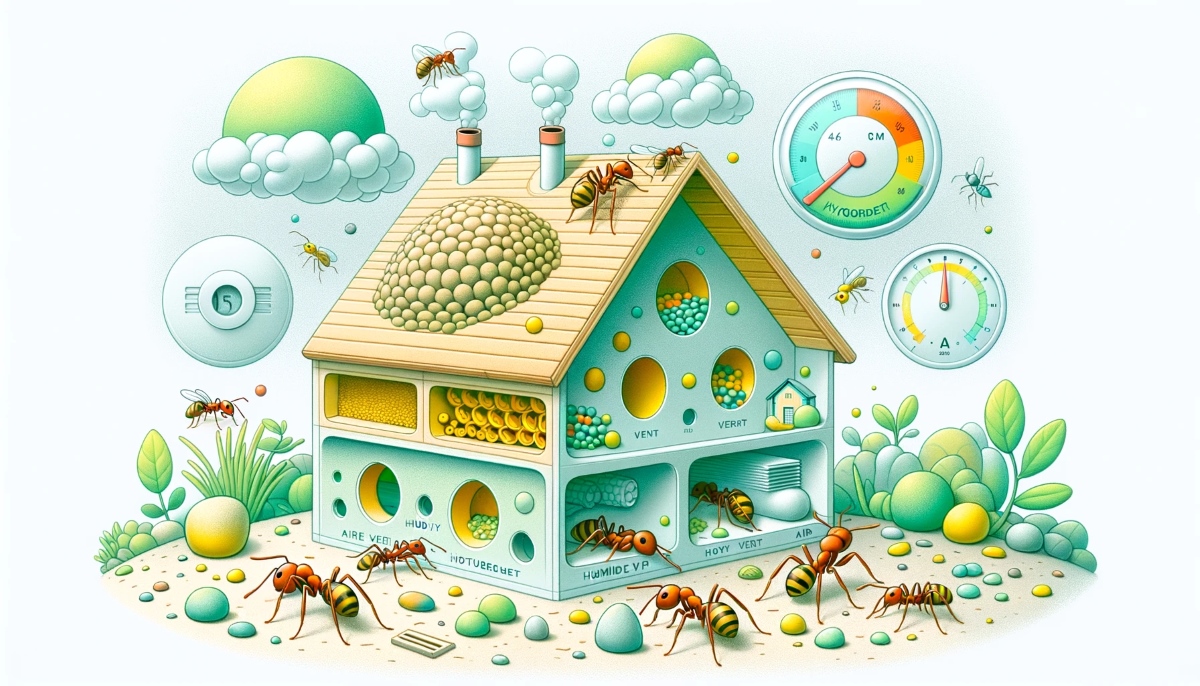
To maintain optimal humidity levels at home, you may need to use tools like humidifiers or dehumidifiers. An integrated system connected to your HVAC system might be beneficial for large homes or extreme climates. Regularly checking your home's humidity level with a hygrometer can also be helpful.
Remember that proper maintenance of your humidity control equipment is crucial. Filters should be cleaned or replaced regularly according to the manufacturer's instructions, and the equipment should be checked for proper operation periodically.
Feel free to contact us for any questions and suggestions.
Below, you can find items where we try to answer the most frequently asked questions from our users. Humidity control and air conditioning technologies are advancing every day and factors such as efficiency, environmental compatibility, and carbon footprint are becoming prominent.
- What is humidity control and why is it important?
- How does humidity control work in a residential environment?
- How does humidity control work in a professional or industrial environment?
- What are the benefits of using a humidity control system?
- How can I tell if the humidity control system is malfunctioning?
- How can a humidity control system be installed or repaired?
- What are the health implications of proper humidity control?
- What are the considerations for maintaining the optimal humidity level at home?
- How does humidity control affect energy consumption?
- What is the difference between automatic and manual humidity control?
- How does a lack of humidity control affect the comfort and quality of life?
- What technologies are used in humidity control systems?
- How does changing humidity control settings affect the environment within a building?
- What's the impact of humidity control in preserving artworks or other sensitive items?
- How can I assess and monitor the level of humidity in my environment?
- What are the best practices for managing humidity levels in different climates?
- How can I choose the right humidity control system for my needs?
- What brands and models of humidity control systems do you recommend?
- What are the environmental impacts of humidity control systems?
- Can a humidity control system help to prevent mold and mildew growth?
+ Humidity Control System main page
 -
-
Your shopping cart is empty!