
How is pressure set and controlled in hydraulic systems?
Hello dear colleagues,
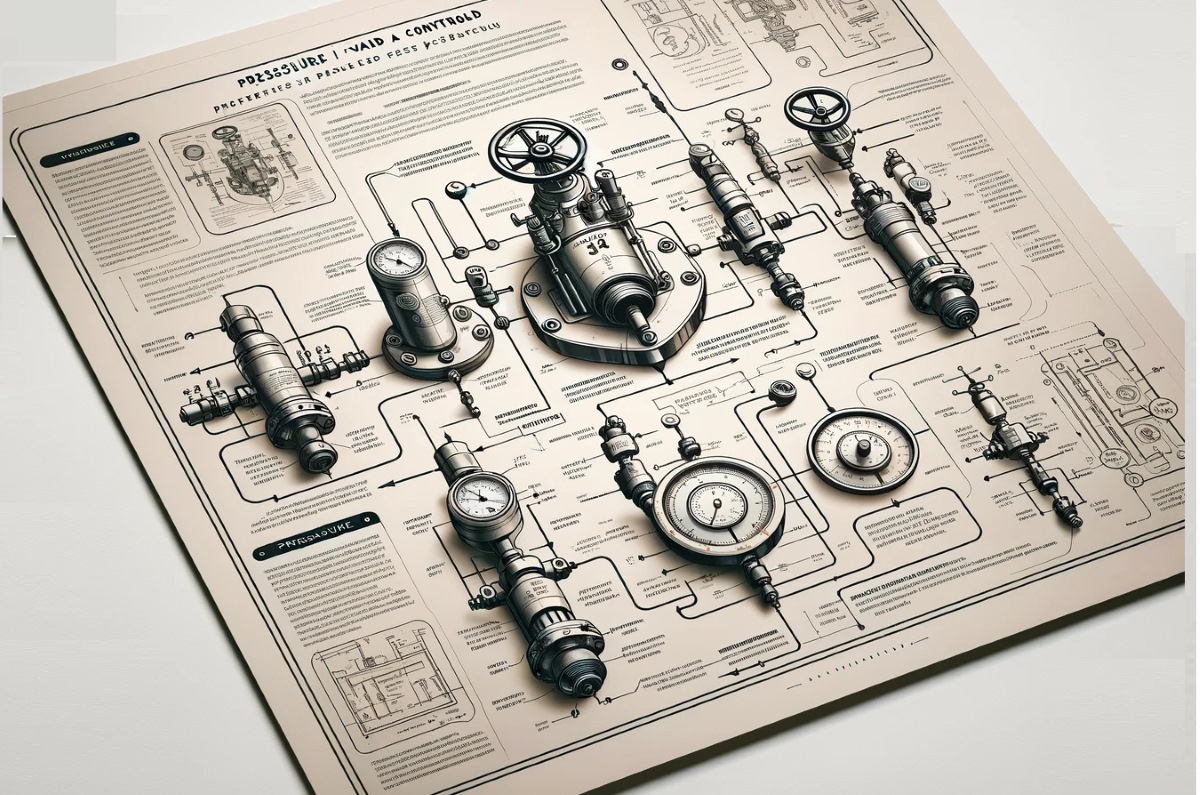
Pressure in a hydraulic system is set and controlled through the use of a combination of pumps, pressure relief valves, and pressure regulators. Here's a simplified explanation of each component:
Pumps: As mentioned before, a hydraulic pump doesn't generate pressure; it generates flow. The pump forces the hydraulic fluid to flow from a low-pressure reservoir to the higher-pressure areas of the system.
Pressure Relief Valves: Pressure relief valves are important safety features in hydraulic systems. They are designed to open and allow fluid to flow into the tank or reservoir when the fluid pressure exceeds a preset level, thus preventing pressure build-up that could damage the system or create a dangerous situation.
Pressure Regulators: While pressure relief valves are there to protect the system from pressure spikes, pressure regulators maintain a consistent pressure level in the system during normal operation. They work by adjusting the flow of fluid depending on the pressure in the system. If the pressure is too high, the regulator will open wider to allow more fluid to flow, reducing the pressure. If the pressure is too low, the regulator will restrict the flow, increasing the pressure.
The pressure in a hydraulic system is generally set according to the workload or force required for the task. This is typically done when the system is being designed and is adjusted as needed based on the application of the system. It's important to remember that excessive pressure can lead to system failure or damage, so pressure settings should always be according to the system's design limits.
Below, you can find the items where we try to answer the most frequently asked questions from our users. Hydraulic control technologies are advancing every day, and factors such as efficiency, environmental compatibility, and carbon footprint are becoming prominent.
- What is a hydraulic system and how does it work?
- What are the differences between hydraulic and pneumatic systems?
- In which types of industries and applications are hydraulic systems used?
- What are the main advantages and disadvantages of hydraulic systems?
- What kind of maintenance do hydraulic systems require?
- What types of fluids are used in hydraulic systems and why?
- How energy efficient are hydraulic systems?
- What are the environmental impacts of hydraulic systems?
- What is a hydraulic pump and how does it work?
- Are hydraulic systems safe? What safety measures should be taken?
- How is pressure set and controlled in hydraulic systems?
- What is a hydraulic cylinder and what is its function?
- What technological advancements could be expected in hydraulic systems in the future?
- What is a hydraulic brake system and how does it work?
- What is the potential for energy savings with hydraulic systems?
- What materials are hydraulic systems made of, and how does the choice of materials become important?
- How is fault detection done in hydraulic systems?
- How can pressure loss be prevented or minimized in hydraulic systems?
- How can hydraulic systems be made more efficient?
- What is the cost of hydraulic systems and what are the long-term costs of using them?
These questions generally cover many questions that might come to mind about Hydraulic control systems and sensors. Each user or student will have their own specific questions depending on a particular situation or application. The answers are not binding or definitive. "There is no problem in sharing our article above as a source. 03/2020"
Your shopping cart is empty!