
What versions of EtherCAT are available?
Hi everyone,
EtherCAT (Ethernet for Control Automation Technology) has evolved over time, leading to the development of different versions or enhancements to cater to the growing demands of industrial automation.
EtherCAT:
This is the original version of EtherCAT, which operates at a speed of 100 Mbit/s. It has been widely adopted in numerous applications due to its real-time capabilities, efficiency, and ease of use.
EtherCAT G:
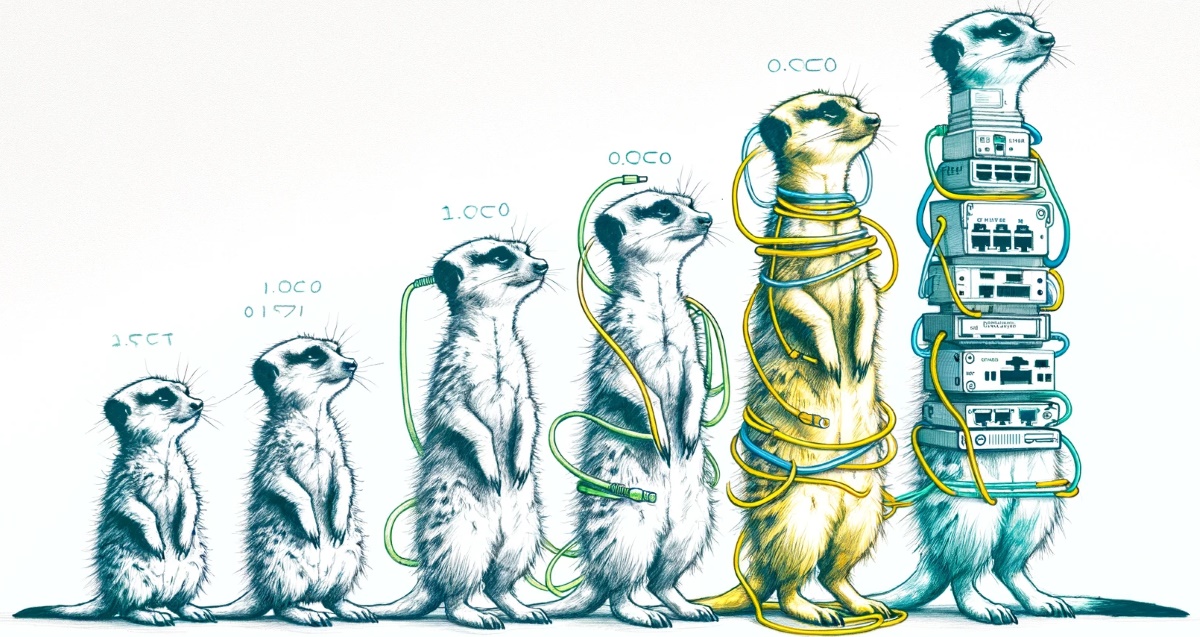
EtherCAT G is an advancement of the original EtherCAT technology, designed to provide even faster communication speeds. It operates at a data rate of 1 Gbit/s, which is ten times faster than standard EtherCAT.
This enhancement was introduced to cater to applications that demand even higher data throughput.
EtherCAT G10:
Going a step further, EtherCAT G10 offers a data rate of 10 Gbit/s, making it a hundred times faster than the original EtherCAT.
This version aims to meet the requirements of applications that require extremely high data volumes and speeds.
Safety over EtherCAT (FSoE):
While not a different version, FSoE (Functional Safety over EtherCAT) is a protocol enhancement that allows for safety-relevant communication over EtherCAT. It ensures that safety functions are carried out reliably in the event of certain faults or failures.
While these are the primary advancements in terms of speed and functionality, it's also worth noting that the EtherCAT protocol continually receives updates and extensions to cater to various application requirements. These might include new device profiles, communication features, or other enhancements.
The EtherCAT Technology Group (ETG) oversees the development and standardization of EtherCAT. For the most recent developments or newer versions, it's always a good idea to refer directly to the ETG or official EtherCAT documentation.
"Platforms established on an EthernetCAT foundation have become increasingly popular in many sectors of industry. This technology, which is both practical and offers time/place savings, has evolved and branched out over time and has been embedded in third-party platforms as well. Below, we have tried to answer some of the main questions we received from our valued visitors about EtherCAT."
- What is EtherCAT?
- What are the primary advantages of EtherCAT?
- How does EtherCAT work?
- Why is EtherCAT used in the field of industrial automation?
- What are the differences between EtherCAT and traditional Ethernet?
- How does EtherCAT handle real-time performance?
- What is the topology of EtherCAT?
- Which devices and sensors can be integrated with EtherCAT?
- How do EtherCAT Master and Slave devices communicate with each other?
- How is security ensured in EtherCAT?
- What are the differences between EtherCAT and other industrial Ethernet protocols (e.g., PROFINET, Ethernet/IP)?
- What are the technical specifications of EtherCAT?
- Which programming languages and tools can be used with EtherCAT?
- What is the latency time of EtherCAT?
- What are the future trends and evolution of EtherCAT?
- What is the licensing and cost structure of EtherCAT?
- What versions of EtherCAT are available?
- How can you detect and resolve an error in an EtherCAT network?
- How does EtherCAT comply with industry standards?
- What are the limits and constraints of EtherCAT?
+ Back to Automation main page
"Please note, these questions may only satisfy general curiosities about the EtherCAT protocol. Everyone or every student may have different questions specific to their context or application. Our answers are not definitive judgments, but merely serve as a guide. You are free to share our article by citing it as a source. If you have any questions, please fill out the form below." 08.2019
Your shopping cart is empty!